Introduction: The Great RAM Reckoning
The world of gaming RAM is in constant flux. With the advent of new CPU architectures like AMD’s Ryzen 7000/8000/9000 series and the AM5 platform, DDR5 memory has become the new standard. Yet, for many gamers, the question isn’t just about raw speed, but about value, upgrade paths, and whether their trusty AM4 rig still has fight left. In an era of evolving technology and fluctuating component prices, making the right RAM decision feels more critical than ever. We’ll cut through the noise, comparing the cutting-edge DDR5 landscape with the enduring value of DDR4 on AM4, and help you determine the ‘sweet spot’ for your next gaming upgrade.
The AM5 Advantage: Embracing DDR5 and the 6000 MT/s Sweet Spot
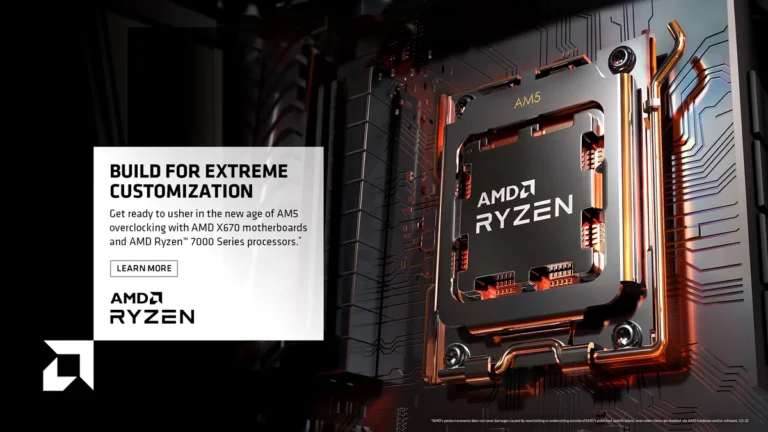
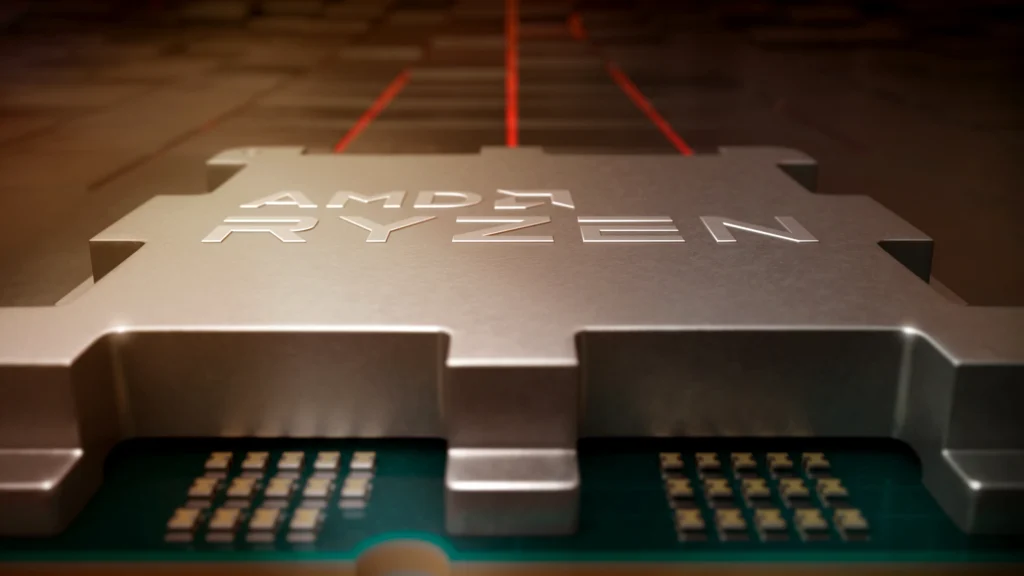
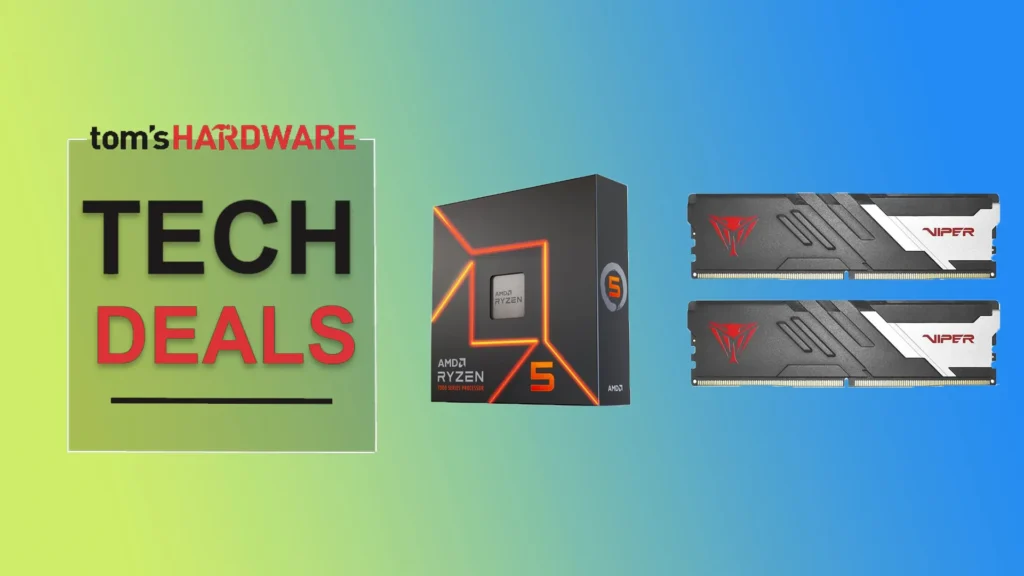
AMD’s AM5 platform, introduced with the Ryzen 7000 series in September 2022, marks a significant leap forward in PC architecture. Crucially, it exclusively supports DDR5 memory, leveraging its higher bandwidth and improved efficiency. For gamers looking to build or upgrade to the latest generation Ryzen CPUs (7000, 8000, and upcoming 9000 series), DDR5 is not just an option—it’s a requirement; there is no backward compatibility for DDR4 on AM5 motherboards. AMD has been clear on its recommendations, pinpointing a specific frequency as the optimal balance for performance and stability on the AM5 socket.
Optimal DDR5 for AM5 – LoadSyn’s Checklist
| Attribute | Recommendation | Why it Matters |
|---|---|---|
| Capacity | 32GB (2x16GB) | Baseline for modern AAA gaming and multitasking, offering ample headroom without being overkill. |
| Frequency | 6000 MT/s | AMD’s confirmed sweet spot for Ryzen 7000/8000/9000 series CPUs, balancing performance, stability, and cost. |
| Latency (CL) | CL30 – CL32 | Lower CAS Latency enhances real-world gaming performance, reducing the time delay between RAM instructions. |
| Profile | AMD EXPO (or XMP) | Enables easy, one-click overclocking to achieve advertised speeds and timings without manual BIOS tweaking. |
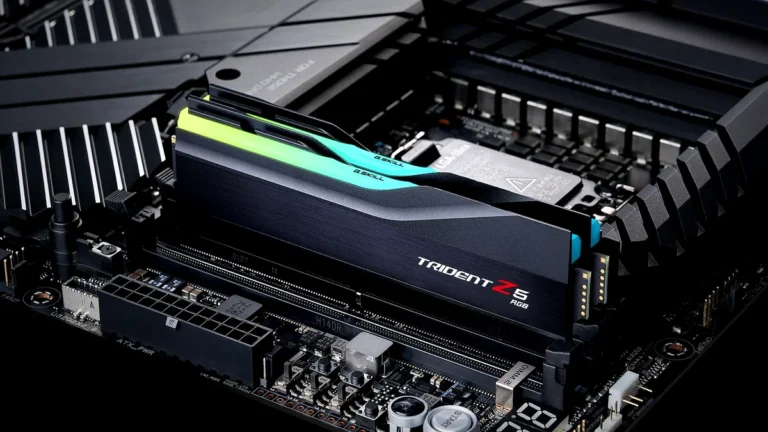
Achieving these optimal speeds and timings is made significantly easier by AMD’s EXPO (Extended Profiles for Overclocking) technology, or Intel’s XMP (Extreme Memory Profile) on compatible kits. These profiles are pre-configured settings embedded in the RAM modules themselves, allowing your motherboard to automatically apply the correct frequency, timings, and voltage with a single click in the BIOS. This eliminates the guesswork and manual tweaking often associated with memory overclocking, ensuring you get the performance you paid for without stability concerns. Always ensure your chosen DDR5 kit features an EXPO profile for the most seamless experience on an AMD AM5 system, as AMD offers EXPO technology to its memory partners without royalties, fostering wider adoption.
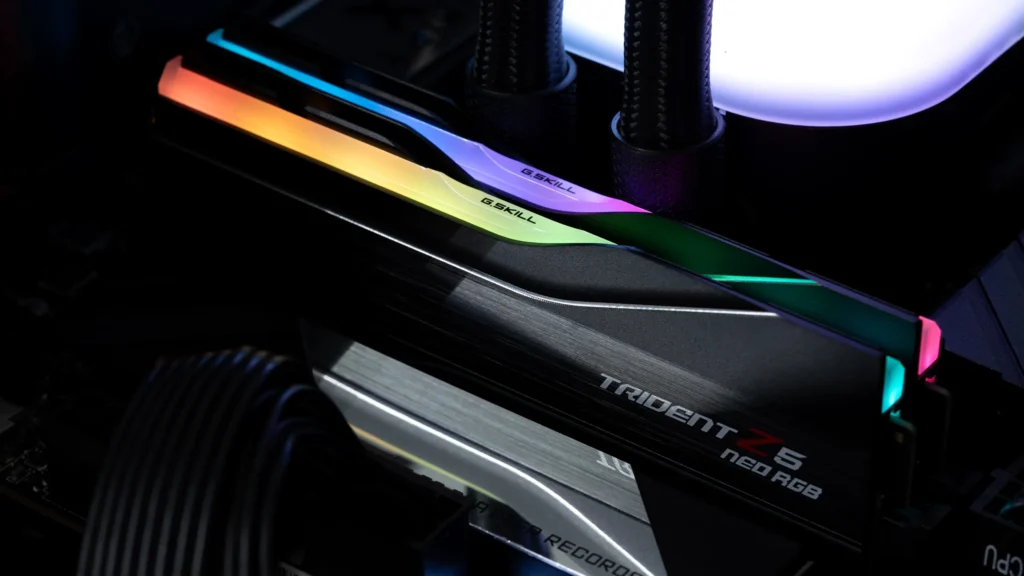
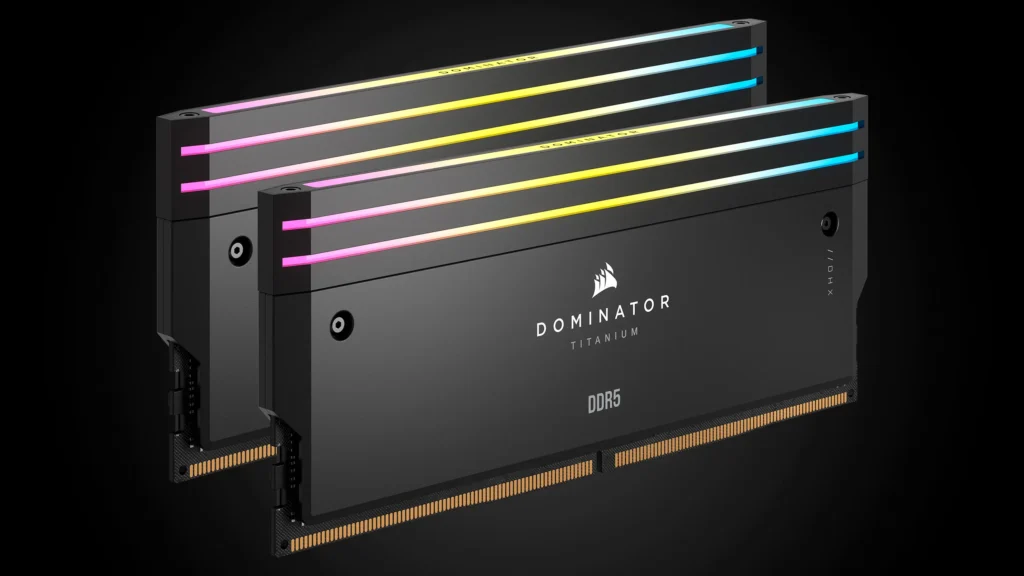
Top Picks: Recommended DDR5 Kits for Your AM5 Rig
The Enduring Legacy: Why AM4 Still Matters in 202X
While AM5 pushes the boundaries, the AM4 platform continues to be a powerhouse, defying expectations with its longevity. AMD’s commitment to supporting AM4 for nearly a decade, even releasing new Ryzen 5000 series CPUs in 2024, means that many existing users can still extract significant performance gains without a complete system overhaul. For those on a budget or simply looking to ‘ride out’ the current generation before a full rebuild, AM4 offers an incredibly compelling and cost-effective upgrade path, particularly with the Ryzen 7 5800X3D or newer 5700X3D which provide massive gaming uplifts. This strategic approach by AMD minimizes the burden on end-users, allowing them to upgrade a CPU without needing a new motherboard and RAM, fostering consumer loyalty and a robust ecosystem.
“This is exactly what I just did with my CPU. Upgraded to a R7 5800XT from a R5 3600, so that I wouldn’t have to buy a new motherboard and in turn new RAM. I’m hoping to ride out this AI craziness for several more years before a complete rebuild.”
Upgrade Dilemma: AM5/DDR5 vs. AM4/DDR4
AM5/DDR5 Advantages
- Future-proof platform with PCIe 5.0 and native DDR5 support.
- Higher raw performance potential, especially with Ryzen 7000/8000/9000 series.
- Access to newer technologies like Ryzen AI in 8000G series.
- Faster DDR5 speeds and lower latencies contribute to overall system responsiveness.
AM4/DDR4 Advantages (Longevity & Value)
- Significant upfront cost for new CPU, motherboard, and DDR5 RAM.
- DDR5 still commands a premium over DDR4, though prices are improving.
- AM4 offers excellent price-to-performance for many current games.
- Existing AM4 users can upgrade CPU (e.g., to a 5800X3D) without needing a new motherboard or RAM, saving significant cost.
- Proven stability and a vast, mature component ecosystem.
- Many modern AAA games still run perfectly fine on DDR4/AM4 setups, especially at higher resolutions where GPU is the primary bottleneck.
Beyond the Benchmarks: Capacity, Cost, and Aesthetics
While speed and latency often dominate discussions, practical considerations like capacity, current pricing, and even aesthetics play a crucial role in your RAM choice. The community pulse shows a clear concern over value and necessity. For the vast majority of gamers, 32GB (in a 2x16GB configuration) has become the de facto baseline, offering ample headroom for demanding games and background applications without venturing into the often unnecessary and expensive territory of 64GB or more. Pricing, as highlighted by the ‘Fandom Pulse,’ remains a point of contention, with many lamenting the days of cheaper memory. However, DDR5 prices are steadily decreasing, making the transition more palatable, and AMD is optimistic about continued improvements in supply and cost.
Your RAM Checklist: What to Consider Before Buying
- Capacity: 32GB (2x16GB) is the recommended sweet spot for most gamers; 16GB is a minimum for new builds, while 64GB is generally overkill for pure gaming.
- Frequency & Latency: For AM5, aim for DDR5-6000 with CL30-CL32. For AM4, DDR4-3600 with CL16-CL18 is typically the best balance.
- Platform Compatibility: Ensure your RAM is compatible with your CPU socket (AM5 for DDR5, AM4 for DDR4) and motherboard chipset.
- EXPO/XMP Profiles: Look for kits with these profiles for easy, stable one-click overclocking to achieve advertised speeds.
- Budget: Balance performance needs with current pricing; always consider sales, bundle deals, and the total cost of a platform upgrade (CPU + Mobo + RAM).
- Aesthetics: RGB lighting is a popular feature for many builds, but remember it has no impact on performance. Choose based on personal preference and build theme.
Frequently Asked Questions
Is 32GB RAM truly enough for modern gaming, or should I go for 64GB?
For 99% of modern gaming scenarios, 32GB (2x16GB) of RAM is more than sufficient. Even with demanding background applications, 32GB provides ample headroom. 64GB is generally overkill for pure gaming and offers diminishing returns, better suited for heavy content creation, virtualization, or specialized professional workloads.
Why are DDR5 RAM prices so high, and will they come down?
DDR5 prices initially carried a significant premium due to the novelty of the technology, increased component complexity (like on-board Power Management ICs), and initial supply chain challenges. While prices have improved significantly since launch, they still command a premium over DDR4. AMD and industry analysts are optimistic about continued price improvements and wider availability in the coming years.
What is the best RAM speed for my AMD Ryzen 7000/8000/9000 series CPU?
AMD has officially confirmed that DDR5-6000 MT/s is the ‘sweet spot’ for its Ryzen 7000, 8000, and upcoming 9000 series processors on the AM5 platform. This speed offers the best balance of performance, stability, and cost-effectiveness. For optimal results, pair it with low CAS Latency (CL30-CL32) where possible.
Can I use DDR4 RAM with my new AMD AM5 motherboard?
No, AMD’s AM5 platform (for Ryzen 7000 series and newer CPUs) exclusively supports DDR5 memory. There is no backward compatibility for DDR4 on AM5 motherboards. If you are building a new AM5 system, you must purchase DDR5 RAM. Conversely, AM4 motherboards only support DDR4.
Final Verdict
The choice between AM5/DDR5 and maintaining an AM4/DDR4 system isn’t a simple one-size-fits-all answer. For those building a new high-performance rig, especially with the latest Ryzen CPUs, DDR5-6000 MT/s on the AM5 platform represents the optimal path for future-proofing and maximizing performance. However, for existing AM4 users, a strategic CPU upgrade (like the 5800X3D) can deliver phenomenal gaming uplift, extending the life of their system for years to come without the substantial cost of a full platform migration. Ultimately, the ‘best’ RAM and platform choice is a personal one, balancing your budget, current hardware, and future gaming aspirations. By understanding the sweet spots, the trade-offs, and the community’s collective experience, you’re now equipped to make an informed decision that truly powers your game.