
The Great White Lie: Re-evaluating Retro Restoration
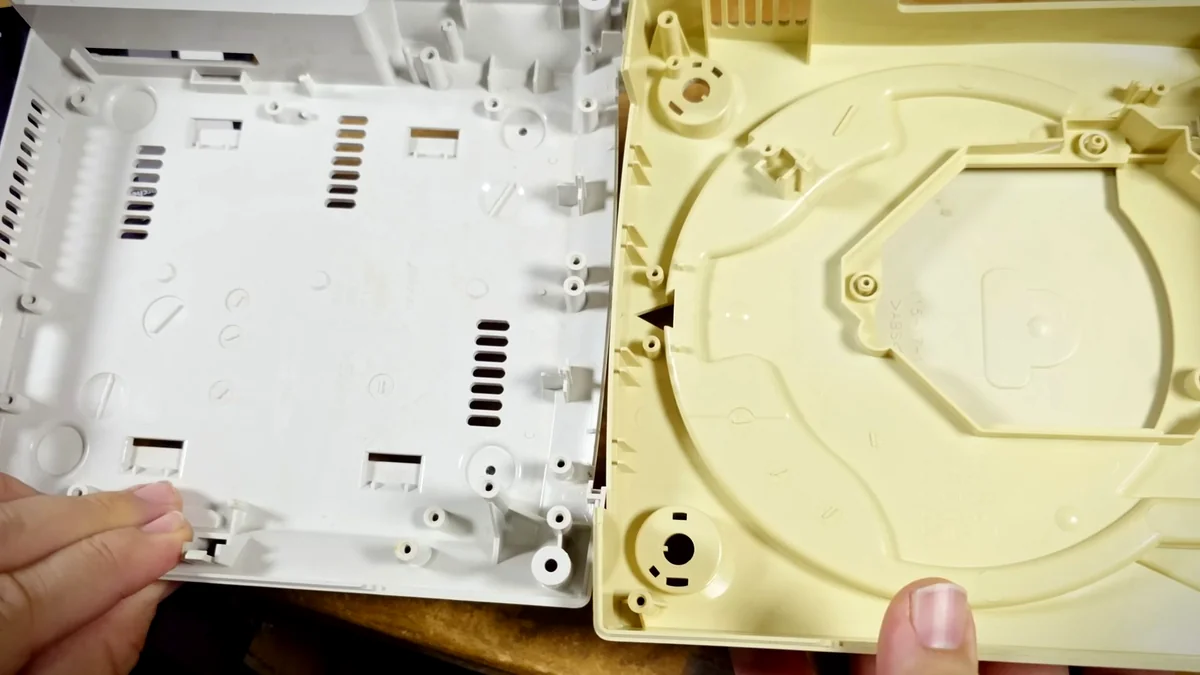
For over a decade, the retrocomputing community has sworn by ‘Retrobrighting’—a chemical process using hydrogen peroxide and UV light to return yellowed ABS plastic to its factory-fresh glory. But new evidence suggests we weren’t just cleaning our consoles; we were unknowingly accelerating their demise. What was once hailed as a miracle cure for ‘cheese-colored’ hardware is now being exposed as a destructive cosmetic treatment that leaves hardware more vulnerable than if it had been left to age naturally. As the polymers in our favorite vintage machines face the inevitable march of entropy, we must confront the reality that our attempts to stop time may have actually shortened the lifespan of the hardware we seek to save.
Key Insights
- Retrobrighting is temporary: Yellowing often returns even in total darkness.
- Permanent Damage: The process causes streaking, blotching, and increased brittleness.
- 10-Year Study Findings: Treated surfaces yellow more severely than untreated ones over time.
- Preservation Shift: The community is moving toward ‘Patina’ acceptance and physical UV shielding.
The Chemistry of a Slow-Motion Disaster
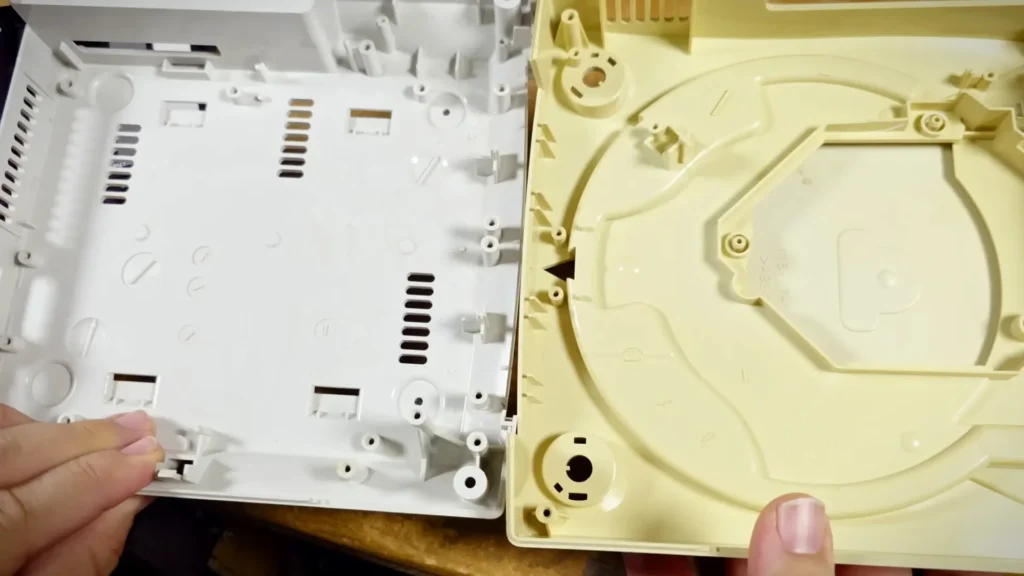
The yellowing we see on vintage NES, SNES, and Dreamcast consoles isn’t just dirt; it’s the result of brominated flame retardants reacting to UV light and heat. Retrobrighting works by using hydrogen peroxide to react with surface bromine, turning it back into colorless bromides. However, this is a surface-level fix. The internal reserves of bromine continue to migrate to the surface, especially if the plastic’s polymer chains have been weakened or ‘crazed’ by the chemical treatment itself. This migration is often accelerated by the very heat and light used to ‘cure’ the plastic during the initial treatment, creating a cycle of degradation that is impossible to stop once initiated.
Restoration vs. Reality: The 10-Year Outlook
| Metric | Untreated (Natural Aging) | Retrobrighted (H2O2 + UV) |
|---|---|---|
| Color Consistency | Uniform, gradual yellowing | Streaking, blotching, and ‘white blooms’ |
| Structural Integrity | Standard age-related brittleness | Accelerated brittleness and surface crazing |
| Long-term Stability | Predictable degradation | Rapid re-yellowing (often worse than original) |
| Maintenance | None required | Requires re-treatment every 2-3 years |
The Community Paradigm Shift: Embracing the Patina
“I suspected doing that treatment on the plastic must have negative effects of some sort… I wasn’t expecting it to make the yellowing worst instead.”
— Community Reaction, Fandom Pulse
The Preservationist’s Dilemma
Recommended (Preservation)
- Accepting the ‘Patina’ as a mark of authenticity
- Applying UV-resistant films or clear coats
- Climate-controlled storage (darkness and stable temps)
- 3D printing replacement shells for daily use
Avoid (Degradation Risk)
- Hydrogen Peroxide treatments (High risk of streaks)
- Ozone treatments (Negligible long-term results)
- Abrasive sanding (Destroys original texture)
- Direct sunlight exposure
Final Verdict
The verdict is clear: Entropy wins. Retrobrighting is a cosmetic gamble that the plastic eventually loses. If you value the longevity of your collection, the best course of action is to stop the chemicals, embrace the natural aging of the ABS, and focus on environmental protection rather than chemical reversal. By shifting our focus from aesthetic perfection to structural preservation, we ensure these icons of gaming history survive for the next generation. Your Dreamcast will thank you in 2035.