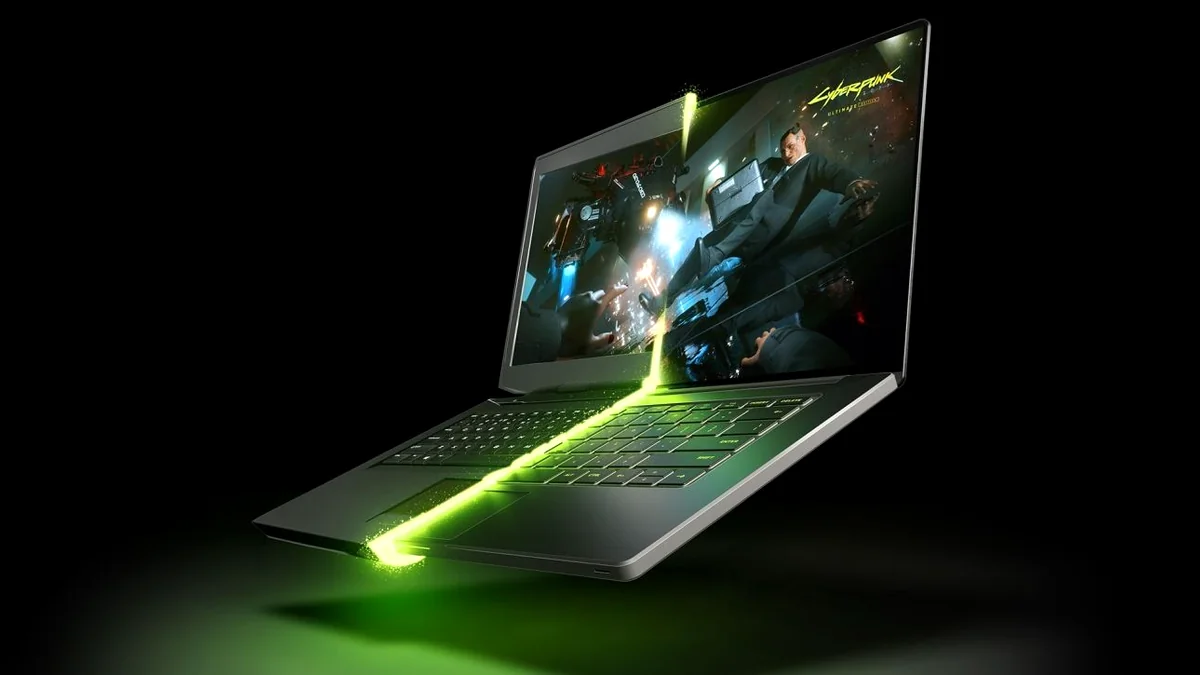

The gaming laptop market is a battleground of performance and value, with manufacturers constantly seeking the sweet spot that delivers cutting-edge experiences without an exorbitant price tag. Into this arena steps the XMG Focus 17 M25, a new contender that immediately grabs attention with a compelling proposition: pairing NVIDIA’s powerful GeForce RTX 5070 Ti laptop GPU with Intel’s battle-tested 13th and 14th generation HX processors. This strategic combination aims to deliver high-octane gaming performance at a notably competitive price point, often under €2,000. But as always with such calculated hardware mixes, the critical question for enthusiasts is whether this balance truly translates into enduring value and a worthwhile investment. LoadSyn’s benchmark lab has rigorously tested the Focus 17 M25 to provide the empirical data needed for an informed decision, examining if this machine successfully navigates the tension between immediate performance gains and sustained long-term value.
At a Glance: The XMG Focus 17 M25 Essentials
- Targeted Value: Brings the RTX 5070 Ti to a sub-€2,000 price point by utilizing mature Intel Raptor Lake (13th/14th gen HX) CPUs.
- Solid Gaming Performance: Delivers excellent QHD gaming experiences, often matching or exceeding the RTX 4080 in rasterization, with strong ray tracing capabilities enhanced by DLSS 4 with Multi Frame Generation.
- High-Quality Display: Features a 17.3-inch 1440p IPS panel with 240Hz refresh rate, 100% DCI-P3 coverage, and a MUX switch for optimal gaming visuals.
- Upgrade-Friendly Design: Offers two PCIe 4.0 M.2 SSD slots and dual SO-DIMM slots supporting up to 96GB DDR5 RAM, emphasizing long-term user maintenance.
- Power & Thermal Nuances: Maintains reasonable surface temperatures, but its 230W power adapter may be insufficient for peak loads, indicating potential battery drain during intense gaming. Gaming noise levels can be high, recommending headphones.
- Community Concerns: Faces skepticism regarding the 8GB VRAM for future high-fidelity/ray tracing titles and general long-term reliability/repairability concerns, despite the aggressive pricing.
XMG’s Calculated Move: Next-Gen GPU, Last-Gen CPU
XMG’s strategy with the Focus 17 M25 is a textbook example of how to deliver compelling performance within a competitive budget. They’ve opted to pair the brand-new NVIDIA GeForce RTX 5070 Ti laptop GPU with Intel’s 13th and 14th generation Core i9-13900HX/14900HX processors, both based on the mature Raptor Lake architecture. This choice is not arbitrary; by leveraging the proven, cost-effective performance of these previous-generation CPUs, XMG can offer the next-gen RTX 5070 Ti at a price point under €2,000. This makes the Focus 17 M25 an incredibly attractive mid-range option, especially for gamers who prioritize raw graphical horsepower for their dollar. The RTX 5070 Ti itself is a formidable GPU, featuring NVIDIA’s latest Blackwell architecture innovations, including DLSS 4 with Multi Frame Generation. This advanced neural rendering technology significantly boosts frame rates and image quality, making high refresh rate gaming incredibly fluid and visually stunning. The balance struck here is clear: maximize GPU performance with cutting-edge features while strategically controlling CPU costs to maintain an aggressive price, a move that directly addresses the core tension between immediate performance and overall value.
XMG Focus 17 M25: Core Specifications
Performance Unpacked: Gaming, CPU, and Storage
GPU Gaming: RTX 5070 Ti’s QHD Prowess
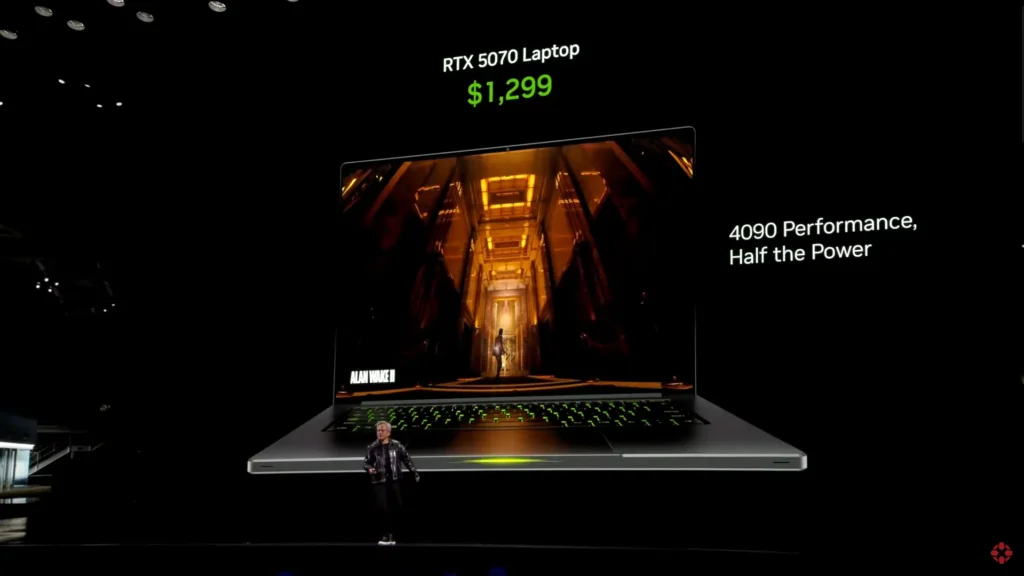
At the heart of the XMG Focus 17 M25’s appeal is its NVIDIA GeForce RTX 5070 Ti laptop GPU. Our testing confirms its robust gaming capabilities, particularly at QHD (2560×1440) resolution, where it consistently delivers high frame rates across a diverse range of titles. This mid-grade GPU often surprises by rivaling or even slightly surpassing the rasterized performance of the previous generation’s RTX 4080, offering a significant uplift for its price class. The inclusion of NVIDIA’s DLSS 4 with Multi Frame Generation is a game-changer, intelligently boosting frame rates and enhancing image quality. This technology is crucial for achieving smooth, high-refresh-rate gaming, even in demanding scenarios. For instance, in Cyberpunk 2077 at QHD Ultra, the Focus 17 M25 achieved an average of 81 FPS, making the dystopian cityscape fluid and immersive. Baldur's Gate 3 saw an impressive 108.6 FPS, ensuring a seamless tactical RPG experience. Even newer, resource-intensive titles like F1 24 and Assassin's Creed Shadows maintained playable frame rates at QHD Ultra High, with 66.4 FPS and 47 FPS respectively.
Gaming Performance: Average FPS at QHD (2560×1440) Ultra Settings
CPU & System: The Raptor Lake Foundation
While the NVIDIA RTX 5070 Ti handles the visual heavy lifting, the Intel Core i9-13900HX processor forms the robust computing backbone of the XMG Focus 17 M25. Although not the absolute latest generation, this Raptor Lake chip continues to deliver exceptionally strong performance, proving its viability for both demanding gaming loads and intensive productivity tasks. In synthetic benchmarks, the i9-13900HX in the Focus 17 M25 scored a respectable 7560 points in PCMark 10, highlighting its solid all-around system performance. Memory bandwidth, a critical factor for overall system responsiveness, also impresses; AIDA64 benchmarks show memory copy speeds of 79193 MB/s, read speeds of 87098 MB/s, and write speeds of 73557 MB/s.
CPU & Memory Benchmarks
Rapid Storage: Dual NVMe SSDs
A high-performance gaming laptop demands equally fast storage, and the XMG Focus 17 M25 delivers with two M.2 2280 SSD slots, both supporting PCIe 4.0 x4 speeds. XMG thoughtfully includes heat pads for both SSD slots, a crucial detail that helps maintain optimal drive performance and longevity. Our review unit, equipped with a Kingston Fury Renegade 500GB SSD, demonstrated sequential read speeds of 7103 MB/s and write speeds of 3933 MB/s.
Storage Performance: Kingston Fury Renegade
Immersive Display & Modern Connectivity
The XMG Focus 17 M25 features a spacious 17.3-inch 16:9 IPS panel with a sharp QHD (2560×1440) resolution and an ultra-smooth 240 Hz refresh rate. Beyond speed, the panel boasts impressive color accuracy, covering 100% of both the sRGB and DCI-P3 color spaces, and achieves a typical brightness of 300 nits. For optimal GPU performance, a MUX switch is included, allowing users to bypass the integrated graphics. Notably, the absence of Thunderbolt 4 ports is a deliberate cost-saving measure, which allows XMG to maintain its aggressive pricing strategy.

Thermals, Acoustics, and Power Management
During light use, the dual-fan cooling system operates with commendable discretion. However, when subjected to heavy gaming loads, the fans become quite assertive, peaking at a noticeable 56.2 dB(A). Surface temperatures remain well-controlled; the keyboard area stays comfortably cool even during intense gaming sessions. Power management presents an interesting nuance: the laptop is supplied with a 230-watt power adapter, which during stress tests we observed spiking to 290 watts, settling at around 245 watts.
Noise & Temps (Gaming Load)
Beyond Benchmarks: Community Concerns & Long-Term Value
While raw performance figures from our lab paint a clear picture of the XMG Focus 17 M25’s immediate capabilities, it’s crucial to acknowledge the undercurrent of community sentiment. There’s a palpable apprehension among users regarding long-term reliability and repairability. Past experiences with various brands, including instances of adhesive failure or coating peeling on palm rests, have fostered a cautious approach.
“I’m so afraid of buying another Asus laptop… at one year after moderate usage, the bottom of the screen starts to come apart. Adhesive was loosen up and the bottom of the screen just came right off.”
VRAM Warning: Future-Proofing for Next-Gen Graphics
While the RTX 5070 Ti delivers strong QHD performance today, its 12GB VRAM raises concerns for future titles, especially with heavy ray tracing. Gamers aiming for longevity in their purchase should carefully consider if this VRAM ceiling will meet their needs beyond the immediate future.
The Competitive Landscape: Alternatives & Pricing
| Feature | XMG Focus 17 M25 | MSI Vector 17 HX | Lenovo Legion 5 Pro |
|---|---|---|---|
| GPU | RTX 5070 Ti | RTX 5080 | RTX 5070 Ti |
| CPU | i9-13900HX/14900HX | Ultra 9 275HX | Ultra 9 275HX |
| VRAM | 12 GB GDDR7 | 16 GB GDDR7 | 12 GB GDDR7 |
| Price | €1,849 | €3,499 | €2,500 |
The LoadSyn Final Verdict
Pros
- Excellent QHD performance matching RTX 4080
- Aggressive sub-€2,000 pricing
- High-quality 240Hz DCI-P3 display
- Superior upgradability (Dual SSD/RAM)
Cons
- Under-spec 230W power adapter
- High fan noise (56.2 dB(A))
- Lack of Thunderbolt 4
- 12GB VRAM future-proofing concerns
Final Verdict: The XMG Focus 17 M25 is a strong contender for the budget-conscious enthusiast who prioritizes raw gaming frames and a great display. While it has minor drawbacks like fan noise and VRAM limits, it offers incredible immediate value in the current gaming landscape.
Frequently Asked Questions
What are the main advantages of the CPU/GPU combo?
It allows for high-end RTX 5070 Ti gaming performance at a lower price point by using mature but powerful Intel 13th/14th gen processors.
Is 12GB VRAM enough for the future?
It is sufficient for current QHD gaming, but may require settings adjustments in 1-2 years for extremely demanding ray-traced titles.