
The Cost of Power: Navigating AMD’s Shifting CPU Landscape
For years, AMD has been a champion for value in the PC gaming space, consistently offering competitive performance without necessitating a second mortgage. But as we step further into 2024, the landscape is undeniably shifting. With a flurry of new CPU launches and persistent inflation impacting component prices across the board, gamers are confronting an uncomfortable truth: building or upgrading a powerful PC is becoming an increasingly expensive endeavor. This article delves into AMD’s latest strategies for both its cutting-edge AM5 platform and the venerable AM4, meticulously examining how these rising costs are reshaping purchasing decisions and what this means for the strategic planning of your next gaming rig.

AM5’s AI Future: The Ryzen 8000G Series Arrives
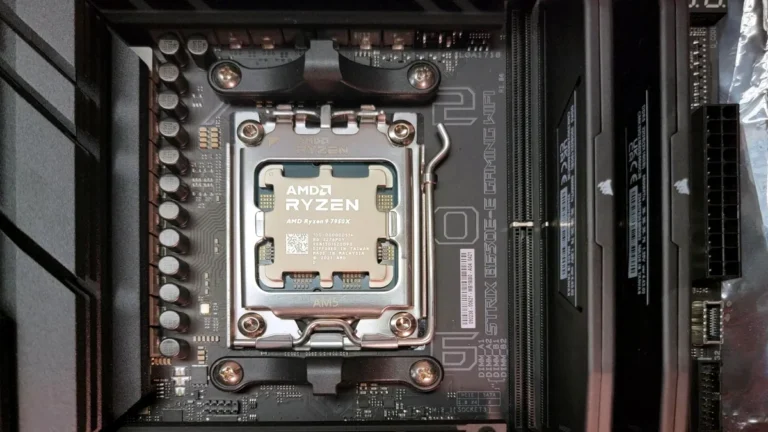
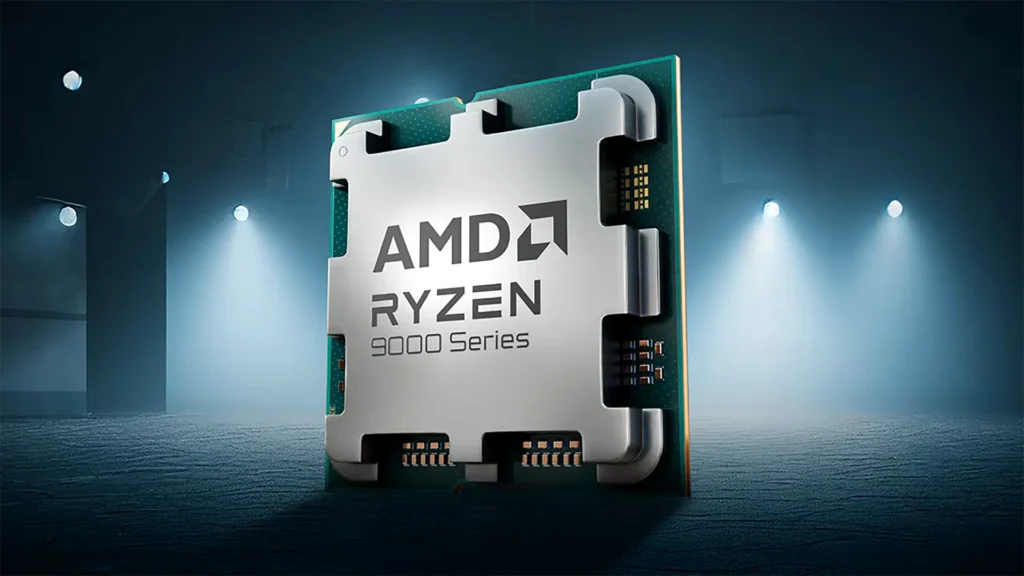
AMD’s commitment to the AM5 platform continues its forward march with the introduction of the Ryzen 8000G Series processors, announced ahead of CES 2024. These ‘Zen 4’ chips are meticulously designed as all-in-one desktop solutions, boasting powerful integrated Radeon graphics – notably the Radeon 780M in the flagship Ryzen 7 8700G – and, for the first time ever on a desktop PC processor, dedicated Ryzen AI NPUs in select models like the Ryzen 7 8700G and Ryzen 5 8600G. Positioned to deliver a smooth 1080p gaming experience right out-of-the-box and to enable the burgeoning ‘AI PC’ era, these processors represent AMD’s vision for the future, offering cutting-edge features and a clear upgrade path for those ready to embrace DDR5 memory and PCIe 5.0.
AM4’s Resurgence: The Ryzen 5000 Series Gets a Boost
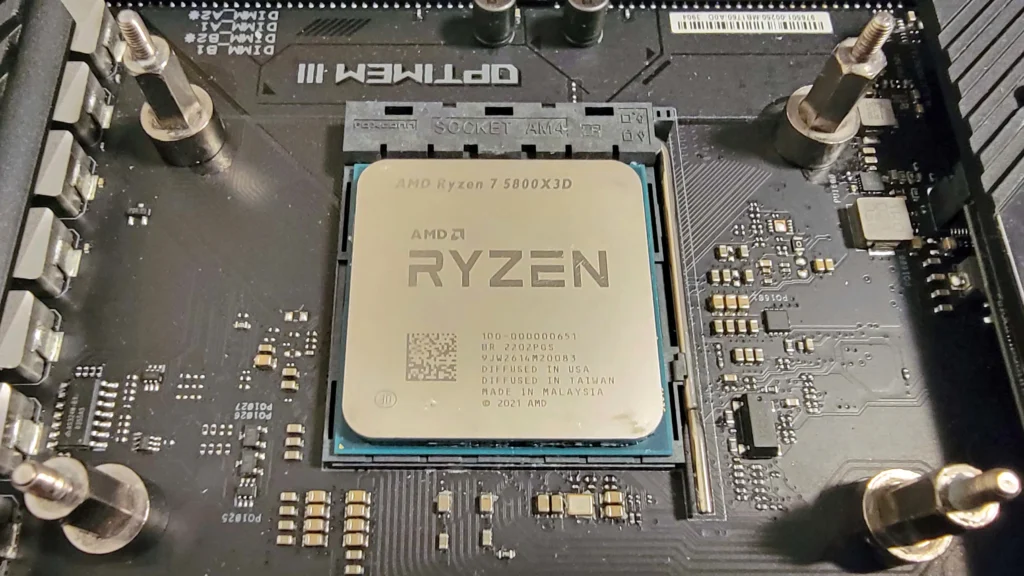
Perhaps more surprising, and certainly more impactful for budget-conscious gamers, is AMD’s strategic decision to significantly extend the life of its long-running AM4 platform, which debuted back in 2017. Headlining this refresh is the Ryzen 7 5700X3D, an 8-core, 16-thread CPU leveraging AMD’s game-boosting 3D V-Cache technology to achieve an astonishing 100MB of on-chip memory. Essentially a slightly down-clocked version of the acclaimed 5800X3D, this chip offers phenomenal gaming performance at a remarkably more accessible price point, providing an excellent upgrade path for millions of existing AM4 users. Alongside it, new ‘GT’ APUs like the Ryzen 5 5600GT and 5500GT offer integrated Radeon graphics for entry-level builds, further solidifying AM4’s position as a consistent value champion.
The Gamer’s Wallet: A Growing Concern
While the introduction of new CPUs is always exciting for enthusiasts, the broader economic climate for PC hardware is casting a long, often discouraging, shadow. Beyond just processors, the prices of essential components like DDR5 RAM and high-speed NVMe SSDs have been steadily climbing, often with unpredictable spikes. This ‘rising tide’ of component costs means that even if a new CPU seems reasonably priced on its own, the total cost of a new platform or a complete system build can quickly become prohibitive, especially for gamers operating on a strict budget. The dream of a cutting-edge AM5 system is increasingly out of reach for many, transforming it from an aspirational upgrade into a luxury item.
DDR5/4 prices have been rising like crazy since the end of September. Unless the AI bubble bursts soon, ordinary consumers might just be priced out of computer components entirely by next year…
The DDR5 Dilemma
The steep and often unpredictable price increases of DDR5 RAM are arguably the biggest bottleneck for new AM5 system builders, frequently adding hundreds of dollars to the total platform cost compared to the more stable and affordable DDR4 ecosystem. This significantly widens the financial gap between upgrading and building new.
Fandom Pulse: Contentment, Frustration, and the AM4 Lifeline
The gaming community’s reaction to these significant market shifts is a complex blend of contentment and growing frustration. Many who astutely invested in AM4 X3D chips years ago find themselves surprisingly well-positioned, their systems still delivering stellar gaming performance that rivals much newer, more expensive hardware. They express a palpable sense of relief, delaying expensive platform upgrades with confidence. However, for those looking to build new or make the ambitious jump to AM5, there’s a palpable sense of alarm and resignation regarding the escalating costs, turning excitement into apprehension.
Riding with my 5800x3d until it becomes 2d
Due to the R7 5700x3d not in production anymore, the price was raised from 210euros to 360euros where i live lol.
The AM4 Advantage: Value, Longevity, and Smart Upgrades
For existing AM4 users, the new Ryzen 5000 series chips, particularly the Ryzen 7 5700X3D, offer an unparalleled value proposition. This ‘drop-in’ upgrade path means users can achieve significant performance boosts without the prohibitive need for a new motherboard or expensive DDR5 RAM. It effectively extends the lifespan of an entire system for a mere fraction of the cost of a new AM5 build, maximizing gaming performance on a budget. Such a strategic upgrade ensures that gamers can remain competitive without succumbing to the escalating prices of the latest platforms.
AM4 Platform: Pros & Cons in 2024
Pros
- Cost-effective upgrade path for existing users.
- Mature, stable, and affordable motherboard ecosystem (DDR4).
- Ryzen 7 5700X3D offers excellent gaming performance.
- Extends system lifespan without full rebuild costs.
Cons
- Limited to DDR4 memory, no future DDR5 upgrades.
- No support for PCIe 5.0 (GPU/NVMe).
- End-of-life platform, no new generations of CPUs.
- Diminishing selection of new, quality motherboards for fresh builds.
AM5: The Future of Ryzen, Hindered by Today’s Prices
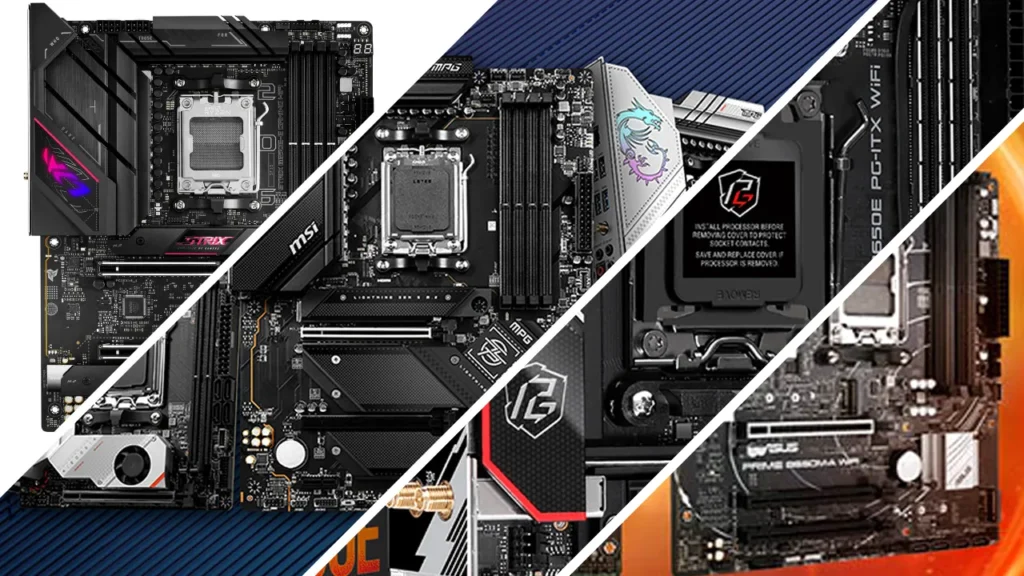
The AM5 platform, with its native support for DDR5, PCIe 5.0, and a clear roadmap for future Zen architectures, is undoubtedly where AMD’s innovation is heading. It promises superior long-term upgradeability and access to the fastest memory and storage technologies available. However, the current cost of entry – driven predominantly by expensive DDR5 RAM and premium AM5 motherboards – remains a significant barrier for many would-be adopters. While the new Ryzen 8000G series attempts to offer a more integrated, potentially cost-saving solution for new builders, the overall platform still demands a substantial investment that can be difficult to justify for the average gamer.
Platform Cost Comparison: AM4 Upgrade vs. Entry AM5 Build (Estimated)
| Component | AM4 Upgrade (Existing User) | Entry AM5 New Build |
|---|---|---|
| CPU | Ryzen 7 5700X3D ($249) | Ryzen 5 7600 ($229) |
| Motherboard | Existing B450/B550 (Free) | B650 ($180 – $250) |
| RAM | Existing DDR4 (Free) | DDR5 32GB ($100 – $150) |
| Total Platform Cost | ~$249 | ~$509 – $629 |
Navigating the New Normal: Strategic Choices for PC Gamers
The current market for AMD CPUs and PC components presents a complex challenge for gamers, demanding a strategic re-evaluation of value. While AM5 undeniably offers the latest technology and a clear path to future innovation, its high cost of entry, largely driven by unpredictable DDR5 prices, makes it an increasingly luxurious endeavor for many. Conversely, the refreshed AM4 platform, spearheaded by the potent Ryzen 7 5700X3D, stands out as an incredibly compelling value proposition, especially for existing users looking to extend their system’s life with a significant performance boost. Ultimately, the optimal choice largely depends on your current setup, available budget, and your individual appetite for future-proofing versus securing immediate, tangible gaming value.
Key Takeaways
- AMD’s Dual Strategy: AMD is refreshing both its cutting-edge AM5 platform (with the 8000G series featuring AI NPUs) and its enduring AM4 platform (with the 5000 series, including the 5700X3D).
- AM4’s Enduring Value: The Ryzen 7 5700X3D offers a highly cost-effective, high-performance upgrade for existing AM4 users, extending system lifespan.
- AM5’s Cost Barrier: New AM5 builds are significantly more expensive due to rising DDR5 RAM and premium motherboard prices, making them less accessible.
- Community Frustration: Gamers are content with the longevity and value of their AM4 X3D setups but are increasingly alarmed and frustrated by the escalating costs of new hardware.
- Strategic Choice: For budget-conscious gamers, upgrading an existing AM4 system is often the most financially sound decision for achieving excellent gaming performance in 2024, offering superior cost-per-frame.