

The State of Play: Why Your Next PC Build Feels Impossible
The dream of a new, high-performance gaming PC is facing an unprecedented reality check in 2026. From skyrocketing RAM prices that now rival GPUs to persistent supply chain woes, the once-straightforward path to a custom build has become a minefield of budget compromises and disheartening sticker shock. But what if there’s another way to achieve your gaming aspirations without breaking the bank or waiting years for market corrections? This guide will navigate the complex currents of the current hardware market, revealing how strategic buying – particularly in the often-overlooked used sector – combined with a keen understanding of industry shifts like AMD’s new GPU strategy, can still lead you to a formidable gaming rig.
Behind the Price Tags: GPU Shortages, RAM Hikes, and a Shifting Industry
- Unprecedented AI Demand: The insatiable appetite for GPUs in data centers is diverting manufacturing capacity from consumer gaming hardware, creating scarcity and driving up prices.
- The Memory Crisis: Global supply shortages in DRAM are causing significant price hikes for both DDR4 and DDR5 RAM, impacting overall system build costs.
- Supply Chain Disruptions: Lingering geopolitical tensions and manufacturing bottlenecks continue to strain the availability of various components.
- Strategic Production Shifts: Major manufacturers like NVIDIA and AMD are re-evaluating their consumer market focus, further influencing product availability and pricing strategies.
IDC expects that the PC market will be far different in 12 months given how quickly the memory situation is evolving. ‘Beyond the obvious pressure on prices of systems, already announced by certain manufacturers, we might also see PC memory specifications be lowered on average to preserve memory inventory on hand. The year ahead is shaping up to be extremely volatile.’ — Jean Philippe Bouchard, IDC
The era of bargain-priced PCs and tablets is behind us for now, as rising ASPs and component costs shift the market’s balance of power. Memory shortages will persist well into 2027. — Jitesh Ubrani, IDC
AMD’s Strategic Retreat: Deprioritizing Flagship GPUs and the Hunt for Market Share
In a significant move that reshapes the future GPU landscape, AMD has publicly confirmed its RDNA 4 graphics architecture will not target the ultra-high-end enthusiast segment. Instead, the company is pivoting to prioritize market share growth in the mainstream and performance segments, aiming to win on price-performance. This strategy, articulated by AMD’s Jack Huynh, emphasizes building a broader user base to attract more game developers, rather than chasing Nvidia’s ‘King of the Hill’ with low-volume halo products.

“I’m an 80% kind of guy because I don’t want AMD to be the company that only people who can afford Porsches and Ferraris can buy. We want to build gaming systems for millions of users.” — Jack Huynh, AMD Senior Vice President.
AMD’s RDNA 4 Strategy: Implications for Gamers
- More Accessible Mid-Range GPUs
- Increased Market Share (Better Optimization)
- Unified Architecture Benefits (CDNA + RDNA)
- Value Leadership Priority
Potential Challenges
- Less High-End Competition for Nvidia
- Delayed Flagship Ambitions (Wait for RDNA 5)
- Nvidia’s Dominance Solidified in Enthusiast Space
Bypassing the Hype: Why the Used PC Parts Market is Your Best Bet
With new hardware prices reaching unprecedented levels, the secondary market has emerged as a crucial battleground for value-conscious PC gamers. The days of dismissing used parts are over; for many, it’s the most pragmatic path to building or upgrading a powerful rig without succumbing to the ‘new normal’ of inflated costs.
Advantages of the Used Market
- Significant Cost Savings: Purchase previous-gen hardware at a fraction of retail prices.
- Access to ‘Dead’ Platforms: Build high-value systems on platforms like AM4.
- Circumvent Supply Shortages: Find stock that retailers don’t have.
- Reduced Depreciation Impact: Better value retention for your investment.
Component by Component: Navigating the Used Hardware Landscape
RAM: DDR4 vs. DDR5 & The Memory Crisis
The ‘memory crisis’ is real, with DDR5 prices soaring. While DDR5 offers higher bandwidth, DDR4 remains highly relevant, especially for platforms like AM4. The key is to understand the performance differences and target specific value points.
| Feature | DDR4 (e.g., 3200 CL16) | DDR5 (e.g., 6000 CL30) |
|---|---|---|
| Typical Speed (MT/s) | 3200-4000 | 4800-6400+ |
| Latency (ns) | ~10-12 | ~10 (Higher abs latency) |
| Bandwidth (GB/s) | ~51.2 | ~96 |
| Used Market Value | Excellent | Good |
Tips for Buying Used RAM
- RAM has a very low failure rate; it’s a low-risk used buy.
- Use platforms like eBay with strong buyer protection.
- Verify speed and latency specs match the listing.
Graphics Cards: Finding Value in Previous Gens
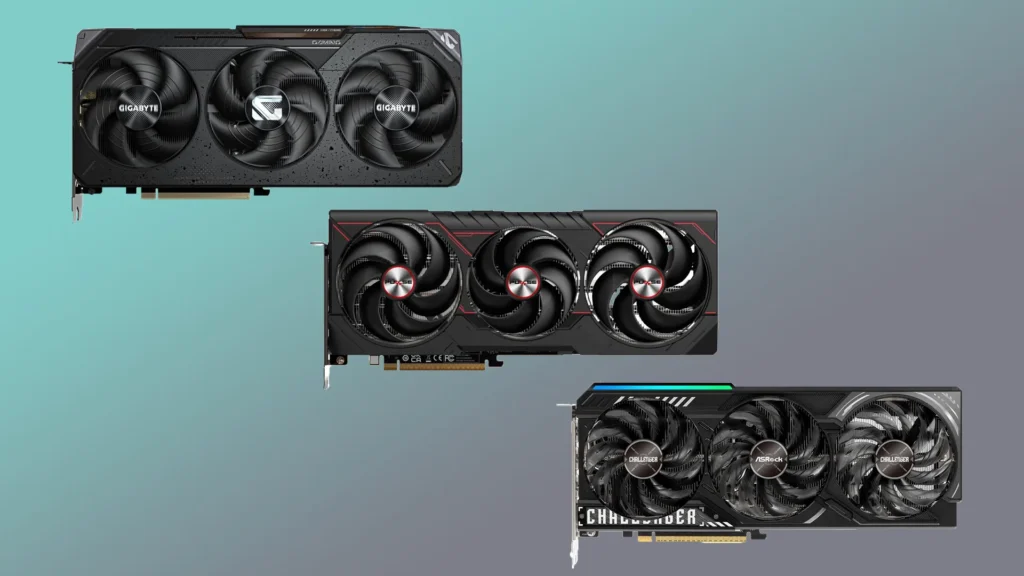
The GPU market is the most impacted by the ‘Great Hardware Heist.’ This makes the used market for previous-generation GPUs the smartest play for high performance without the exorbitant price tag.
| Metric | Nvidia RTX 4060 | AMD RX 7600 |
|---|---|---|
| Launch Price | $299 | $269 |
| TDP (Watts) | 115W | 165W |
| 1080p Avg FPS | 127 | 141 |
| Ray Tracing | Stronger | Lags |
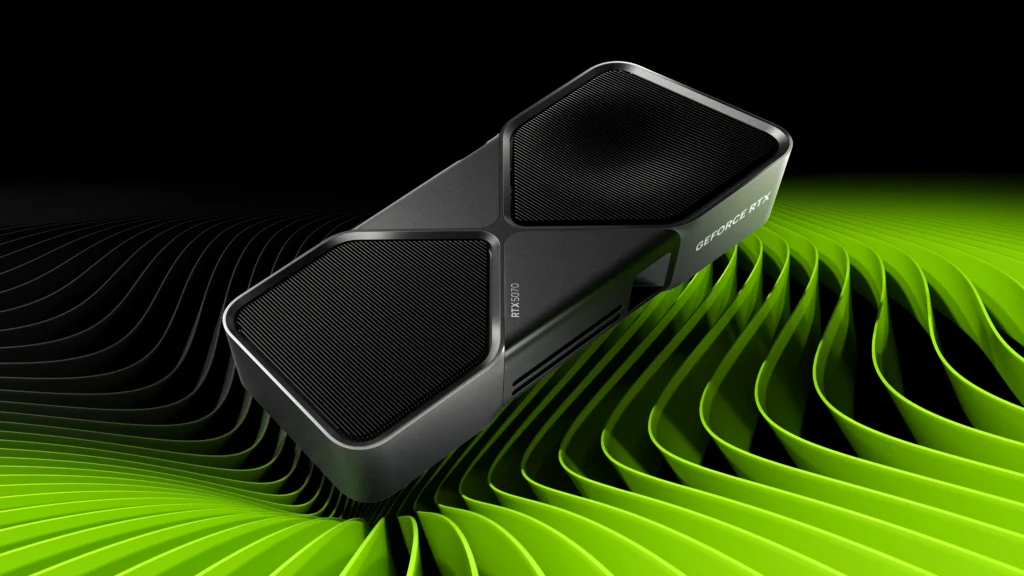
While new mid-range cards are decent, a used RTX 3080 (~$500) can outperform an RTX 4070 Ti Super in many scenarios. Similarly, a used RX 7900 XT (~$450) offers incredible value compared to new RTX 50-series cards.
Used GPUs: Advantages
- Superior Performance-per-Dollar
- Access to Former Flagship Tiers
- Lower Initial Investment
Used GPUs: Risks
- No Manufacturer Warranty
- Unknown Usage/Thermal History
- Missing Latest Frame Gen Features
CPUs & Platforms: AM4’s Resurgence
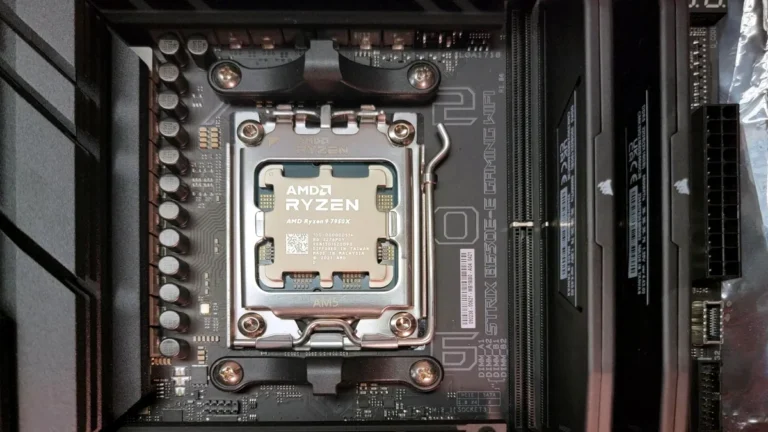
The cost of DDR5 makes current-gen AM5 platforms less appealing for budget builds. This has led to a resurgence of AM4. Pairing a Ryzen 7 5700X3D with affordable DDR4 offers gaming performance that rivals newer, much more expensive systems.
SSDs & HDDs: Smart Storage Solutions
DRAM shortages have doubled SSD prices. For high-capacity storage, the used market offers significant savings, though caution is required regarding drive lifespan.
Safely Buying Used Storage
- Prioritize high TBW (Total Bytes Written) ratings.
- Always request a CrystalDiskInfo health report.
- Consider enterprise-grade SSDs for superior endurance.
Your Essential Checklist for a Risk-Free Used PC Part Purchase
- Research Thoroughly: Know the market value and failure points.
- Vet the Seller: Stick to high ratings and transparent descriptions.
- Proof of Functionality: Request videos or benchmark screenshots.
- Physical Inspection: Look for bent pins or signs of repair.
- Stress Test: Run FurMark or Prime95 within the return window.
- Clean & Repaste: Always refresh thermals on used GPUs/CPUs.
Always utilize buyer protection periods to thoroughly stress-test your newly acquired used components. If it shows signs of instability, initiate a return immediately.
The Future is Adaptable: Building Your Rig in a Changing Landscape
The landscape of PC gaming hardware has fundamentally shifted. By understanding market dynamics, embracing the value of the used components market, and meticulously vetting your purchases, you can still assemble a powerful, future-proofed gaming rig. The LoadSyn Survivor’s Guide is your roadmap to turning scarcity into opportunity.
Final Verdict
In a 2026 market dominated by inflated prices, the used hardware market is a vital strategy. With AMD focusing on mainstream value, smart purchases of previous-gen components offer the most compelling performance-per-dollar. Build wisely, test thoroughly, and conquer the hardware scarcity.
Frequently Asked Questions
Is DDR4 still relevant for gaming in 2026?
Absolutely. For budget builds on AM4, DDR4 offers an excellent price-to-performance ratio and still delivers fantastic gaming experiences.
Can I safely upgrade a used gaming laptop?
Yes, most models from 2021-2023 allow RAM and SSD upgrades. Verify motherboard compatibility using CPU-Z before buying.
Should I buy a used graphics card?
Yes, but cautiously. Use reputable sellers, check stress test results, and prioritize cards with a clear history.