
Key Takeaways: The Zen 5 V-Cache Launch
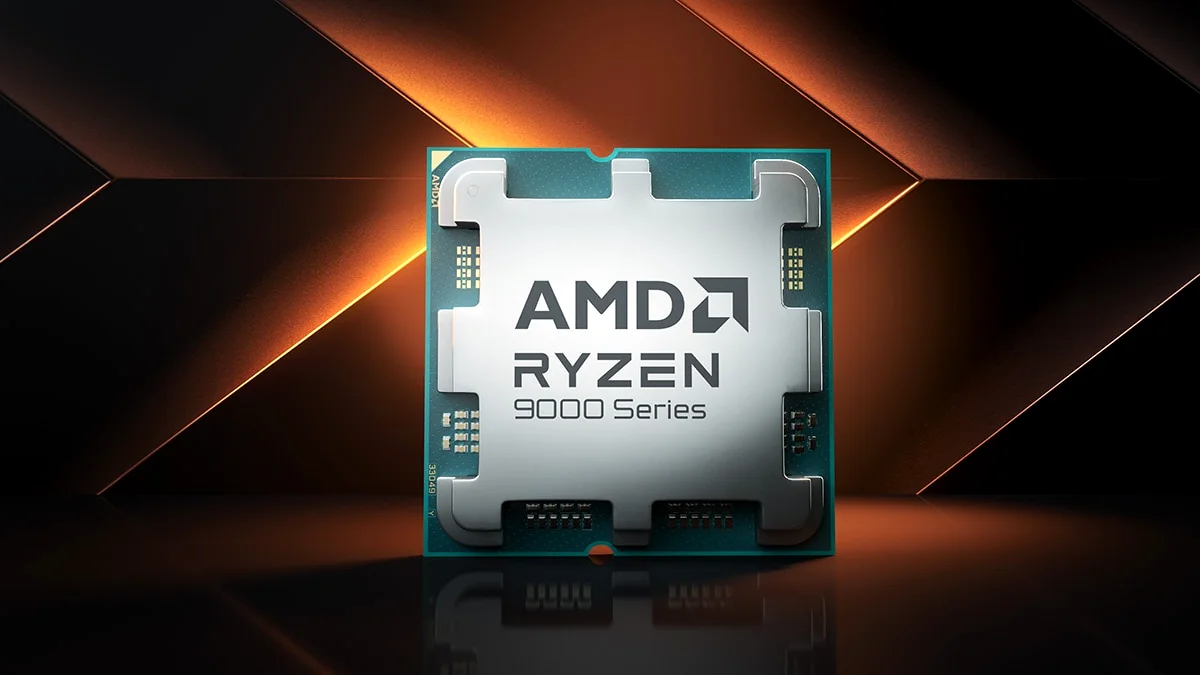
- The Ryzen 7 9850X3D was quietly confirmed by AMD, featuring the new Zen 5 architecture.
- It boasts a 5.6 GHz boost clock, a significant 400 MHz uplift over the 9800X3D, while retaining 96MB of L3 cache.
- The new 3D V-Cache stacking design improves thermal efficiency, allowing for higher clock speeds without sacrificing gaming performance.
- The 9850X3D is positioned to cement AMD’s lead in 1080p/1440p gaming performance, specifically in frame-time consistency (1% Lows).
- The AM5 platform remains a strong investment, with confirmed compatibility for 9000X3D chips even on older A620 chipsets.
The Stealth Launch: Zen 5’s New Gaming Flagship Breaks Cover
The launch of the Ryzen 7 9850X3D was anything but typical. Unlike the official fanfare that accompanied the unveiling of the 9800X3D, this Zen 5 successor was discovered hidden deep within AMD’s own French support site, lending immediate credence to months of community speculation. This processor is not merely an incremental refresh; it represents the definitive next step in AMD’s V-Cache dominance, promising the highest clock speeds ever seen on an X3D chiplet. We have broken down the confirmed specifications and must now analyze precisely what this significant frequency uplift means for the competitive landscape, particularly as we look ahead to Intel’s anticipated Arrow Lake refresh.
AMD Ryzen 7 9850X3D Core Specifications
- Architecture
- Zen 5
- Cores / Threads
- 8 / 16
- Base Clock
- 4.7 GHz (Estimated)
- Max Boost Clock
- 5.6 GHz (Confirmed Leak)
- Total L3 Cache
- 96 MB (3D V-Cache)
- TDP
- 120W
- Overclocking
- Fully Unlocked (Free Multiplier)
Flagship Gaming CPU Comparison: 9850X3D vs. Competition
| Specification | R7 9850X3D (Zen 5) | R7 9800X3D (Zen 5) | i9-14900K (Raptor Lake) |
|---|---|---|---|
| Max Boost Clock | 5.6 GHz | 5.2 GHz | 6.0 GHz |
| Total Cache (L2+L3) | 104 MB | 104 MB | 68 MB |
| Core Count (P+E) | 8 (P-Cores only) | 8 (P-Cores only) | 24 (8P + 16E) |
| Gaming Focus | Extreme Cache | High Cache | High Frequency/Multithread |
Engineering Deconstructed: How AMD Solved the 3D V-Cache Thermal Problem
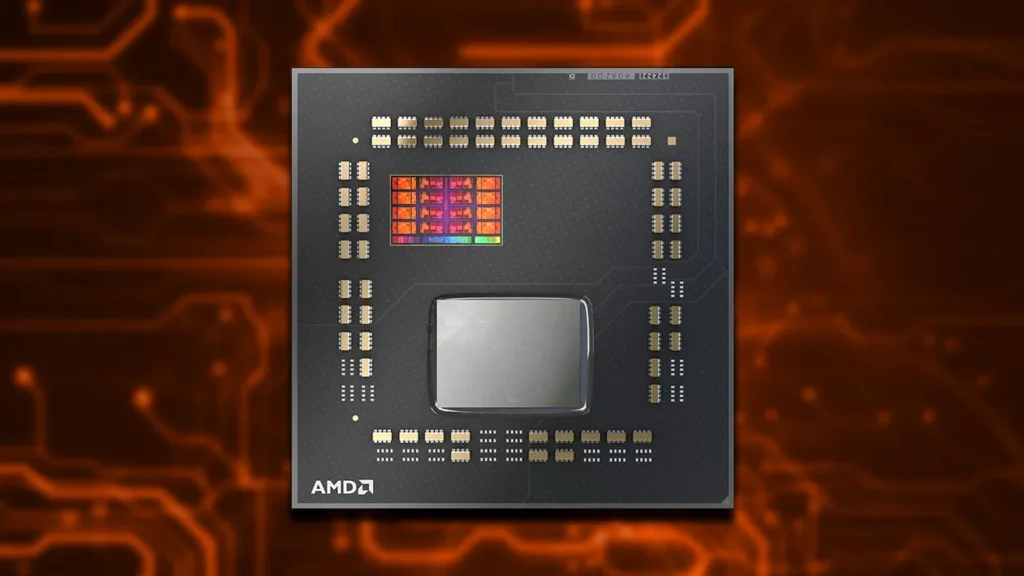
The primary challenge inherent in stacking cache directly onto the CPU core (CCD) has always been heat dissipation. That extra layer of silicon acts as a formidable thermal barrier, severely limiting the clock speeds achievable by the underlying Zen cores. For the Zen 5 X3D series, AMD utilized advanced TSMC packaging to fundamentally redesign the stack. The critical innovation involves flipping the entire structure, positioning the 3D V-Cache below the Core Complex Die. This strategic relocation brings the hot Zen 5 cores much closer to the integrated heat spreader (IHS) and the external cooling solution. This engineering breakthrough is precisely what allows the 9850X3D to achieve its unprecedented 5.6 GHz boost clock—a crucial milestone that effectively negates the traditional speed penalty associated with V-Cache technology.
The Benchmark Imperative: Consistency Over Peak FPS
While average frame rates are certainly impactful on a marketing slide, the true, measurable test of a gaming CPU is frame-time consistency, which is rigorously quantified by 1% Lows. AMD’s internal testing previously demonstrated that the 9800X3D achieved an impressive 31% higher 1% low frame rate compared to the competition in demanding titles like The Last Of Us: Part 1. The new 9850X3D, leveraging its substantial 400 MHz frequency advantage, is now expected to significantly widen this margin. This generational leap means more than just increasing peak FPS; it translates directly into a smoother, more responsive, and utterly fluid gaming experience—the metric that truly matters for competitive gamers who demand zero bottlenecks.
Projected Gaming Performance: 1% Low FPS (Relative Score)
Y-axis: Relative 1% Low FPS Score (9800X3D = 100%)
My aging 5800x3D + RTX 3090 system continues to shred through modern games. Best PC parts I’ve ever purchased.
Optimal Synergy: Building the 9850X3D Rig
The AM5 Platform Advantage
AMD’s commitment to the enduring AM5 socket ensures unparalleled platform longevity for consumers. The entire 9000X3D series is confirmed to be compatible with all previous AM5 chipsets. This means an owner of an existing B650 or even an entry-level A620 motherboard can drop this flagship CPU in with nothing more than a simple BIOS update. This stability and forward-compatibility stand in stark contrast to the persistent platform doubts and required frequent socket changes that have historically plagued the competition.
9850X3D: The Trade-Offs
Pros
- Unmatched Gaming Performance (1080p/1440p).
- Highest Clock Speed on an X3D chip (5.6 GHz).
- Superior Frame-Time Consistency (1% Lows).
- Fully Unlocked for Overclocking.
- Long-term AM5 Platform Investment.
Cons
- Likely High Price Premium (Above $479 MSRP).
- Lower Multi-Threaded Productivity Performance vs. Intel.
- Requires High-End AIO Cooling (120W TDP).
- Performance is highly dependent on V-Cache optimized titles.
Battlefield 6: Multiplayer CPU Test, 33 CPU Benchmark
Final Verdict: The New King of Gaming Performance
The Ryzen 7 9850X3D is not just an iterative update; it is the definitive culmination of AMD’s V-Cache technology, finally achieving high clock speeds without thermal compromise. For the dedicated gamer aiming for maximum frame rates and zero bottlenecks at 1440p and below, this processor is, without a doubt, the new, undisputed king. While the 9800X3D remains a phenomenal value proposition, the 9850X3D is the definitive choice for those building a no-compromise 2025 gaming rig. If your primary use case prioritizes productivity workloads—such as heavy video editing or complex rendering—Intel’s high-core count chips may still offer better multi-threaded value. But purely for gaming performance, the answer is clear: the V-Cache legend continues its reign.
Frequently Asked Questions (FAQ)
Is the Ryzen 7 9850X3D fully unlocked for overclocking?
Yes. Leaked specifications confirm the 9850X3D is fully unlocked, allowing enthusiasts to push its frequency and memory timings further than previous X3D models.
What is the rumored Ryzen 9 9950X3D2?
The ‘X3D2’ moniker points to a dual 3D V-Cache configuration, rumored to carry a massive 192 MB of L3 cache. This is expected to be the true high-end successor, targeting both extreme gaming and productivity tasks, though official details remain scarce.
What is the best RAM speed for this CPU?
For optimal performance on the Zen 5 platform, DDR5-6000 with low CAS latency (CL30 is ideal) is highly recommended. This specific speed runs synchronously with the Infinity Fabric, which is crucial for minimizing latency and maximizing system stability.