
The Battle for the Mid-Range: AMD’s RX 9000 Series Arrives
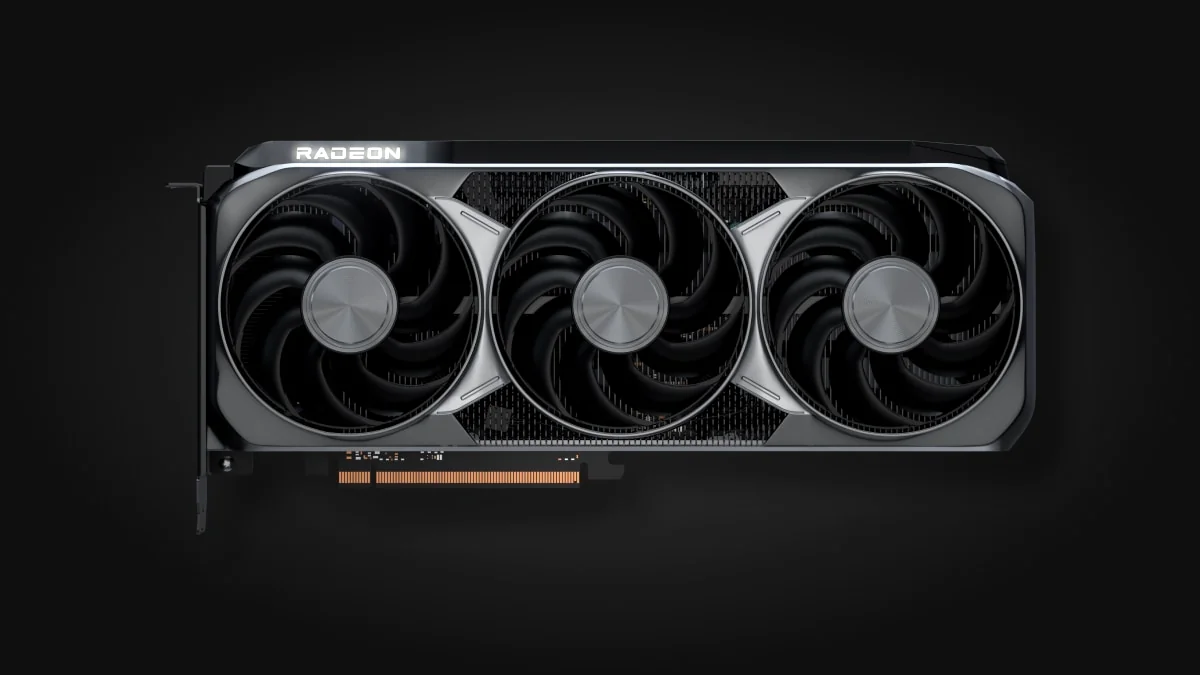
AMD has officially unleashed its Radeon RX 9000 Series, spearheaded by the RX 9070 XT and RX 9070, powered by the much-anticipated RDNA 4 architecture. Positioned by AMD executives like David McAfee as a significant performance leap, these cards aim to redefine high-resolution gaming by offering a blend of raw power, visual fidelity, and compelling value. But in a market increasingly defined by scarcity and fluctuating prices, can AMD’s latest gambit truly disrupt NVIDIA’s long-held dominance, or will it fall victim to the ‘scalping storm’ already brewing, leaving consumers adrift?
RDNA 4: A Generational Leap and Software Innovations
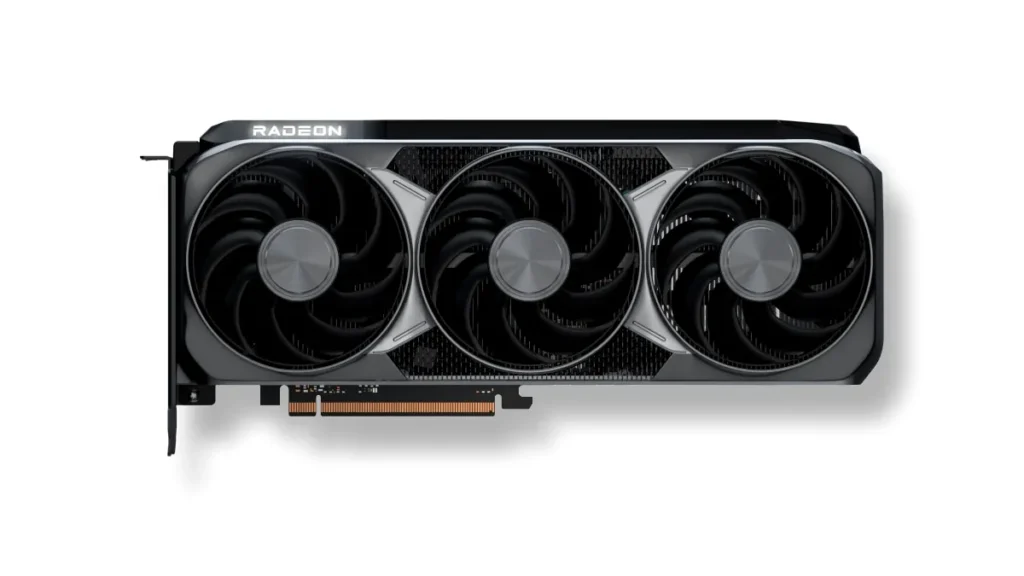
At the heart of AMD’s new offering is the RDNA 4 architecture, a testament to AMD’s commitment to pushing graphical boundaries. This architecture promises substantial generational performance gains, particularly in crucial areas like raytracing and AI processing. Our data indicates that unified Compute Units reportedly deliver up to 40% higher gaming performance compared to RDNA 3, a significant leap for rasterization workloads. Furthermore, 3rd generation Raytracing Accelerators boast over 2x the throughput per compute unit, crucial for increasingly demanding lighting effects. The inclusion of 2nd Generation AI Accelerators, with FP8 and structured sparsity support, further enhances AI model processing, enabling up to 8x the INT8 throughput for sparse matrices. This lays the groundwork for future advancements in areas like AI-driven upscaling and content creation. Beyond raw hardware, AMD is pushing its software suite with FidelityFX Super Resolution 4 (FSR 4)—exclusive to the RX 9000 Series—leveraging RDNA 4’s hardware acceleration for superior image quality and performance boosting across over 30 games at launch. The redesigned AMD Radiance Display Engine supports DisplayPort 2.1a and HDMI 2.1b, enabling resolutions up to 8K 144Hz, complemented by the Enhanced Media Engine for streaming and recording, and the HYPR-RX suite for responsiveness. These innovations collectively aim to maximize hardware utilization and deliver a more immersive gaming experience.
A closer look at the Radeon RX 9070’s performance and value proposition.
AMD Radeon RX 9000 Series Key Specifications
| Feature | RX 9070 XT | RX 9070 |
|---|---|---|
| Architecture | RDNA 4 | RDNA 4 |
| Compute Units (CUs) | 64 | 56 |
| Boost Clock | 3.0 GHz | 2.5 GHz |
| Memory | 16GB GDDR6 | 16GB GDDR6 |
| Memory Interface | 256-bit | 256-bit |
| SEP (MSRP) | $599 | $549 |
| TDP | 304 W | N/A (implied lower than XT) |
| Bus Interface | PCIe 5.0 x16 | PCIe 5.0 x16 |
| Power Connector | 8-pin (traditional) | 8-pin (traditional) |
RX 9070 XT vs. Key Competitors (Performance & Value)
| Card Model | MSRP/Launch Price | Average G3D Mark Score | G3DMark/Price Score (Value) | Key Performance Notes |
|---|---|---|---|---|
| AMD RX 9070 XT | $599 | 26,901 | 42.70 | 42% avg. uplift over RX 7900 GRE (4K); rasterization near RTX 4080; competitive with RTX 5070 Ti in many titles. |
| NVIDIA RTX 5070 Ti | $749-$999 (scalped) | N/A (direct score not provided) | N/A | Often edged out by RX 9070 XT, but 20% stronger in Cyberpunk RT; widespread black screen issues reported. |
| NVIDIA RTX 3080 | N/A (older gen) | 25,064 | 21.08 | Outperformed by RX 9070 XT; significantly less cost-effective. |
| NVIDIA RTX 4060 | N/A (current gen) | N/A | 65.15 | Lower absolute performance but offers better price-to-performance ratio. |
NVIDIA’s Unstable Throne: RTX 50-Series Challenges
While AMD makes its play for the mid-range, NVIDIA continues to hold significant market leadership, often seeing its products exclusively listed in system requirements. However, the newly launched RTX 50-series hasn’t been without its controversies, indicating potential vulnerabilities in their market position. Reports of missing ROPs on some models and widespread black screen issues have plagued its debut, creating a less-than-stellar first impression. Despite these challenges, the flagship RTX 5090 launched at a staggering $2,000 MSRP and immediately sold out, alongside the 5080. This suggests that demand at the very high end remains insatiable, even as other 50-series cards struggle to move at MSRP, highlighting a bifurcated market where ultra-enthusiasts pay any price, while the broader consumer base remains more discerning.
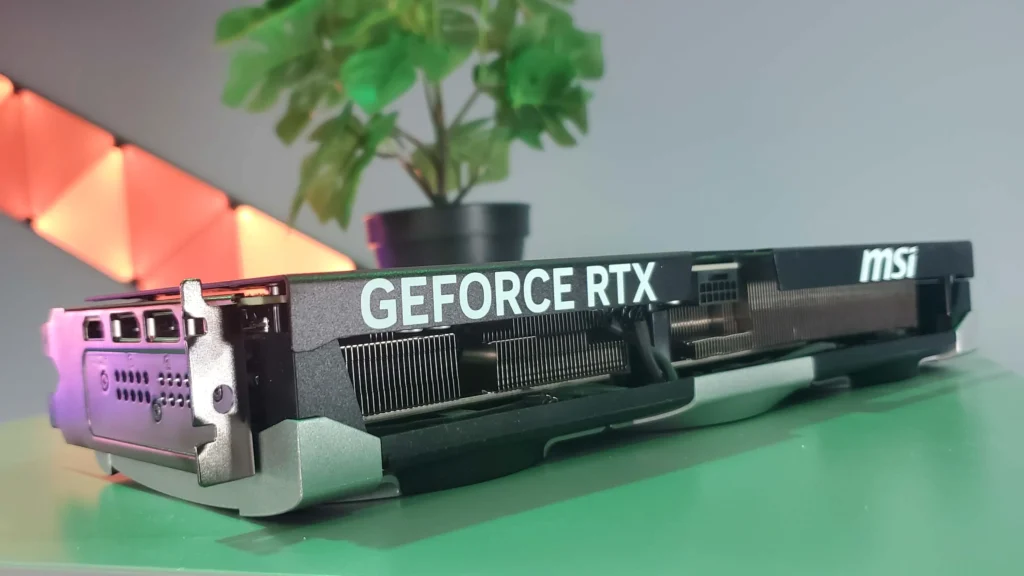
Launch Day Chaos: Scarcity, Scalping, and the ‘Real Market’
The launch of AMD’s RDNA 4 GPUs has been anything but smooth on the retail front, immediately raising concerns about market accessibility. Following their announcement, the RX 9070 XT and RX 9070 series vanished from major retailers like Micro Center, Newegg, and Best Buy, showing ‘out of stock’ across the board. This immediate scarcity has fueled a rampant third-party market, with cards appearing on Amazon, eBay, and Facebook Marketplace at drastically inflated prices, often exceeding three times their suggested retail price. For instance, the XFX Mercury RX 9070 XT OC Magnetic Air White Edition was spotted for over $2,000, far exceeding its $599 MSRP. Even Amazon, in some instances, has listed the XFX 9070 for $669, still a notable increase above its $549 MSRP. This rapid disappearance and price hike underscore a significant challenge for consumers hoping to get their hands on these compelling new cards at their intended value.
The extreme price inflation and scarcity surrounding the new AMD GPUs have sparked significant debate regarding the nature and organization of the entities driving these high prices, with some commentators suggesting that organized ‘scalping’ companies, requiring capital, investors, and automation, are manipulating the market. Conversely, others argue against demonizing these actors, reframing them as ‘normal traders’ operating in a ‘real market,’ drawing parallels to state-controlled pricing systems in Eastern Europe before 1989 where official prices led to shortages and necessitated a ‘black market’ where true market prices were paid; these defenders suggest that without these traders, GPUs might be entirely unavailable to consumers at any price, and that the MSRP is merely a suggestion set by a private company, which will continue until consumers exercise self-restraint.
Market Insight: The Long Road to Normalcy
Beyond the immediate AMD launch chaos, ongoing supply chain issues persist across the industry, affecting not just AMD but also Intel Arc and NVIDIA’s upcoming 50-series cards. For the average consumer, patience remains key. Data from Steam charts consistently shows that demand for bleeding-edge 4K performance is statistically tiny. Experts, including those tracking historical cost-per-frame metrics, advise holding onto older hardware like a 3060 12GB and avoiding inflated prices. Prices are only expected to normalize when stock levels consistently surpass sales demand—a scenario still some months away for bleeding-edge hardware across the board.
The Gamer’s Dilemma: Upgrade Anxiety and Value Hunting
Fandom Pulse Summary
The PC gaming community is caught in a fascinating paradox. On one hand, there’s significant satisfaction and relief among those who’ve managed to secure AMD’s RX 9070/XT, praising their performance and perceived value against NVIDIA. Users celebrate substantial upgrades from older cards, highlighting AMD’s ‘bang for buck’ in a market often dominated by higher-priced alternatives. Yet, this satisfaction is heavily tempered by pervasive worry and urgency. Many gamers are anxious about escalating prices and looming market instability—a phenomenon some are dubbing the ‘RAM apocalypse.’ This anxiety is leading some to buy now out of fear of future price hikes, while others, facing steep costs, resign themselves to clinging to their reliable, older hardware for as long as possible. This creates a collective pressure to upgrade, driven by both genuine generational improvements and the fear of missing out before prices ‘go to hell,’ as one user colorfully put it.
I kept my RX 5700XT for 6 years and replaced it a week ago with an RX 9070XT and I can confirm that is it a gigantic upgrade! My 5700XT has had longest run of all the graphics cards I’ve owned since I started gaming on PC in the mid 90s. A truly amazing bang for buck in hindsight, and it is still in perfect working condition. I might even have kept it a little longer if the memory chips crisis didn’t convince me to upgrade before everything goes to hell.
Radeon’s Road Ahead: A Value Champion in Troubled Waters?
AMD’s RX 9000 series, particularly the RX 9070 XT and 9070, presents a compelling value proposition with significant performance gains over previous generations and a genuine competitive edge against NVIDIA’s mid-range offerings. The RDNA 4 architecture and FSR 4 represent genuine advancements, pushing the envelope for raytracing and AI capabilities. However, the immediate success of these technically impressive cards is being severely tested by availability issues and the contentious debate around market scalping. For gamers, the decision to upgrade is no longer just about performance per dollar, but also about navigating a volatile market fraught with anxiety over future prices. AMD has laid down a strong technical challenge, offering what, on paper, should be a market disruptor. Yet, the true battle for market share will ultimately be fought not just on benchmark charts, but on the shelves of retailers, and more importantly, in the hearts and wallets of consumers grappling with an unpredictable economic landscape.
Key Takeaways
- AMD’s RX 9000 Series, featuring RDNA 4, offers significant performance and value, especially the RX 9070 XT ($599) against NVIDIA’s RTX 5070 Ti.
- New features like FSR 4 and enhanced raytracing/AI capabilities mark a strong generational leap for AMD.
- The launch has been plagued by severe availability issues and widespread scalping, driving prices well above MSRP.
- The gaming community is divided between satisfaction with AMD’s value and anxiety over market instability and future price hikes.
- Patience is advised for average consumers, as market normalization may take time, despite compelling new hardware.