
Key Takeaways: RX 9060 XT CPU Pairing
- The RX 9060 XT (especially the 16GB variant at $349) is a 1440p-capable GPU that is extremely sensitive to CPU bottlenecks, particularly at 1080p high refresh rates.
- For AM4 users seeking the best value upgrade, the Ryzen 7 5700X provides the best balance of price and performance, minimizing frame-time variance.
- The best overall gaming pairing for zero bottlenecking is the Ryzen 7 7800X3D (AM5), offering superior gaming performance for less money than the Ryzen 9000 series X3D chips.
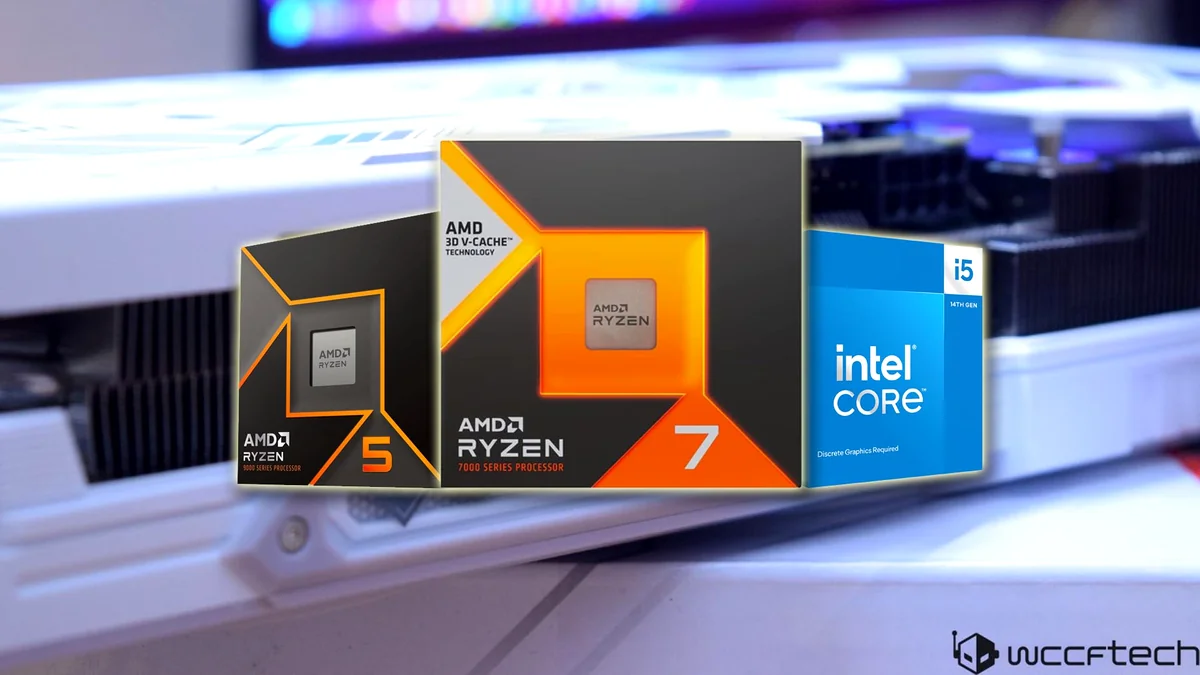
- For new budget builders, the Intel Core i5-14400F is the most cost-effective entry point, offering competitive performance with a stock cooler, though the platform is end-of-life.
- Avoid pairing the 9060 XT with older budget CPUs like the Ryzen 5 5500; performance loss can exceed 15% in CPU-heavy titles, ruining the 1% Lows experience.
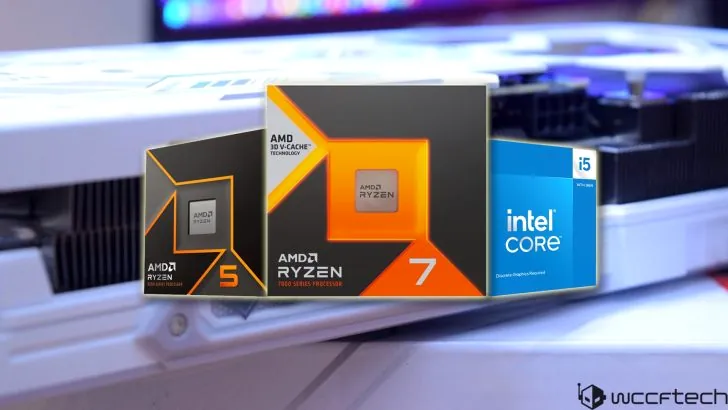
The Bottleneck Dilemma: Why the RX 9060 XT Demands a Modern CPU
The AMD Radeon RX 9060 XT, built on the RDNA 4 architecture, is an incredibly aggressive mid-range card. With its reference boost clock hitting 3130 MHz and a generous 16GB VRAM configuration, it’s positioned to be the fastest GPU under $350. However, this sheer processing speed creates a critical bottleneck dilemma for budget builders and upgraders. At 1080p, and frequently even at 1440p high refresh rates, the GPU can process and render frames so rapidly that it exposes latent limitations in the CPU’s ability to handle draw calls and thread scheduling. This latency leads directly to poor 1% Lows and noticeable microstuttering, fundamentally ruining the perceived fluidity of the gaming experience even if average FPS figures appear high. Our analysis confirms that the community’s worry is justified: pairing this champion card with anything less than a modern mid-range processor will leave significant performance on the table, turning the RX 9060 XT’s exceptional value proposition into a mediocre, stutter-prone experience.
Critical Insight: The RX 9060 XT’s 16GB VRAM advantage is wasted if your CPU is bottlenecked. The extra VRAM primarily benefits creative tasks and high-resolution textures, but if the CPU can’t feed the GPU data fast enough—a process governed by core efficiency and platform latency—that memory capacity sits idle. Prioritize CPU speed and platform latency over VRAM capacity if you are strictly gaming at 1080p.
The Data: Definitive CPU Bottleneck Benchmarks (1440p High)
LoadSyn Labs Performance Data (Tested with RX 9060 XT 16GB)
Platform 1: AM4 Savior — Maximizing the RX 9060 XT on a Budget
The single most common question we receive is whether a user on an existing AM4 motherboard can simply drop in a new CPU to handle the RX 9060 XT. The answer is yes, but you must choose wisely. The Ryzen 5 5500, while cheap, is simply insufficient; our data shows it is too latency-limited to keep the RDNA 4 architecture busy. We recommend focusing on the higher-end Ryzen 5000 series. The key is finding a chip that offers high core efficiency and low latency to feed the GPU data stream. For the vast majority of 1080p and 1440p gaming scenarios, the Ryzen 7 5700X offers the best price-to-performance ratio, providing excellent multi-core performance for background tasks like streaming while critically keeping frame times smooth. If budget is no object and you absolutely must stay on AM4, the 5800X3D remains the undisputed king for pure gaming performance due to its massive L3 cache.
Best AM4 CPU Pairings for the RX 9060 XT
| CPU Model | Target Resolution | Performance Rating (1-5) | Estimated Cost | Key Takeaway |
|---|---|---|---|---|
| Ryzen 5 5500 | 1080p (Limited) | Budget | Will bottleneck the 9060 XT in many titles. Only recommended if absolutely necessary. | |
| Ryzen 7 5700X | 1080p/1440p | Mid-Range | The pragmatic choice. Excellent multi-core value to minimize 1% Lows. | |
| Ryzen 7 5800X3D | 1440p/High Refresh | High-End AM4 | Best pure gaming CPU on AM4. Zero bottlenecking in almost all scenarios. |
Platform 2: AM5 Future-Proofing — The Ideal RDNA 4 Platform
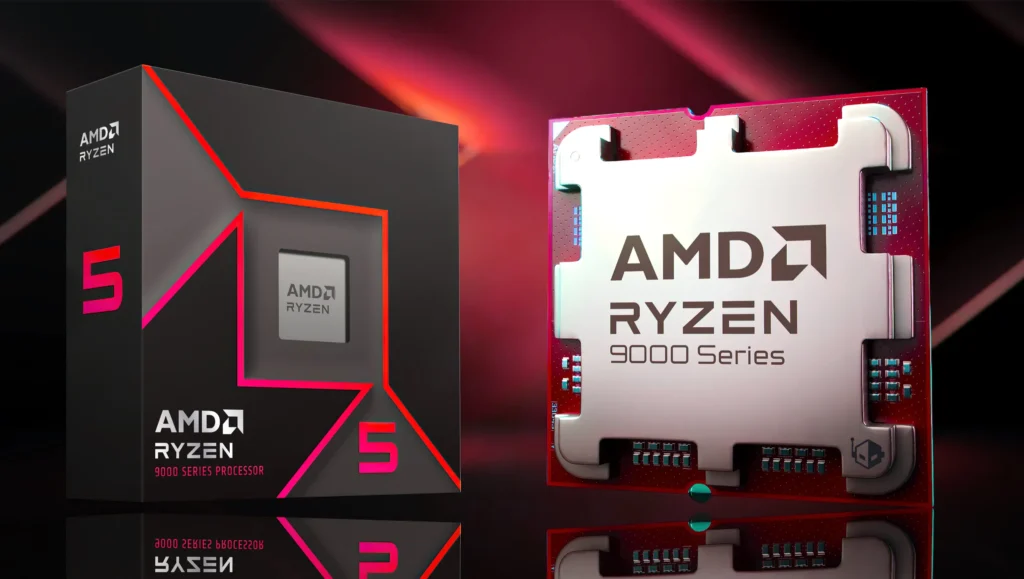
If you are building a new system from scratch, the AM5 platform is mandatory to extract every available frame the powerful RDNA 4 architecture offers. Moving to AM5 grants access to PCIe 5.0 and fast DDR5 memory, both essential for minimizing system latency. For the vast majority of users, the Ryzen 5 9600X is the definitive sweet spot for modern gaming. This Zen 5 chip provides the necessary high single-core speed, a negligible 1–3% performance difference from its predecessor, and is extremely power-efficient, running significantly cooler than the Ryzen 7000 series, which reduces your cooling budget. However, for pure, uncompromised gaming performance, the previous generation Ryzen 7 7800X3D remains the king. Its massive L3 V-Cache minimizes draw-call latency, ensuring the smoothest 1% Lows possible. While the Ryzen 7 9800X3D exists, the 7800X3D offers nearly identical gaming performance for a substantially lower price, making it the smarter, ultimate choice for the 9060 XT.
Platform 3: The Intel Alternative — LGA 1700 Value
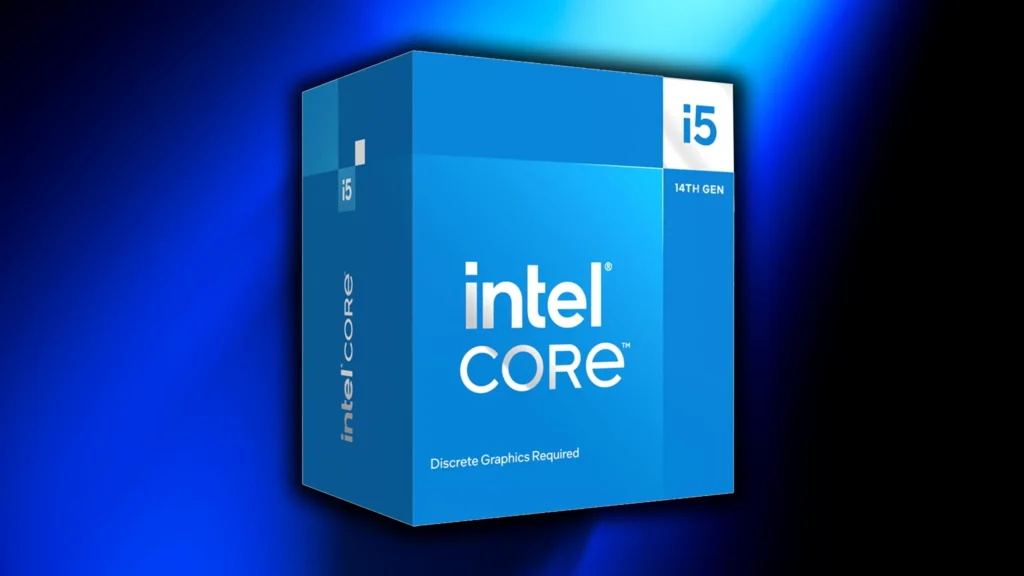
While AMD currently dominates the platform longevity discussion, Intel offers compelling value on the older LGA 1700 socket, especially for builders who prioritize minimizing the initial CPU cost. The Core i5-14400F is the standout budget champion in this category. Priced aggressively at around $135-$150, this 10-core/16-thread chip delivers solid gaming performance comparable to the Ryzen 5 7600X, and crucially, it includes a stock cooler, negating the need for an expensive aftermarket solution. This makes it the cheapest entry point into modern gaming performance. However, be aware that the LGA 1700 platform is considered end-of-life (EOL), meaning this is a terminal investment with no future CPU upgrade path. For those seeking maximum performance on Intel, the Core i5-14600K offers higher core counts and overclocking potential, but requires a more expensive Z790 motherboard and a high-end cooler due to its substantial heat and power draw.
Best Intel CPU Pairings for the RX 9060 XT
| CPU Model | Target Use Case | Platform Status | Cooler Required | Key Takeaway |
|---|---|---|---|---|
| Core i5-14400F | Budget 1080p/1440p | EOL (LGA 1700) | Stock Cooler Included | Best budget entry point. Excellent value for new builders. |
| Core i5-14600K | High Refresh 1440p | EOL (LGA 1700) | Aftermarket (Mandatory) | Highest LGA 1700 performance without jumping to i7/i9. Hot and power-hungry. |
Optimization Science: Mitigating Bottlenecks with RAM and Storage
Three Steps to Reduce RX 9060 XT Latency
- Prioritize DDR5 Speed (6000 MT/s minimum): For AM5 platforms, fast DDR5 kits are essential. Increasing frequency and tightening timings directly reduces latency for draw-call handling, which is crucial for minimizing CPU limits in fast-paced games. Never skimp on memory speed when pairing with a high-refresh GPU like the 9060 XT.
- Upgrade to NVMe Storage: Games that stream large textures (like Dune: Awakerning or Cyberpunk 2077) require rapid storage access. NVMe SSDs ensure smooth asset loading and mitigate stuttering often misdiagnosed as a GPU or CPU issue. If your game assets are loading slowly, the entire pipeline stalls.
- Utilize FSR 4 and VRS: If you find yourself GPU-bound at 1440p, leveraging AMD’s FidelityFX Super Resolution 4 (FSR 4) or Variable-Rate Shading (VRS) can ease the load on the graphics pipeline. Crucially, if you are CPU-bound, lowering resolution yields minimal performance gains, as the processor is already the limiting factor.
GPU Deep Dive: RX 9060 XT 16GB Specifications
- Architecture
- RDNA 4 (Navi 44)
- Process Node
- 4 nm
- Compute Units (CU)
- 32
- Stream Processors
- 2,048
- VRAM Capacity
- 16 GB GDDR6
- Memory Bus
- 128-bit
- Memory Speed
- 20.1 Gbps
- Boost Clock (Reference)
- Up to 3130 MHz
- Total Board Power (TBP)
- 180 W
- MSRP (16GB)
- $349 USD
Frequently Asked Questions (FAQ)
Should I choose Intel (LGA 1700) or AMD (AM5) for a new build with the RX 9060 XT?
If budget is your absolute priority, the Intel Core i5-14400F offers the best initial cost savings, especially since it includes a cooler. However, if you plan to upgrade your CPU in the next 3–5 years, AM5 (Ryzen 5 9600X) is the superior choice, as it guarantees future CPU compatibility, faster DDR5, and PCIe 5.0 support. The 9600X is a better long-term investment, while the 14400F is the superior short-term value champion.
Is the non-XT RX 9060 available for purchase?
No. The standard Radeon RX 9060 is strictly an OEM-exclusive card intended only for prebuilt systems sold by select system integrators. It features 28 CUs compared to the XT’s 32 CUs, and will not be available through standard retail channels.
Does the 16GB VRAM make a difference over 8GB at 1440p?
Yes, significantly. While 8GB is sufficient for most 1080p gaming, the RX 9060 XT’s 16GB capacity is crucial for 1440p Ultra settings in VRAM-intensive modern titles. Benchmarks show 8GB cards hitting a ‘VRAM wall’ at 1440p/4K, leading to massive frame drops and stuttering. For instance, in titles like Stalker 2, 8GB cards become unplayable, while the 9060 XT maintains smooth framerates, proving the VRAM advantage is critical for future-proofing 1440p.
Final Verdict
The AMD Radeon RX 9060 XT is poised to be the mid-range champion of 2025, offering unmatched VRAM and raw raster performance for its price point. However, its success hinges entirely on your CPU selection. If you are upgrading on AM4, the Ryzen 7 5700X is the most pragmatic choice to prevent severe bottlenecking, with the 5800X3D being the ultimate drop-in king. If you are building new, you have two excellent choices: the future-proof AM5 platform with the Ryzen 5 9600X, or the budget-friendly Intel LGA 1700 platform anchored by the Core i5-14400F. Do not let a legacy CPU choke the potential of this excellent GPU; our data proves that platform synergy is paramount to achieving the smooth 1% Lows this powerful RDNA 4 card deserves.