
The Future is Liquid: What Gamers Need to Know
- Enterprise hardware (like Goodram’s 123TB QLC SSDs) is pushing computing density to unprecedented levels, demanding radical cooling solutions.
- Immersion cooling, submerging components in dielectric fluid, is emerging as the most efficient way to manage extreme heat from AI/HPC workloads.
- This technology offers massive energy savings (up to 90% in cooling), reduced noise, and extended hardware lifespan, while also raising environmental concerns about water use and e-waste.
- While currently enterprise-focused, these advancements could impact future consumer hardware, influencing component costs (like RAM/SSDs) and the eventual adoption of advanced cooling in high-end gaming PCs.
- The shift to sustainable data center practices is critical, and understanding these trends helps predict the evolution of the broader tech ecosystem that impacts gaming.
The Boiling Point: Why Traditional Cooling Can’t Keep Up
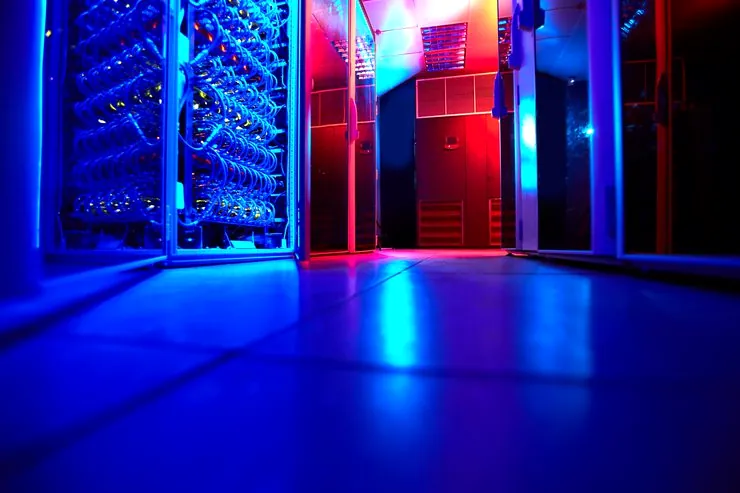
The relentless march of computing power, especially driven by AI and High-Performance Computing (HPC), has pushed traditional air-cooling systems to their absolute limits. Modern GPUs and CPUs, packed with billions of transistors, generate unprecedented amounts of heat, turning server racks into miniature blast furnaces. Data centers, the backbone of our digital world, are grappling with skyrocketing energy consumption, escalating operational costs, and an ever-growing carbon footprint. This isn’t just an enterprise problem; it’s a fundamental challenge that impacts the entire tech ecosystem, from the availability of cutting-edge components to the environmental sustainability of the industry. The quest for more performance, denser compute, and quieter operations has led engineers to literally dive into new solutions – namely, liquid.
Goodram’s Dive: Immersion-Ready SSDs Hit the Scene
In a significant leap towards addressing these thermal challenges, Goodram Enterprise has unveiled a new line of server SSDs specifically optimized for immersion cooling environments. Their UltraSpeed and DataCore series, including the groundbreaking 123TB QLC SSD (DC25F series in E3.S and E3.L form factors), are designed to operate submerged in non-conductive dielectric fluids. These drives have undergone rigorous testing with leading coolants like Shell S5X and Chevron Synfluid PAO 4, ensuring exceptional durability and reliability in these unconventional settings. This move highlights a crucial trend: even components not traditionally associated with extreme heat, like SSDs, are being engineered for immersion as the technology becomes more widespread in high-density server racks.
Goodram Enterprise Immersion-Ready SSD Highlights (DC25F Series)
| Product Series | DC25F QLC Tantalum |
| Form Factor | E3.S, E3.L |
| Capacity (GB) | 122,880 GB (123TB) |
| DWPD (5 Years) | 0.3 |
| Seq. R/W (MB/s) | 14,600 / 3,200 |
| 4K Ran. R/W (IOPS) | 3000K / 35K |
| Product Status | CS: Q4’25 (E3.S), 6/M’25 (E3.L) |
| Key Feature | Optimized for Immersion Cooling |
Diving In: What is Immersion Cooling?
Immersion cooling is a revolutionary thermal management technology that involves submerging computing components (servers, GPUs, SSDs) directly into a non-conductive dielectric fluid. Unlike air, which is a poor conductor of heat, these specialized liquids are thousands of times more efficient at absorbing and dissipating thermal energy. This direct contact with the cooling medium allows for superior heat transfer, ensuring optimal operational performance and significantly extending the lifespan of hardware. It’s a stark departure from traditional air-cooled data centers, where fans and HVAC systems struggle to keep up with the increasing heat density.
A visual explanation of how liquid cooling is revolutionizing data centers.
Single-Phase vs. Two-Phase Immersion: The Key Differences
Immersion cooling primarily comes in two flavors: single-phase and two-phase. In single-phase immersion cooling, hardware is submerged in a dielectric fluid that remains in its liquid state. The fluid heats up as it absorbs heat from components, is then pumped out of the tank, cooled via a heat exchanger, and recirculated back into the tank. It’s a continuous liquid loop, much like a traditional liquid cooling loop but on a much larger scale, encompassing entire systems. Two-phase immersion cooling, on the other hand, utilizes a dielectric fluid with a low boiling point. As components heat up, the fluid boils and vaporizes, carrying heat away as a gas. This vapor then rises to a condenser coil at the top of the tank, where it cools, condenses back into liquid, and drips back down onto the components, creating a self-sustaining cycle. Two-phase offers even greater heat transfer efficiency due to the latent heat of vaporization, making it ideal for the most extreme power densities.
Immersion Cooling: A Balancing Act
Pros
- Dramatic Energy Efficiency: Up to 90% reduction in cooling energy consumption compared to air, leading to Power Usage Effectiveness (PUE) as low as 1.02-1.03.
- Higher Compute Density: Supports rack densities exceeding 100kW, enabling more powerful servers and GPUs in a smaller footprint.
- Extended Hardware Lifespan: Stable operating temperatures reduce thermal stress, improving component reliability and longevity.
- Elimination of Fans & Noise: Removes the need for internal server fans and external HVAC, significantly reducing noise and vibration.
- Reduced Maintenance: Fewer moving parts (fans, chillers) and protection from dust/humidity simplify maintenance.
- Future-Proofing: Ready for evolving hardware with even higher thermal design power (TDP) requirements.
Cons
- Initial Investment: Higher upfront costs for tanks, dielectric fluids, and immersion-ready hardware.
- Fluid Compatibility: Not all components are designed for direct submersion; material compatibility is crucial.
- Infrastructure Adaptation: Requires significant changes to existing data center layouts and operational workflows.
- Environmental Impact of Fluids: While non-conductive, the sourcing, disposal, and potential leakage of dielectric fluids need careful management.
- Water Use (Indirect): While direct water use for cooling is eliminated, the electricity generation for the data center itself can still be water-intensive if not from renewable sources.
- Vendor Lock-in: Early adoption might lead to reliance on specific immersion solution providers.
The Fandom Pulse: What Immersion Means for Gamers (and Their Wallets)
“The community is impressed by the sheer scale and memory density of new AI hardware, but immediately connects this advancement to the escalating cost barrier for consumer/prosumer access. There is direct pushback against the perceived corporate push of AI/HPC infrastructure, suggesting a lack of market demand from the general consumer base. While the necessity of advanced cooling for high-density data centers is acknowledged, the environmental and community impact of these massive facilities generates negative sentiment.”
While immersion cooling and 123TB SSDs might seem far removed from your gaming rig, the advancements at the enterprise level invariably trickle down, or at least influence, the consumer market. The gaming community’s reactions highlight a crucial tension: awe at technological feats versus concern over accessibility and broader impact. The push for extreme density in AI/HPC, for example, directly affects the demand and pricing of high-bandwidth memory (HBM) and next-generation NAND flash, potentially making enthusiast-grade RAM and SSDs more expensive. Furthermore, the massive energy and water demands of these ‘AI factories’ raise legitimate environmental worries. Our audience recognizes that data centers are not just abstract entities; their resource consumption can strain local grids and communities, a concern that echoes in the broader tech landscape. For gamers, this means understanding that the pursuit of ultimate performance, whether for AI or future gaming, comes with trade-offs that extend beyond a simple price tag.
Will Your Next Gaming PC Be Submerged?
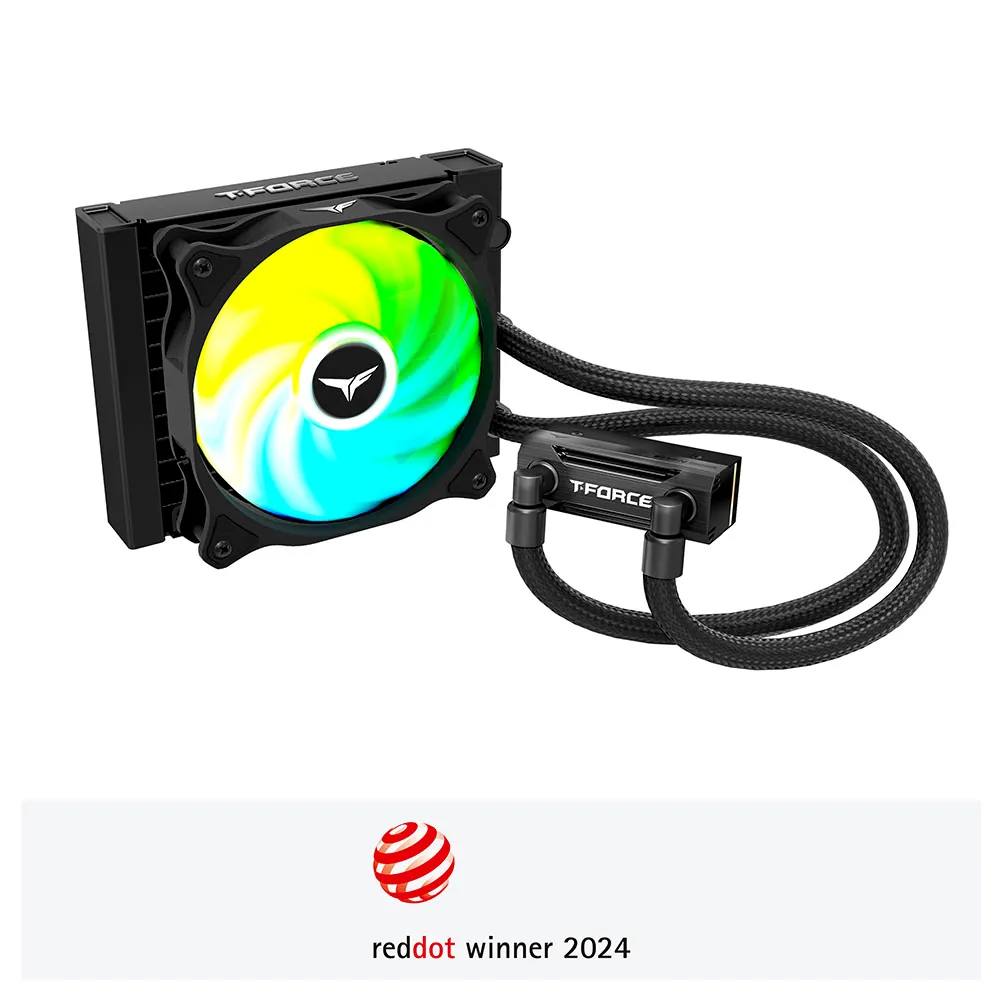
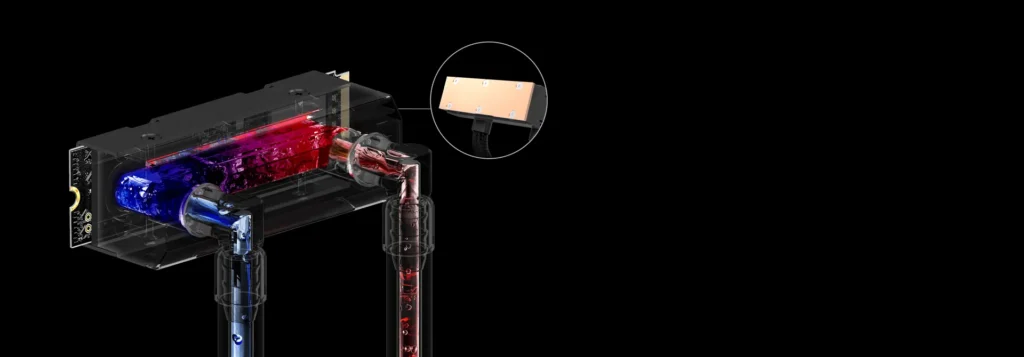
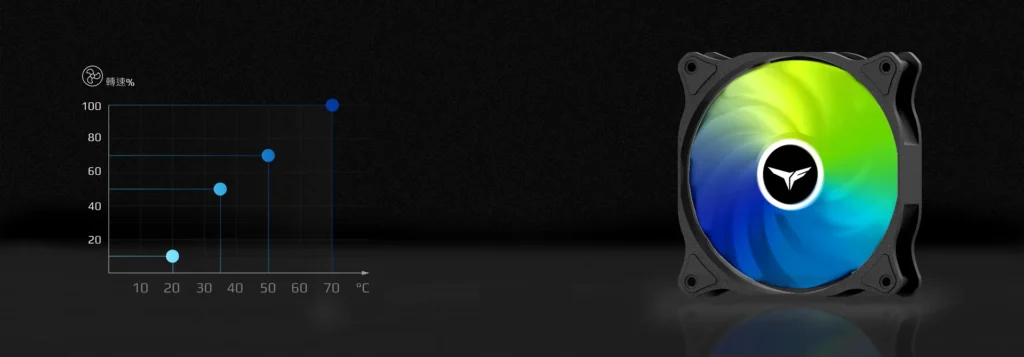
For now, full immersion cooling remains largely the domain of data centers and specialized HPC environments. However, the principles are already manifesting in consumer tech: advanced AIO (All-in-One) liquid coolers for CPUs and GPUs, and even specific M.2 SSD liquid coolers like the T-FORCE SIREN GD120S, are pushing the boundaries of what’s possible in a desktop PC. As component TDPs continue to rise and form factors shrink (think SFF builds), the advantages of more efficient liquid cooling solutions will become increasingly attractive. We may not be dunking our entire gaming rigs in tanks tomorrow, but the lessons learned from enterprise immersion cooling will undoubtedly inform the next generation of silent, high-performance consumer cooling.
Consumer Liquid Cooling Today
Beyond Goodram: Other Innovators in Liquid Cooling
Key Players Shaping the Liquid Cooling Landscape
- Supermicro: Certified by Intel for immersion cooling solutions, demonstrating commitment to OCP guidelines and achieving PUE values near 1.05 with their BigTwin servers.
- Hypertec: Offers ‘immersion-born’ GPU servers (Trident iG series) designed from the ground up for maximum efficiency in liquid environments, optimizing component placement for thermal management.
- GIGABYTE: Partnered with Submer, Asperitas, and GRC to release immersion-ready server SKUs, modifying existing server designs for direct submersion.
- Submer: A leader in immersion cooling technology, developing solutions for next-gen cooling and automation, with a strong focus on biodegradable fluids and waste heat utilization.
- Accelsius & UNICOM Engineering: Pioneering two-phase liquid cooling solutions that capture heat directly at the chip level, enabling higher densities and significant energy savings for platforms like Dell PowerEdge servers.
- ZutaCore & Compal: Collaborating on waterless, direct-to-chip cooling technology (HyperCool®), achieving extremely low PUE scores (1.01-1.04) and eliminating hardware damage risks from leaks.
- Apheros: Developing proprietary metal foam technology for advanced heat transfer in two-phase and immersion cooling, aiming to improve thermal management at the chip level.
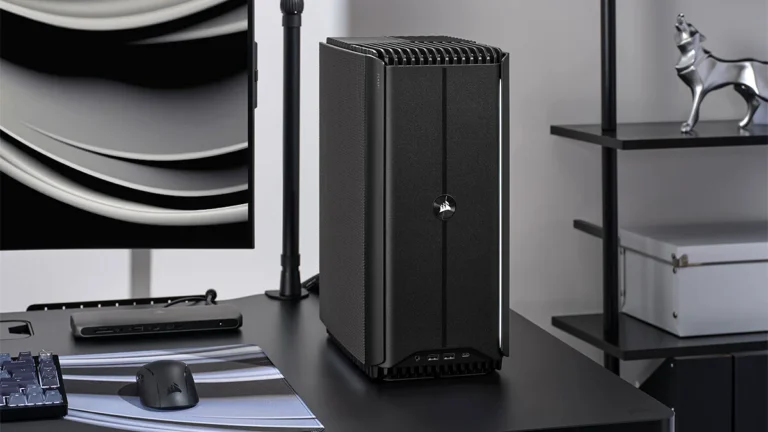
- Comino: Offers liquid-cooled small-form-factor (SFF) gaming PCs, the OTTO, demonstrating consumer-level integration of high-performance liquid cooling for CPUs and GPUs, with a focus on silence and upgradability.
The Greener Future: Sustainability and the AI Era
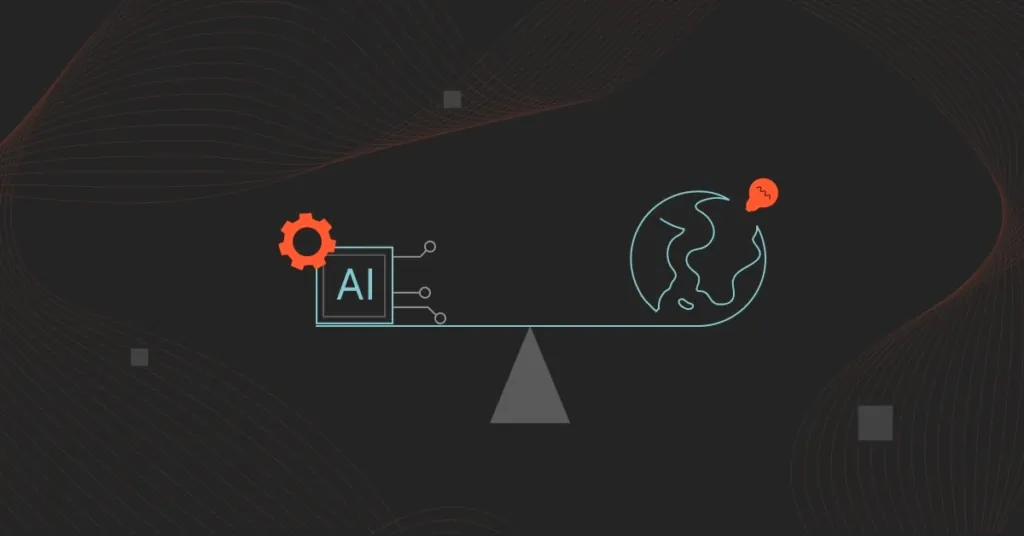
The surge in AI and HPC workloads brings undeniable environmental costs: escalating energy consumption, significant water usage for cooling, and a growing tide of electronic waste from rapidly evolving hardware. Training a single large AI model can emit as much CO2 as five cars over their lifetime, and data centers now consume energy comparable to entire countries. Immersion cooling offers a path to mitigate these impacts by drastically cutting cooling energy and water requirements (especially with closed-loop systems and two-phase approaches that minimize evaporation). However, the overall energy source for data centers remains critical. The industry is responding with initiatives like ‘carbon-aware scheduling’ and a focus on renewable energy regions. As LoadSyn, we understand that true innovation must balance performance with responsibility, steering towards a future where computing power is not just immense but also sustainable.
The Hidden Cost of AI: Water Consumption
Beyond electricity, data centers consume vast amounts of fresh water, primarily for evaporative cooling. While immersion cooling can reduce direct water use, the overall power generation for these facilities still has a water footprint. Some estimates suggest AI-related infrastructure could soon consume six times more water than Denmark annually. This highlights the importance of choosing data center locations with sustainable water management and focusing on closed-loop cooling systems that minimize reliance on municipal water supplies.
The Road Ahead: What’s Next for Liquid Cooling and Storage?
The trajectory is clear: computing is getting hotter and denser, and liquid is the answer. We’ll see further refinement in dielectric fluids, potentially leading to even more eco-friendly and efficient options. Hardware manufacturers will increasingly design components ‘immersion-born,’ optimizing materials and form factors specifically for submerged operation. Expect hybrid cooling solutions, where liquid handles the hottest components (CPUs, GPUs) and air manages less critical areas, to become more prevalent in consumer and prosumer systems. On the storage front, drives like Goodram’s 123TB SSDs signal a future of unprecedented data capacity, enabling new paradigms for game asset streaming, AI model deployment, and content creation that will demand equally advanced cooling and power delivery. The convergence of these technologies promises a future of computing that is both incredibly powerful and, with careful stewardship, significantly more sustainable.
Your Immersion Cooling & Future Tech Questions Answered
What are enterprise SSDs for immersion cooling?
These are solid-state drives specifically designed and tested to operate reliably while fully submerged in non-conductive dielectric cooling fluids. They feature materials compatible with these fluids and are optimized for the thermal benefits of liquid immersion, enabling higher data center densities.
How is immersion cooling different from traditional air cooling?
Air cooling uses fans and HVAC systems to move hot air away from components, which is inefficient for high-density hardware. Immersion cooling directly submerges components in a liquid that is thousands of times more efficient at transferring heat than air, leading to lower temperatures, less energy use, and quieter operation.
Will immersion cooling come to gaming PCs?
While full immersion cooling tanks for entire gaming PCs are niche for now (e.g., Comino Otto), the underlying technology is already influencing consumer products like AIO liquid coolers for CPUs and GPUs, and even specific SSD coolers. As gaming hardware gets hotter and denser, advanced liquid cooling solutions will become more common, potentially leading to more integrated or modular liquid cooling in high-end enthusiast builds.
What is the environmental impact of data centers and AI?
Data centers and AI workloads consume vast amounts of electricity and water for cooling, contributing significantly to carbon emissions and water scarcity. They also generate considerable electronic waste. Immersion cooling can reduce energy and water consumption, but the source of electricity and the management of e-waste remain critical environmental challenges for the industry.
How do enterprise SSDs like Goodram’s 123TB drive impact gamers?
While not directly for consumer PCs, the demand for high-capacity, high-performance NAND flash in enterprise drives can influence the overall supply and pricing of SSDs and other memory components in the consumer market. These drives also showcase the cutting edge of storage technology that may eventually trickle down to gaming.
The Liquid Frontier: A Cooler, Denser, and More Conscious Future
The shift towards immersion cooling and ultra-high-density storage solutions, epitomized by Goodram’s 123TB SSDs, marks a pivotal moment in computing. This isn’t just about incremental improvements; it’s a fundamental reimagining of how we cool and store data in an increasingly demanding AI-driven world. For the gaming community, these enterprise advancements serve as a looking glass into the future: a future where performance ceilings are shattered, but also one that demands greater awareness of resource consumption and environmental impact. LoadSyn believes that understanding this ‘liquid frontier’ is key not only to appreciating the marvel of modern engineering but also to advocating for a tech ecosystem that is both powerful and responsible. The era of air-cooled limitations is fading; the future is undeniably liquid, dense, and ripe with both potential and critical challenges.