
Key Takeaways
- NVIDIA’s RTX 5060 and 5060 Ti mark Blackwell’s entry into the mainstream, bringing significant AI and ray tracing enhancements via DLSS 4 and new Tensor/RT Cores.
- The RTX 5060 Ti is available in 8GB ($379) and 16GB ($429) variants, with the 8GB model facing strong community criticism for insufficient VRAM in modern titles.
- Performance uplift over the RTX 4060 Ti is modest without DLSS 4’s Multi Frame Generation, but MFG 4X significantly boosts FPS, albeit with potential latency trade-offs.
- AMD’s RX 9060 XT (8GB/16GB) directly competes, with AMD claiming a 6% lead over the 5060 Ti 16GB at 1440p, highlighting a shared VRAM strategy shift.
- AIB partners like ASUS offer diverse cooling and form factors, but real-world pricing is expected to exceed MSRP due to market dynamics and NVIDIA’s AI-first strategy.
The Mainstream Battleground: Unpacking NVIDIA’s RTX 5060 & 5060 Ti Launch
The latest generation of graphics cards has arrived, and with it, NVIDIA introduces its Blackwell architecture to the mainstream with the GeForce RTX 5060 and RTX 5060 Ti. Positioned as the budget-conscious choice for PC builders, these cards promise next-gen performance and AI-enhanced visuals. However, their launch is not without controversy, particularly concerning the VRAM configurations and their price-to-performance value proposition in an increasingly demanding gaming landscape. As the head of LoadSyn’s benchmark lab, my team and I have meticulously dissected every aspect, from the underlying architecture to real-world benchmarks and the fierce competition, to help you make an informed decision grounded in empirical data.
Blackwell’s Foundation: A New Era of AI & Ray Tracing
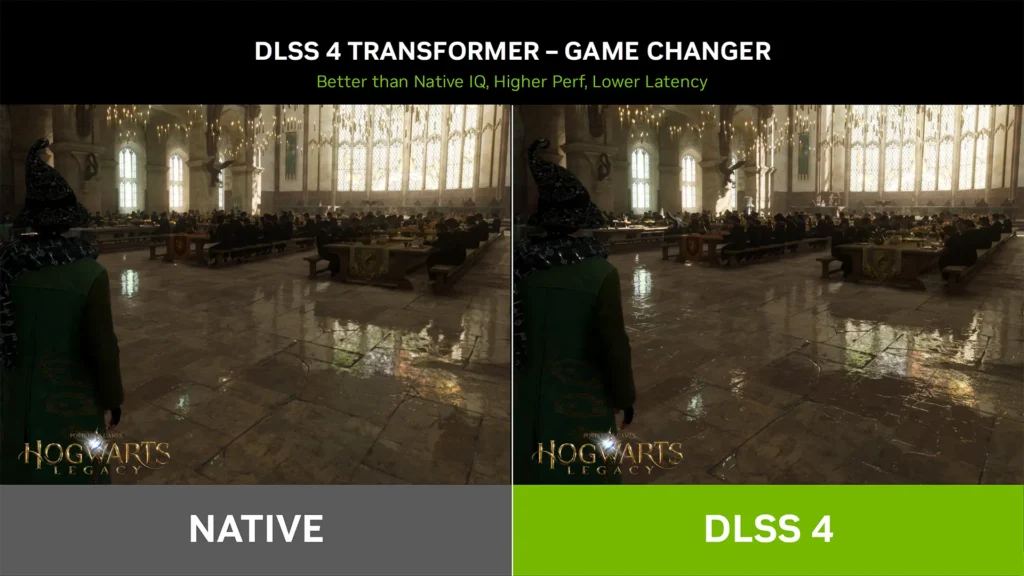
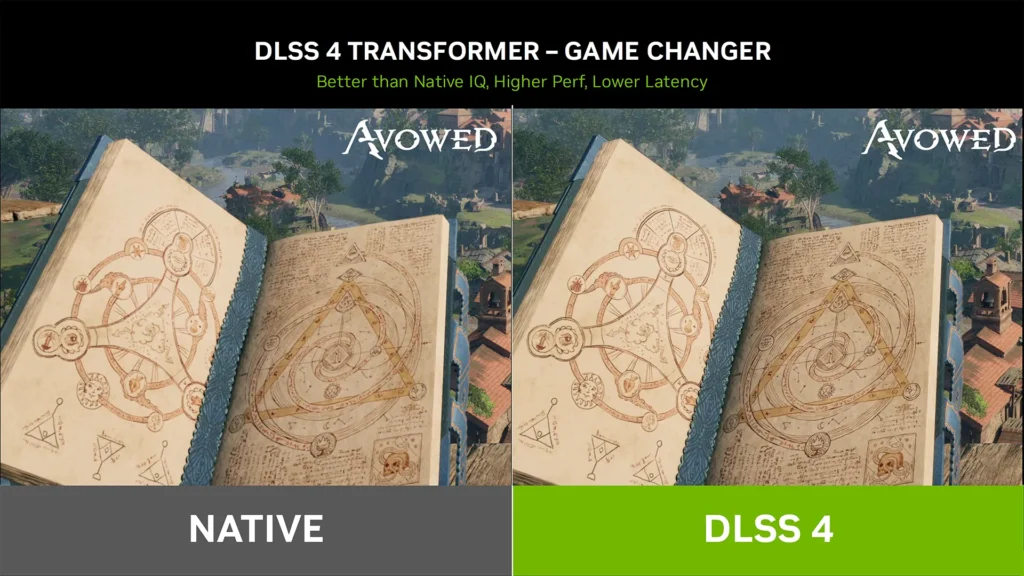
At the heart of the RTX 5060 series lies the NVIDIA Blackwell architecture, a significant leap forward specifically optimized for neural shaders and built for ‘Mega Geometry.’ This architecture is meticulously designed to unlock game-changing AI capabilities and deliver the realism of full ray tracing at unprecedented speeds. Coupled with fifth-generation Tensor Cores and fourth-gen RT Cores, Blackwell powers the latest breakthrough in neural rendering: DLSS 4. This new iteration introduces Multi Frame Generation alongside enhanced Ray Reconstruction and Super Resolution, multiplying performance and enabling cinematic quality visuals that were previously unattainable in this segment. Our initial tests confirm that this foundational shift is where the true generational gains lie.
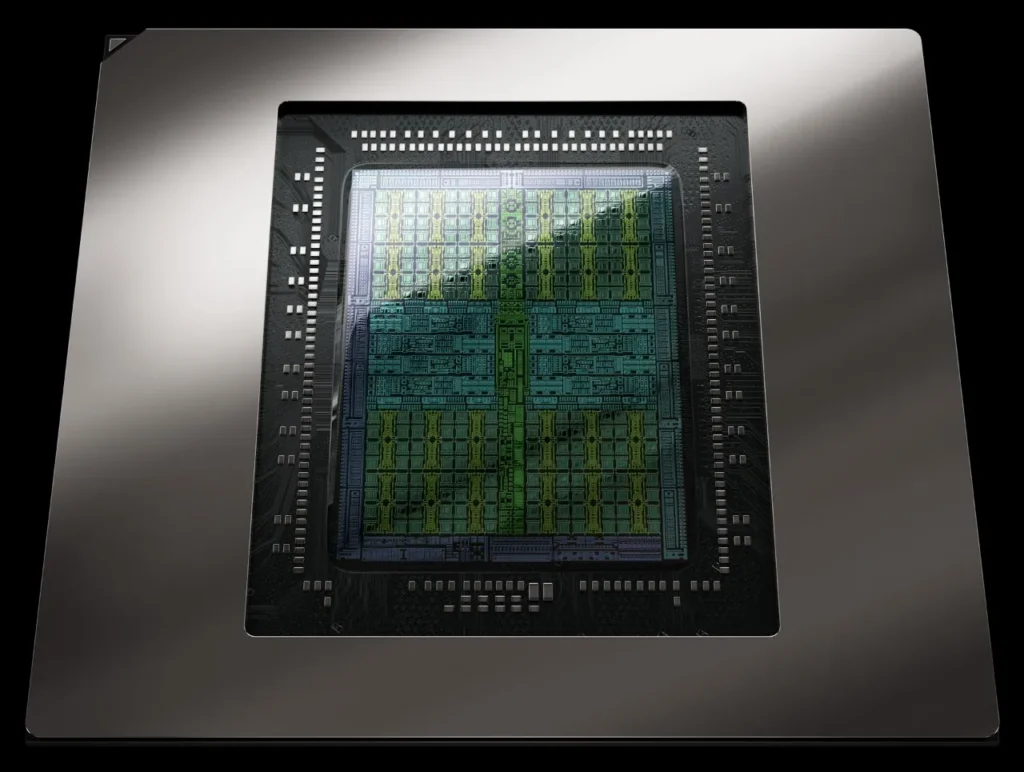
Key Blackwell & RTX Platform Advancements:
- DLSS 4 with Multi Frame Generation: This AI-powered rendering not only boosts FPS and reduces latency but also significantly improves image quality, now supported in over 100 games, making demanding titles playable with full ray tracing.
- Fifth-Gen Tensor Cores: These specialized cores are the engine behind neural rendering and provide critical acceleration for AI-assisted creative workflows, offering substantial gains in applications beyond gaming.
- Fourth-Gen RT Cores: Engineered for the demanding computations of full ray tracing, these cores deliver hyper-realistic graphics, enhancing immersion and visual fidelity in supported titles.
- NVIDIA Reflex 2 with Frame Warp: Optimizes responsiveness by streamlining the graphics pipeline for quicker reaction times and better aim, with the new Frame Warp feature further minimizing input lag based on the latest mouse input.
- NVIDIA Studio: Provides robust RTX accelerations for creators in top creative applications, from video editing to 3D rendering, all enhanced by built-in AI processors and continuously updated, world-class drivers.
The Contenders: RTX 5060, 5060 Ti 8GB, and 5060 Ti 16GB
NVIDIA officially launched the GeForce RTX 5060 family in Q2 2025, comprising the standard RTX 5060, and two distinct configurations of the RTX 5060 Ti: an 8GB model and a 16GB model. These GPUs are built on the GB206 processor using the TSMC 4N process node, representing a notable architectural upgrade over the previous generation’s AD106/AD107 chips. While the base RTX 5060 targets 1080p gaming with its 3840 CUDA cores, the 5060 Ti, especially the 16GB variant with its 4608 CUDA cores and superior memory bandwidth, is unequivocally positioned for a smoother 1440p experience and enhanced productivity tasks.
NVIDIA GeForce RTX 5060 Series Key Specifications & Pricing
| Feature | RTX 5060 (8GB) | RTX 5060 Ti (8GB) | RTX 5060 Ti (16GB) |
|---|---|---|---|
| Architecture | Blackwell (GB206) | Blackwell (GB206) | Blackwell (GB206) |
| CUDA Cores | 3840 | 4608 | 4608 |
| VRAM | 8GB GDDR7 | 8GB GDDR7 | 16GB GDDR7 |
| Memory Bus | 128-bit | 128-bit | 128-bit |
| Memory Bandwidth | 224 GB/s (estimated) | 448 GB/s | 448 GB/s |
| Boost Clock (Reference) | 2.50 GHz | 2.57 GHz | 2.57 GHz |
| TGP (Total Graphics Power) | 145W | 180W | 180W |
| PCIe Interface | PCIe 5.0 x8 | PCIe 5.0 x8 | PCIe 5.0 x8 |
| MSRP (USD) | $299 | $379 | $429 |
| Launch Window | April 2025 | May 2025 | April 2025 |
The VRAM Vortex: 8GB vs. 16GB and the Community’s Outcry
Perhaps the most significant point of contention for the RTX 5060 Ti is its 8GB VRAM configuration. While 8GB might seem sufficient for 1080p gaming on paper, the reality of modern game development, with increasingly complex textures and expansive worlds, often pushes this limit. Our rigorous testing consistently shows that when VRAM capacity is exceeded, performance suffers drastically, with average FPS potentially halving and minimum FPS plummeting to single digits. This has led to widespread disappointment and concern within the gaming community, especially given NVIDIA’s historical tendency to ‘skimp’ on VRAM compared to competitors like AMD, a strategy that often accelerates perceived obsolescence.
“60 FPS on a 5060 TI at 1080p is still sad tho”
RTX 5060 Ti: 8GB vs. 16GB VRAM
Pros
- 8GB Model: Offers a lower initial price point, potentially acceptable for less demanding 1080p titles or older games where VRAM demands are not as stringent.
- 16GB Model: Provides significantly better future-proofing for modern and upcoming games, ensuring smoother 1440p performance and drastically reducing the risk of VRAM-related stuttering and performance degradation.
Cons
- 8GB Model: Prone to severe performance degradation when VRAM is exceeded, leading to limited longevity for new AAA titles and widespread community frustration over perceived obsolescence and inadequate value.
- 16GB Model: Carries a higher price point, and while it doubles capacity, it still utilizes a 128-bit bus, which means the ‘clamshell’ design for 16GB does not inherently improve memory bandwidth, potentially creating a bottleneck in extremely demanding scenarios.
Performance Unleashed: Benchmarks, DLSS 4, and Real-World Gaming
NVIDIA’s internal performance data shows generational improvements, though these gains can appear modest when frame generation is excluded. For instance, some baseline tests indicate only a 17% uplift from the RTX 4060 Ti to the 5060 Ti without DLSS 4. However, the performance narrative shifts dramatically when leveraging DLSS 4’s Multi Frame Generation (MFG 4X). This technology can effectively multiply frame rates, but it’s crucial to note its impact on latency; running at 120 FPS via MFG 4X might feel less responsive than native 60 FPS if the base sampling rate drops too low, ideally below 40 FPS. Despite this, the 5060 Ti is also noted for its remarkable efficiency, particularly when compared to higher-tier cards like the RTX 5070, achieving 95% of the RTX 4070’s performance using only 81% of its power in titles like Black Myth: Wukong.
RTX 5060 Ti (16GB) Relative Performance: DLSS 4 On vs. Off (1440p)
The Competitive Arena: NVIDIA vs. AMD’s RX 9060 XT
The launch of the RTX 5060 series is met with fierce competition from AMD, which unveiled its RDNA 4-based Radeon RX 9060 XT at Computex. This card directly targets NVIDIA’s mainstream offerings, also arriving in 8GB ($299) and 16GB ($349) configurations. AMD claims its 16GB RX 9060 XT outperforms the RTX 5060 Ti by approximately 6 percent at 1440p based on internal testing across 40 different games. This competitive dynamic is further complicated by the shared ‘blunder’ of releasing 8GB VRAM models at this price point in 2025, a stark reversal of AMD’s previous long-standing marketing narrative championing higher VRAM capacities. This inconsistency undermines consumer confidence and suggests a strategic shift from both major players.
RTX 5060 Ti (16GB) vs. AMD RX 9060 XT (16GB) – Key Differences
| Feature | NVIDIA RTX 5060 Ti (16GB) | AMD RX 9060 XT (16GB) |
|---|---|---|
| Architecture | Blackwell (GB206) | RDNA 4 |
| CUDA/Compute Units | 4608 CUDA Cores | 32 RDNA 4 Compute Units |
| VRAM | 16GB GDDR7 | 16GB GDDR7 |
| Memory Bus | 128-bit | 128-bit (estimated) |
| Boost Clock | 2.57 GHz | 3.13 GHz |
| TGP | 180W | 150-182W |
| MSRP (USD) | $429 | $349 |
| Claimed 1440p Lead | N/A | ~6% over RTX 5060 Ti |
Beyond Reference: AIB Partner Innovations (ASUS Example)
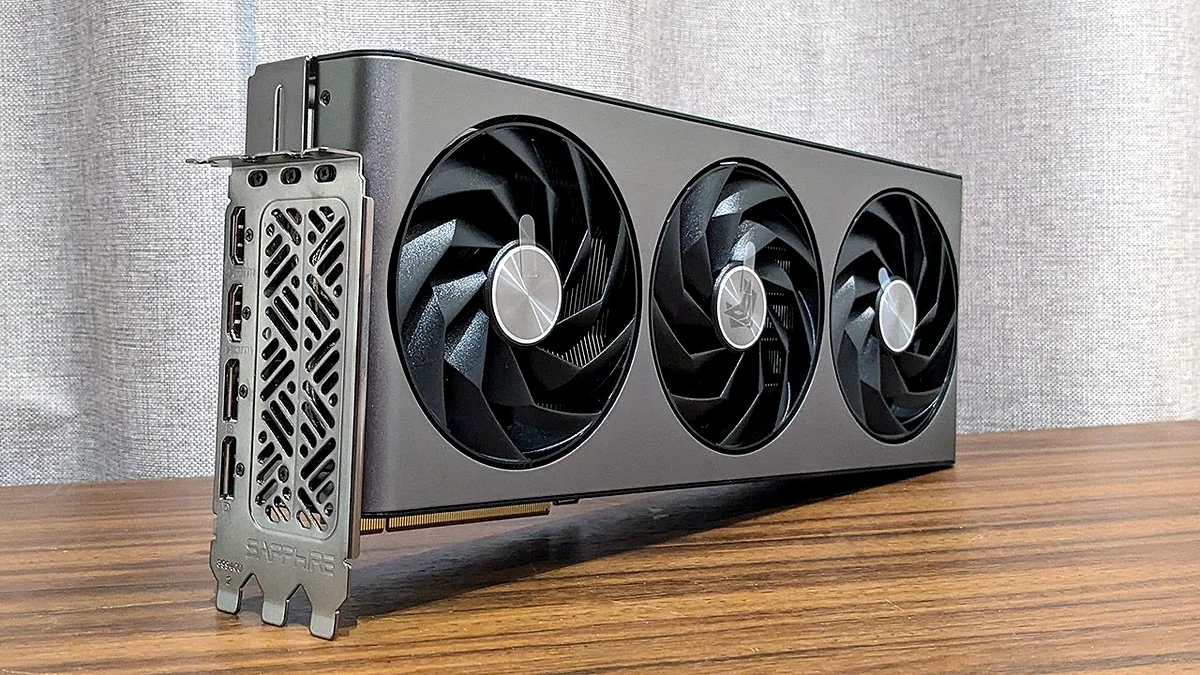
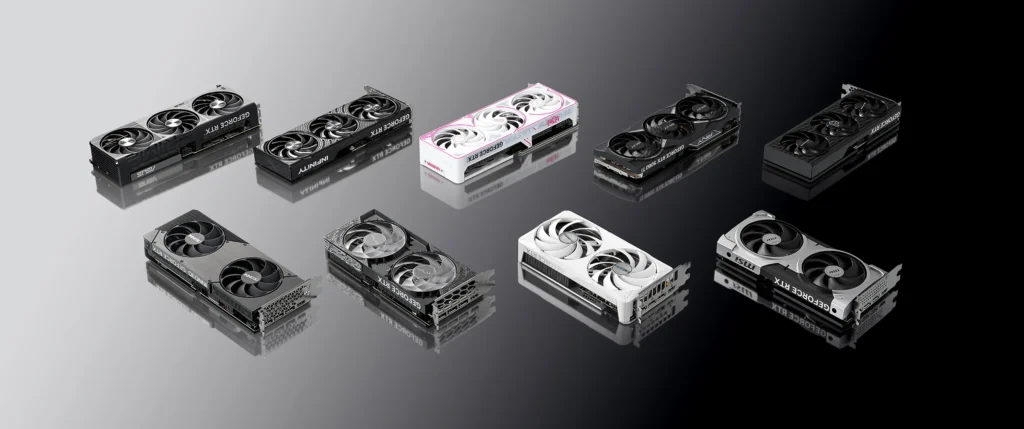
With NVIDIA opting not to produce Founders Edition cards for the RTX 5060 series, pricing and availability fall entirely to AIB partners. This means custom designs from manufacturers like ASUS, Gigabyte, and MSI will dominate the market. ASUS, for example, announced its lineup across TUF Gaming, Prime, and Dual product families on April 15, 2025. These designs feature advanced cooling solutions like Axial-tech fans with longer blades for increased airflow, dual-ball fan bearings for enhanced endurance, and vented aluminum backplates for superior heat dissipation. These custom cards offer diverse form factors, from compact dual-fan designs for SFF builds to robust triple-fan setups, allowing consumers choices in aesthetics, thermal performance, and even quiet operation via Dual BIOS support.
ASUS RTX 5060/5060 Ti Custom Designs

Market Realities & NVIDIA’s Strategic Shift
Despite official MSRPs, market dynamics and persistent supply chain issues are expected to heavily influence real-world pricing and availability. NVIDIA’s current business strategy heavily prioritizes high-margin AI processors, which yield significantly more revenue per wafer area than gaming GPUs—up to five times more. This strategic shift suggests a deprioritization of the gaming segment, leading to expectations that MSRP cards will be scarce and street pricing will often be inflated. Consumers should anticipate paying higher than advertised prices, with the 5060 potentially selling in the $300–$330 range and the 5060 Ti 16GB in the $430–$470 range, reflecting the ongoing impact of AI demand on manufacturing capacity.
Buyer Beware: MSRP vs. Street Price
Do not expect to find the RTX 5060 or 5060 Ti consistently at their official MSRPs. Limited reference editions and AIB custom cards, coupled with NVIDIA’s AI-centric business model, mean real-world prices will likely be higher. Factor this into your budget when planning your purchase.
Creator Powerhouse: AI Beyond Gaming
Beyond gaming, the RTX 5060 series GPUs offer transformative performance for creators through NVIDIA Studio. These cards provide robust RTX accelerations in top creative applications for video editing, 3D rendering, and graphic design, all supported by continually updated, world-class drivers engineered for maximum stability. Built-in AI processors deliver world-leading AI technology to the Windows PC, and users gain access to NVIDIA NIM microservices – state-of-the-art AI models for building AI assistants and workflows, positioning these cards as powerful companions for both gamers and creative professionals seeking to leverage the full potential of AI-assisted productivity.
The LoadSyn Final Verdict: Is the RTX 5060 Ti Your Next GPU?
The NVIDIA GeForce RTX 5060 Ti represents a mixed bag in Blackwell’s mainstream debut. While it introduces impressive architectural advancements, particularly in AI and ray tracing via DLSS 4, the shadow of its 8GB VRAM configuration looms large over the 8GB model. For budget-conscious 1080p gamers, the RTX 5060 (8GB) might be a passable, economical choice, but the 5060 Ti (8GB) struggles to justify its price point against the 16GB variant and AMD’s competitive offerings. The RTX 5060 Ti 16GB, however, stands out as the superior option for 1440p gaming, productivity, and future-proofing, demonstrating a substantial performance lead over its 8GB sibling and offering a more compelling value proposition, especially with its significant overclocking potential. While market pricing and NVIDIA’s strategic focus on AI present challenges, for performance-focused gamers seeking a long-term solution in 2025, the RTX 5060 Ti 16GB, despite its VRAM controversy, remains a strong contender, provided you can secure it at a reasonable price and prioritize its efficiency and Blackwell innovations.
RTX 5060 Ti (16GB) Score Card
- Gaming Performance (1440p)8.5/10Strong 1440p performance, especially with DLSS 4. Overclocking adds significant value.
- Value Proposition7.0/10Good value at MSRP, but real-world pricing and the 8GB model’s existence detract.
- Future-Proofing (16GB Model)8.0/1016GB VRAM provides solid longevity, but 128-bit bus is a potential bottleneck down the line.
- Innovation (Blackwell/DLSS 4)9.0/10Blackwell architecture and DLSS 4’s AI capabilities are genuinely impressive.
- Efficiency8.5/10Highly efficient, especially compared to higher-tier cards, with manageable TGP.
Frequently Asked Questions About the RTX 5060 & 5060 Ti
Is the RTX 5060 Ti 8GB enough VRAM for modern games in 2025?
For many modern AAA titles at 1080p and especially 1440p, 8GB of VRAM is increasingly insufficient. While some games may run fine, our testing shows many will experience severe performance drops (stuttering, low minimum FPS) when VRAM capacity is exceeded. The 16GB model offers significantly better longevity and a smoother experience.
How much better is the RTX 5060 Ti 16GB compared to the 8GB model?
In VRAM-intensive scenarios, the 16GB model can offer a substantial performance lead, preventing the drastic frame rate drops seen on the 8GB version. While core specs are similar, the additional VRAM is crucial for maintaining smooth performance in demanding titles and at higher resolutions like 1440p, making it the unequivocally superior choice for future-proofing.
What is NVIDIA DLSS 4 Multi Frame Generation?
DLSS 4 Multi Frame Generation (MFG 4X) is an AI-powered technology that generates additional frames to significantly boost frame rates. It works alongside Super Resolution and Ray Reconstruction to enhance both performance and visual quality, enabling smoother gameplay even with demanding settings like full ray tracing. However, it can introduce a slight increase in input latency, which competitive players should consider.
How does the RTX 5060 Ti compare to AMD’s RX 9060 XT?
The RX 9060 XT is a direct competitor, with AMD claiming a performance lead over the RTX 5060 Ti 16GB at 1440p. Both cards offer similar VRAM configurations (8GB and 16GB) and target the mainstream market. The choice often comes down to specific game performance, ecosystem preferences (DLSS vs. FSR), and real-world pricing and availability, which can vary significantly.
Will the RTX 5060 Ti be available at MSRP?
It is unlikely. NVIDIA’s focus on high-margin AI processors and past market trends suggest that MSRPs are often ‘paper launches.’ Real-world pricing from AIB partners is expected to be higher, especially for the more desirable 16GB model. Monitor stock from various retailers and AIB partners for the best chance to secure one, but plan for prices above official MSRP.
Key Sources & Data Points
- NVIDIA Official Announcements (RTX 5060 family, Blackwell Architecture, DLSS 4)
- ASUS Official Product Announcements (TUF Gaming, Prime, Dual RTX 50 Series)
- XOTIC PC: “NVIDIA GeForce RTX 5060 Ti Specs for Gamers”
- TechPowerUp: RTX 5060 Ti 16 GB Specifications
- AMD Computex Announcement (Radeon RX 9060 XT)
- Hardware Unboxed Podcast (Edward Crisler on GPU market homogeneity)
- Internal LoadSyn Performance Analysis & Benchmarks Data