

🔑 Key Takeaways for PC Builders
- The current DDR5/DDR4 price inflation (up to 172% YoY) is not a normal cycle; it’s a structural shift driven by the AI Supercycle.
- Memory manufacturers (Samsung, SK Hynix, Micron) are aggressively prioritizing High Bandwidth Memory (HBM) for AI infrastructure due to 47%+ profit margins.
- This HBM prioritization is starving the consumer market of wafer capacity, guaranteeing high prices until at least mid-2027.
- Tactical Advice: DDR4 remains the superior value proposition. Delay all DDR5 upgrades unless building a top-tier system for competitive 1080p gaming.
The New Reality: Why Your RAM Kit Costs More Than Your CPU
The past year has delivered a harsh lesson to PC builders: the age of predictable, cheap memory upgrades is over. What began as a minor price correction has exploded into a full-blown crisis, with some popular 32GB DDR5 kits nearly tripling in price since the start of the year. This isn’t a simple, temporary shortage; it’s a fundamental structural reshaping of the global memory market, where the exponential needs of AI data centers now dictate the cost and availability of consumer components. We are no longer dealing with a cyclical downturn; we are now paying the long-term “AI Memory Tax.”
Patriot viper venom was $125 for 32GB CL30 6000MHz about 8 months ago. Now the same memory is $180. Edit: as of right now the same RAM kit is $300.
Section I: The Structural Shift – HBM is Starving the Consumer Market
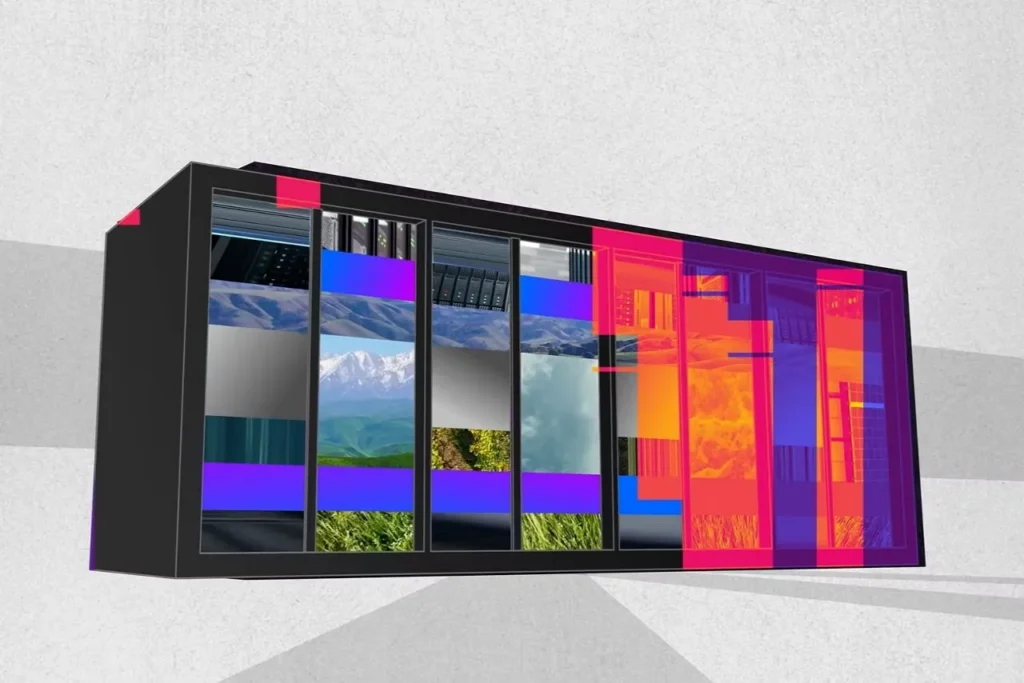
The core of the problem lies in High Bandwidth Memory (HBM). HBM is a specialized, vertically stacked DRAM designed specifically for AI training GPUs. Because HBM is significantly more profitable, offering margins exceeding 40%, and consumes exponentially more wafer space per gigabit than commodity DDR5, manufacturers are forced to divert capacity. This redirection—driven by massive, price-inelastic demand from hyperscalers like Nvidia and Microsoft—has fundamentally eliminated the supply buffer for standard consumer memory. The consequence is simple: every available wafer is being used for high-margin enterprise products, leaving the consumer sector starved and volatile.
Memory Manufacturer Allocation Priorities (2026)
| Memory Type | Profit Margin/Wafer | Supply Status | Primary Buyer |
|---|---|---|---|
| HBM3E/HBM4 | Highest (40%+) | Sold Out (SK Hynix 2026 capacity gone) | AI/Hyperscalers (Nvidia, Microsoft) |
| High-Density DDR5 (Server) | High (30%+) | Tight/Delayed Delivery | Cloud Service Providers (CSPs) |
| Standard DDR5 (Consumer) | Medium/Volatile | Severe Shortage/High Price | PC Builders/OEMs |
| DDR4 (Legacy) | Low/Phasing Out | Scarce/High Price due to redirection | Budget Builders/Industrial |
Section II: The Financial Proof – Record Profits and the Micron Pivot
Key Financial Indicators of the AI Supercycle
- DRAM Spot Price Increase (YoY)
- 172%
- SK Hynix Q3 2025 Operating Profit Margin
- 47% (Exceeding 10 Trillion Won)
- Micron FY2025 Revenue Projection
- $37.4 Billion (49% YoY Increase)
- Micron Data Center/AI Sales Share
- 56% of Total Revenue
- Micron Consumer Brand Exit
- Crucial brand discontinued by Feb 2026
Section III: Tactical Survival Guide – How to Handle Your Upgrade Budget
DDR4 vs. DDR5 Value Proposition (Current Market)
| Cost (32GB Kit) | Performance Delta (Gaming) | Availability Risk | Value Rating | |
|---|---|---|---|---|
| DDR4 (High-Speed) | Low (40% less than equivalent DDR5) | Negligible at 1440p/4K | Moderate (Phasing out, but widely stocked) | Excellent |
| DDR5 (Mid-Range) | Extremely High | Significant only at high-refresh 1080p | Severe (Prices highly volatile) | Poor |
Critical Warning: The Supply Timeline
Analysts predict that the current supply imbalance will not stabilize until new fabrication plants (fabs) come online, which is projected for mid-2027 at the earliest. Do not expect significant price drops or a return to normal cyclical behavior before this date. If you need a new system now, prioritize a high-end CPU/GPU on a cost-effective DDR4 platform (like AM4 or a budget LGA 1700 board) to maximize immediate gaming value and avoid paying the premium for marginal DDR5 gains.
Should You Buy DDR5 RAM Today?
✅ Pros
- Future-proofs your platform for next-gen CPUs.
- Necessary for absolute maximum FPS in CPU-bound games (e.g., competitive 1080p).
❌ Cons
- Massive price premium (The AI Tax).
- High risk of buying aged inventory due to component hoarding by OEMs.
- Performance uplift is often negligible at standard gaming resolutions (1440p/4K).
Final Verdict
The memory market is no longer driven by the gamer; it’s driven by the AI hyperscaler. This structural shift means that the historical ‘Moore’s Law’ expectation of cheaper, faster memory is temporarily suspended. For PC gamers, the definitive analysis is clear: until mid-2027, DDR4 offers the best price-to-performance ratio. Focus your budget on the GPU, and let the enterprise sector pay the “AI Memory Tax” for now. LoadSyn advises delaying all non-essential DDR5 upgrades and defensively utilizing existing DDR4 platforms.
Frequently Asked Questions
Will a consumer boycott of RAM help lower prices?
No. The demand driving the shortage is industrial (AI data centers), not consumer retail. The financial incentives are so heavily skewed toward HBM and server DDR5 that a consumer boycott would have minimal impact on the pricing floor set by massive enterprise contracts.
What is LPDDR5 and why is Nvidia using it in data centers?
LPDDR5 (Low-Power DDR) is traditionally used in mobile devices. Nvidia is pivoting to it for AI inference workloads due to its superior energy efficiency. This pivot creates new, intense competition for LPDDR5, placing Nvidia as a major customer alongside Apple and Samsung, potentially impacting smartphone and laptop memory supply next.
If I buy a pre-built PC, will the RAM price hike affect me?
Yes, but often less directly. OEMs like Lenovo and Acer are aggressively stockpiling components to secure inventory through 2026. This means pre-builts may offer better short-term value than buying components individually, though the overall system price will still reflect the higher component cost and the internal memory configurations may be slightly older generation.