
The New Era of Intel Gaming: Value & Velocity Defined
The PC hardware landscape is a battlefield of fluctuating prices and evolving technologies. Gamers and creators alike are constantly seeking the sweet spot between raw power and tangible value. This year, Intel is making a bold move on both fronts: introducing the highly anticipated Battlemage Arc B-Series GPUs to challenge the budget graphics market, while its flagship Core i9-14900K continues to dominate the high-end CPU space. In this definitive guide, we dissect these crucial components, analyze their performance, and craft optimal build strategies to help you navigate the market and build your next dream machine. Our aim is to cut through the noise, providing validated insights that address the community’s pressing concerns about escalating component costs and the desire for specific, performance-driven recommendations.
Your Essential Intel Hardware Briefing
- Intel Battlemage Arc B580 & B570 GPUs: New contenders offering compelling performance and crucial VRAM at budget-friendly price points.
- Core i9-14900K Analysis: A deep dive into Intel’s current desktop CPU king for ultimate gaming and productivity.
- XeSS 2.0 Unpacked: Frame Generation and Low Latency features are coming to all Arc GPUs, enhancing performance across the board.
- Optimized Build Paths: Tailored CPU/GPU combinations to maximize performance for various budgets and use cases.
- Navigating Market Realities: Practical advice on component synergy and addressing current price concerns for RAM and SSDs.
Battlemage Unleashed: Intel’s Arc B580 & B570 Arrive
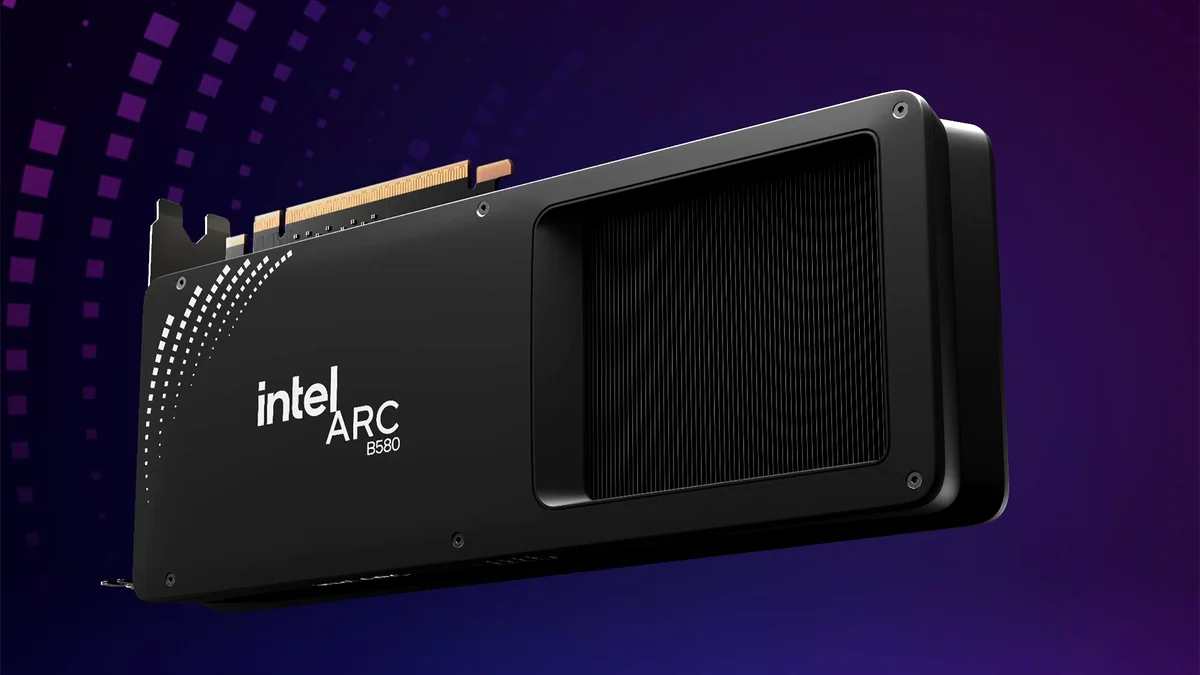
After much anticipation, Intel’s second-generation Arc B-Series ‘Battlemage’ GPUs are here, aiming to redefine the budget and mainstream graphics card segments. The Arc B580 and B570 are designed to deliver strong performance, improved efficiency, and next-gen features like enhanced AI upscaling (XeSS 2.0) at highly competitive price points. This launch is particularly significant given the community’s concerns about persistently high GPU costs, offering a fresh and powerful alternative in a crowded market where value often feels elusive. Intel’s goal with the Arc B-Series is clear: to deliver performance and affordability, empowering gamers and DIYers with more choice.
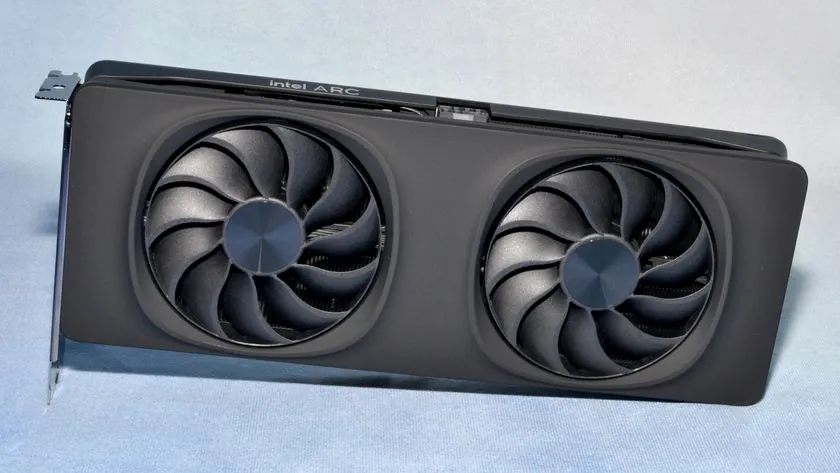
Intel Arc Battlemage B580 & B570 Key Specifications
| Feature | Arc B580 | Arc B570 |
|---|---|---|
| Launch Price | $249 (Intel Reference), $269.99 (Sparkle TITAN OC) | $219 (Intel Reference), $229.99 (Sparkle GUARDIAN OC) |
| Xe-Cores | 20 | 18 |
| VRAM Capacity | 12GB GDDR6 | 10GB GDDR6 |
| VRAM Bus Width | 192-bit | 160-bit |
| Memory Speed | 19 Gbps | 19 Gbps |
| Memory Bandwidth | 456 GB/s | 380 GB/s |
| Max Boost Clock | 2850 MHz (Intel), 2740 MHz (Sparkle OC) | 2750 MHz (Intel), 2660 MHz (Sparkle OC) |
| TBP (Total Board Power) | 190W | 150W |
| Process Technology | TSMC N5 | TSMC N5 |
| Interface | PCIe 4.0 x8 | PCIe 4.0 x8 |
Source: Data compiled from Tom’s Hardware, Guru3D, and Sparkle announcements.
Battlemage B580 vs. Competition (1440p Gaming)
| Metric | Arc B580 (vs. A750) | Arc B580 (vs. RTX 4060) |
|---|---|---|
| Performance Uplift (Average) | +24% (47-game suite) | +10% (47-game suite, without upscaling) |
| Performance Range (vs. A750) | 0% (CPU-limited) to +78% (Fortnite) | -17% to +43% |
| VRAM Advantage | 12GB vs 8GB | 12GB vs 8GB |
| Power Efficiency (vs. A750) | 24% more performance, 16% less power | N/A (B580: 190W, 4060: 115W typical) |
Source: Intel’s internal testing vs. RTX 4060, and Tom’s Hardware hierarchy vs. Arc A750.
Pros
- Exceptional Value: Strong performance at ~$250-$270 for the B580.
- Generous VRAM: 12GB (B580) and 10GB (B570) exceed competitors.
- XeSS 2.0 Features: Includes Frame Generation and Low Latency.
- Improved Architecture: Xe2 microarchitecture offers performance per watt gains.
- Advanced AI Capabilities: Dedicated XMX engines for acceleration.
- Comprehensive Media Engine: Dual transcoders and AV1 support.
Cons
- Driver Maturity: Potential early optimization challenges.
- PCIe 4.0 x8 Interface: Minor bottleneck potential on older platforms.
- Availability: Initial stock and distribution may vary.
- Power Consumption (B580): 190W TBP is higher than RTX 4060.
XeSS 2.0: The AI-Powered Performance Boost
Intel XeSS (Xe Super Sampling) was already a strong contender in the AI upscaling arena, and with XeSS 2.0, it’s taking a significant leap forward. This updated suite introduces XeSS-FG (Frame Generation) and XeSS-LL (Low Latency), bringing Intel’s offering closer to NVIDIA’s DLSS 3 in terms of features. XeSS-FG interpolates frames to boost frame rates, while XeSS-LL works to mitigate the input lag often associated with frame generation, ensuring a smoother and more responsive gaming experience. Crucially, XeSS-FG will run on all Arc GPUs, leveraging their dedicated XMX cores for optical flow reprojection, a key advantage that maximizes the utility of this performance-enhancing technology across the entire Arc lineup. This focus on optimization science and AI tech is a cornerstone of Intel’s strategy, demonstrating tangible benefits for gamers.
The Raptor Lake Refresh: Intel Core i9-14900K
While Battlemage targets the value segment, Intel’s Core i9-14900K remains a powerhouse for those seeking uncompromising performance in gaming, content creation, and heavy multitasking. As the flagship of the 14th Gen Raptor Lake Refresh, it boasts an impressive core count and blistering clock speeds, making it a go-to for enthusiasts and professionals who demand the absolute best. This processor is highly regarded for its extreme performance and overclocking capabilities. However, this raw power comes with its own set of considerations, particularly regarding power consumption and thermal management, which are critical factors for maintaining optimal performance and system longevity.
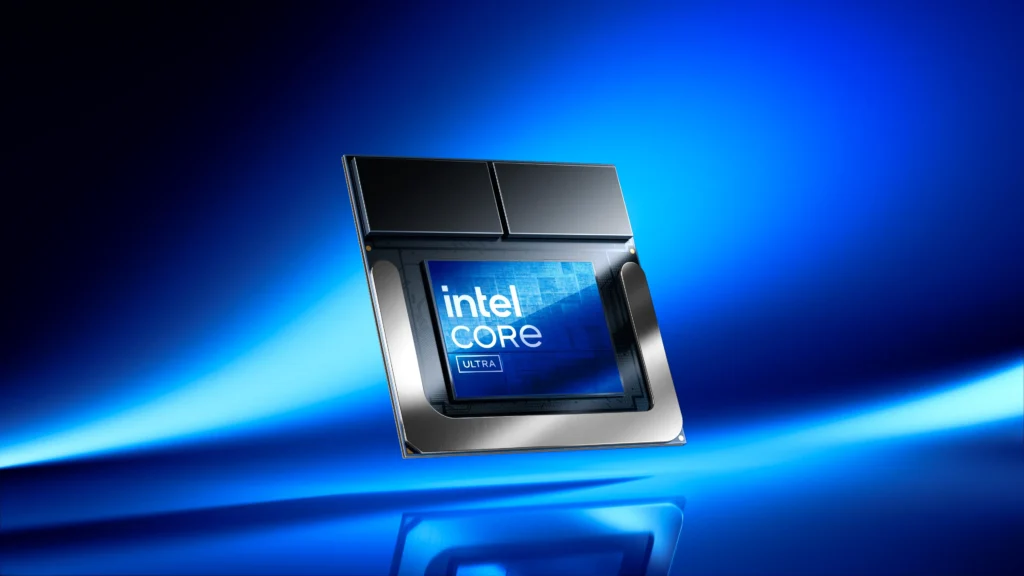
Intel Core i9-14900K Key Specifications
| Feature | Core i9-14900K |
|---|---|
| Total Cores (P+E) | 24 (8 P-cores + 16 E-cores) |
| Total Threads | 32 |
| Max Turbo Frequency | 6.0 GHz |
| Performance-core Base/Max Turbo Frequency | 3.2 GHz / 5.6 GHz |
| Efficient-core Base/Max Turbo Frequency | 2.4 GHz / 4.4 GHz |
| Intel Smart Cache (L3) | 36 MB |
| Total L2 Cache | 32 MB |
| Processor Base Power (PBP) | 125 W |
| Maximum Turbo Power (MTP) | 253 W |
| Integrated Graphics | Intel UHD Graphics 770 |
| Memory Types Supported | DDR5-5600, DDR4-3200 |
| Socket | LGA 1700 |
Source: Data compiled from Avadirect, OCinside.de, and Provantage product pages.
Core i9-14900K vs. Core i9-14900 (Key Differences)
| Feature | Core i9-14900K | Core i9-14900 |
|---|---|---|
| Launch Price (MSRP) | $589 | $549 |
| Power Consumption (TDP) | 125 Watt | 65 Watt |
| Boost Clock Speed | 5.8 GHz | 5.6 GHz |
| Base Clock Speed | 3.2 GHz | 2 GHz |
| Unlocked Multiplier | Yes | No |
Source: Data from Technical.city comparison.
Intel Core i9-14900K vs. i9-14900: Performance Overview
Source: Aggregate performance score from Technical.city benchmark results. Score based on relative higher-is-better metric.
Pros
- Unmatched Raw Performance: Best-in-class for gaming.
- Overclocking Potential: Unlocked multiplier for enthusiasts.
- Hybrid Architecture: Efficiently handles diverse workloads.
- Integrated Graphics: UHD 770 for Quick Sync Video.
- Future-Proof Platform: Supports DDR5 and PCIe 5.0.
Cons
- High Power Consumption: MTP up to 253W.
- Significant Heat Output: Requires high-end cooling solutions.
- Premium Price Point: Significant investment required.
- Modest Generational Leap: Incremental gains over 13900K.
Building Your Dream Rig: Synergy & Budgeting
The true art of PC building lies in component synergy – ensuring your CPU and GPU work harmoniously with your memory, storage, and cooling. With the new Intel Arc B-Series GPUs and the formidable i9-14900K, we can craft optimized builds for various budgets and purposes, directly addressing the community’s demand for validated combinations. The current market, unfortunately, also brings concerns about RAM and SSD prices, making strategic choices even more vital.
This video offers practical, budget-focused CPU and GPU combinations for productivity and gaming.
Recommended Intel-Centric Build Paths (CPU & GPU Synergy)
- The Budget-Conscious Gamer (~$700-900 PC): Ideal for 1080p high refresh rate gaming.
CPU: Intel Core i5-12400F | GPU: Intel Arc B570 (10GB) or B580 (12GB) | Memory: 16GB DDR4-3200 | Storage: 1TB NVMe SSD. - The Mid-Range Productivity & Gaming Powerhouse (~$1200-1500 PC): Perfect for 1440p gaming.
CPU: Intel Core i7-14700K | GPU: Intel Arc B580 (12GB) or RTX 4060 Ti (16GB) | Memory: 32GB DDR5-6000MHz | Storage: 2TB Gen4 NVMe SSD. - The High-End Enthusiast & Creator Rig (~$2000+ PC): For uncompromised 4K gaming.
CPU: Intel Core i9-14900K | GPU: NVIDIA RTX 4080 SUPER / 4090 | Memory: 64GB DDR5-6400+MHz | Storage: 2TB Gen4/Gen5 NVMe SSD.
Pro-Tip: Don’t Skimp on Cooling for the i9-14900K!
The Intel Core i9-14900K’s maximum turbo power (MTP) of 253W means it can get hot. Invest in a high-quality 360mm AIO liquid cooler or a top-tier air cooler. Thermal throttling can significantly impact your performance, negating the benefits of such a powerful CPU.
Your Questions Answered: Navigating the Current Market
“par mae to ryzen 7 7700 + intel arc b580 liya hae (productivity + gaming ke liye) ddr 5 16*2 6000mhz psu cx 750 😫 Kya mene galti ki?”
Community Q&A: Addressing Your CPU/GPU Concerns
I bought a Ryzen 7 7700 + Intel Arc B580 for productivity + gaming. Was this a mistake?
Absolutely not! The Ryzen 7 7700 is an excellent 8-core CPU. Paired with the new Intel Arc B580 (12GB VRAM), you have a very capable mid-range system. Your DDR5-6000MHz RAM is also a sweet spot for Ryzen 7000 processors. It’s a solid, balanced build.
What about the ‘ssd & RAMS price hike 200%’? How can I build on a budget?
For budget builds, look for sales on DDR4 platforms if you’re not targeting top-tier performance. For SSDs, prioritize a smaller, faster NVMe drive (500GB-1TB) for your OS and main games, and complement it with a larger, more affordable SATA SSD for bulk storage.
Sir, can you recommend a gaming-specific combination for the new Intel Arc GPUs?
For 1080p high-refresh gaming, an Intel Core i5-13600K paired with the Intel Arc B580 (12GB) is an excellent combination. The B580 delivers competitive frame rates with ample VRAM, a significant advantage over many 8GB competitors.
Intel’s Strategic Move: Value and Performance for Every Gamer
Intel’s latest hardware releases signal a clear strategy to capture both the value-conscious and enthusiast segments of the PC market. The Battlemage Arc B580 and B570 GPUs are a much-needed injection of competition, offering excellent VRAM and compelling performance at prices that directly challenge existing budget options. Coupled with the significant advancements in XeSS 2.0, they represent a strong contender for anyone building a new gaming rig on a tighter budget, providing crucial frame generation and low-latency features. Meanwhile, the Core i9-14900K continues to be a top-tier choice for those demanding the absolute best in CPU performance, albeit with careful consideration for cooling. By understanding the strengths of these components and how they synergize within a balanced build, gamers and creators can make confident, data-backed decisions even in a challenging market, ensuring their investment delivers optimal value and velocity.