
The AM5 Value Voyage: Charting a Course Through the DDR5 RAM Storm
The allure of AMD’s AM5 platform is undeniable. With the promise of next-generation Ryzen 7000 and the upcoming 9000 series CPUs, blazing-fast PCIe 5.0 support for both graphics cards and storage, and AMD’s commendable commitment to socket longevity extending through 2027 and beyond, it represents a compelling vision for future-proof PC gaming. This is the ecosystem where innovation thrives, where raw power meets cutting-edge connectivity. Yet, for many eager builders, this vision is currently overshadowed by a harsh reality: the skyrocketing cost of DDR5 RAM. What was once an exciting upgrade path has become a painful ‘RAMpocalypse,’ turning the dream of an affordable AM5 build into a frustrating, often elusive, quest. The community’s sentiment is clear: the barrier to entry feels higher than ever, and the value proposition, once so strong, is being eroded by memory prices that seem to defy gravity.
“Whelp….. 3 weeks later and this is now a $1300 build and climbing.”
Key Insights
- The underlying reasons behind the current DDR5 RAM pricing crisis.
- Identifying the best value AM5 motherboard choices, with a keen focus on the B650 chipset.
- Expert strategies for optimizing component pairings to maximize performance without breaking the bank.
- Actionable tactics to combat the high cost of DDR5 memory.
- A forward-looking perspective on when DDR5 pricing might finally stabilize.
The DDR5 Dilemma: Why AM5 Builds Feel So Expensive Right Now
The current state of DDR5 RAM pricing isn’t merely a minor fluctuation; it’s a full-blown market phenomenon, dubbed by some as the “RAMmageddon” and a precursor to a broader “Product Winter.” Industry forecasts are grim, with some executives bracing for prolonged periods of high costs. This situation disproportionately affects the AM5 platform because, unlike Intel’s offerings that bridge both DDR4 and DDR5, AMD’s Ryzen 7000 and 9000 series CPUs are exclusively designed for DDR5 memory. This architectural mandate means that every AM5 builder is directly exposed to the elevated prices, transforming a platform designed for cutting-edge performance into one with a formidable financial barrier to entry. For many gamers, the dream of upgrading to the latest AMD tech is being stalled, or worse, completely derailed, by the sheer cost of the accompanying memory.
“Consumers have a wide assortment of choice available for all kinds of price points that they can buy for this coming year. So yeah, I’m not not too concerned about that.” – Rahul Tikoo, AMD SVP & GM, Client Business Unit
The Sweet Spot: Why DDR5-6000 CL30 is Crucial for AM5 Performance
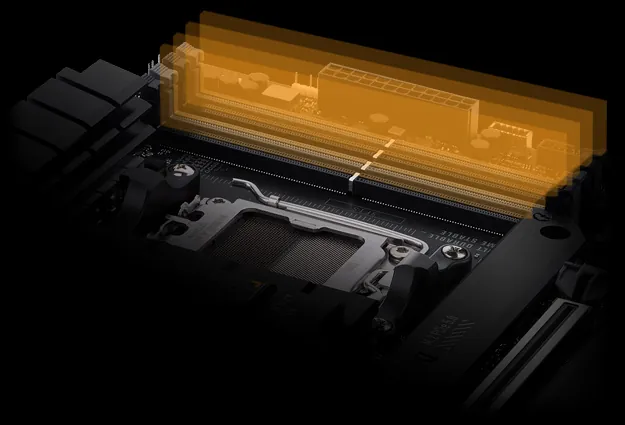
For anyone building an AM5 system, understanding the DDR5 “sweet spot” is paramount. AMD’s Ryzen 7000 and 9000 series CPUs truly come alive with DDR5-6000 CL30 memory. This specific speed and latency combination has been identified by AMD as the optimal configuration for its Zen 4 architecture, offering the best balance of bandwidth and low latency to maximize CPU performance, especially in gaming. Utilizing AMD EXPO (Extended Profiles for Overclocking) technology, these modules are designed for one-click optimization, ensuring your system runs at its peak. Deviating from this sweet spot, whether with slower speeds or higher latencies, can lead to a noticeable drop in real-world performance, leaving valuable frames per second and overall system responsiveness on the table. It’s an investment that directly translates into a superior gaming experience.
AM5 Platform Fundamentals: What You Need to Know
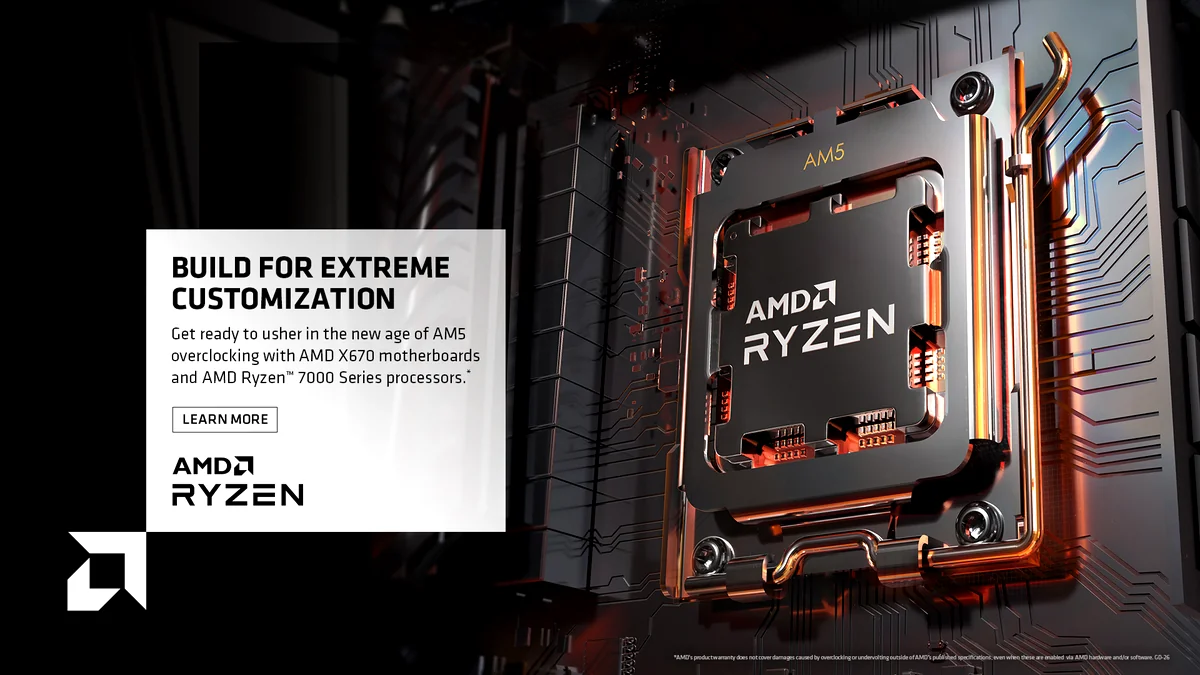
Beyond the current memory challenges, the AM5 platform stands as a robust foundation for next-generation computing. At its heart lies the new LGA 1718 socket, a significant departure from AMD’s traditional PGA design, which allows for enhanced power delivery and future-proofing. This platform ushers in comprehensive PCIe 5.0 support, not just for the primary graphics card slot but also for at least one M.2 NVMe storage slot, offering unparalleled bandwidth for the fastest SSDs available. Critically, AM5 exclusively supports DDR5 memory, a forward-looking decision that, despite current pricing, positions the platform for long-term performance gains. A welcome relief for many builders is the backward compatibility with existing AM4 CPU coolers, saving a potential upgrade cost. Furthermore, AMD has made a strong commitment to AM5 socket longevity, pledging support through at least 2027, ensuring a stable upgrade path for years to come.
| Feature | X670E | X670 | B650 |
|---|---|---|---|
| PCIe 5.0 GPU Support | Yes | Manufacturer Dependent | No |
| PCIe 5.0 Storage Support | Yes | Yes | Yes |
| PCH Design | Dual | Dual | Single |
| Overclocking | Extreme | Enthusiast | Yes |
| Typical Price Tier | Premium | Mid-Range | Value |

B650: The Unsung Hero of Value AM5 Gaming
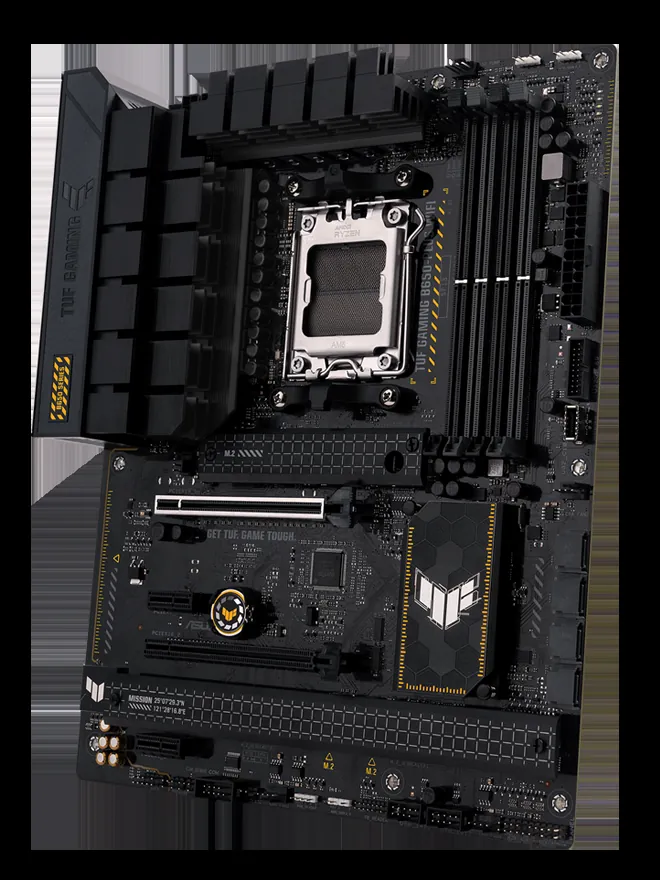
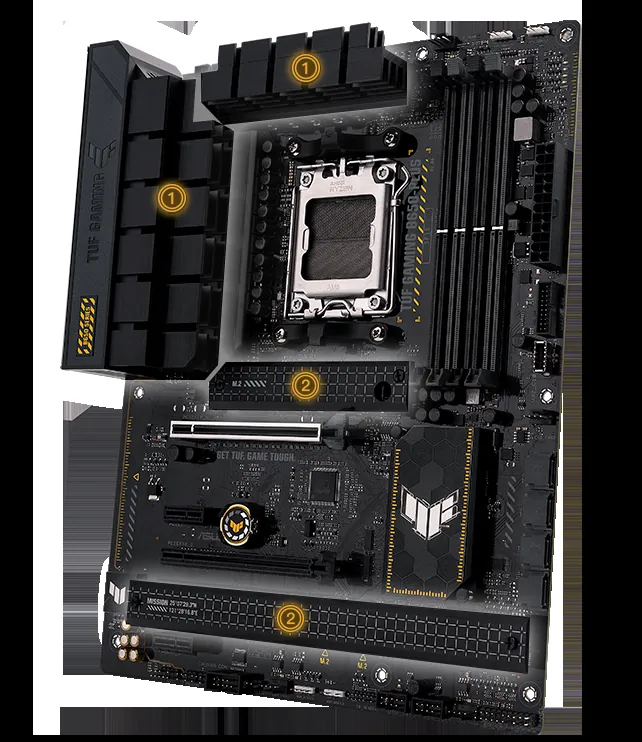
In the quest for an AM5 value build, the B650 chipset emerges as the clear front-runner, offering an optimal balance for most gamers. While the X670E and X670 boards boast extreme features and dual-PCH designs, their premium price tags can be prohibitive. B650 motherboards, like the excellent ASUS TUF GAMING B650-PLUS WIFI or the highly acclaimed ASUS ROG STRIX B650-A GAMING WIFI, provide nearly all the essential performance without the unnecessary expense. These boards typically feature robust power delivery systems, often with 12+2+1 VRM stages rated for 60A per stage, ensuring stable power even for high-end Ryzen CPUs. You’ll also find crucial future-proofing with at least one PCIe 5.0 M.2 slot for ultra-fast storage, comprehensive DDR5 memory support with AMD EXPO profiles, and ample USB connectivity, including high-speed USB 3.2 Gen 2×2 Type-C. Many B650 boards also integrate advanced cooling solutions, 2.5G Ethernet, and WiFi 6E, making them incredibly competitive and feature-rich for their mainstream price point.
Key Specifications: ASUS ROG Strix B650-A Gaming WiFi Motherboard
| Socket | AMD AM5 |
|---|---|
| Chipset | AMD B650 |
| Power Stages | 12 + 2 + 1 (60A per stage) |
| DDR5 Support | 4 x DIMM, up to 6400+ MT/s (OC), AMD EXPO, AEMP |
| PCIe Slots | 1 x PCIe 4.0 x16 (CPU, SafeSlot), 1 x PCIe 4.0 x16 (Chipset), 2 x PCIe 4.0 x1 |
| M.2 Slots | 1 x PCIe 5.0 x4, 2 x PCIe 4.0 x4 (all with heatsinks) |
| USB Connectivity | USB 3.2 Gen 2×2 Type-C (rear), USB 3.2 Gen 2 Type-A/C, USB 2.0, Thunderbolt Header |
| Networking | WiFi 6E, Intel 2.5G Ethernet |
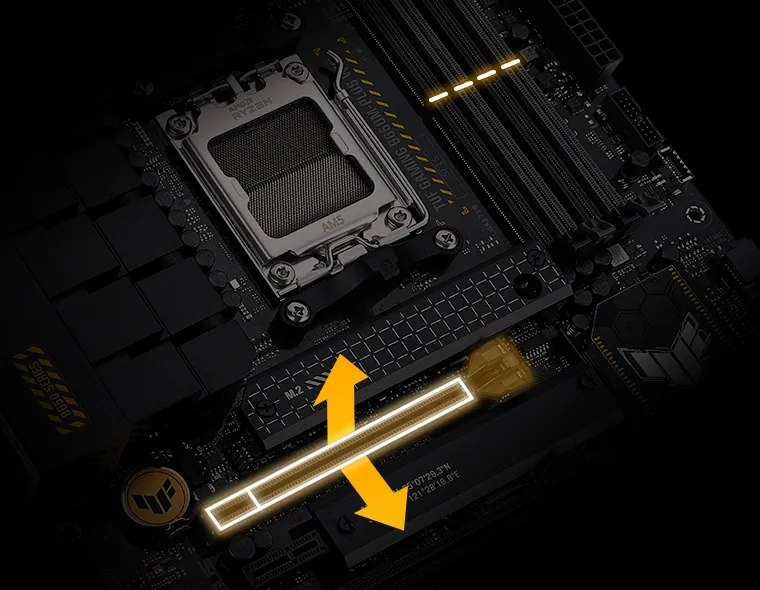
| Unique Features | PCIe Slot Q-Release, M.2 Q-Latch, BIOS FlashBack™, Q-LED |
The Value Proposition (Pros)
- Significantly more affordable than X670/X670E chipsets.
- Includes PCIe 5.0 M.2 support for future-proof storage.
- Robust power delivery (VRMs) suitable for high-end Ryzen CPUs.
- Full support for DDR5 EXPO profiles.
- Benefits from AM5 platform longevity commitment.
- Premium features like Q-Release and WiFi 6E included.
Trade-offs (Cons)
- Typically lacks PCIe 5.0 support for graphics cards.
- Fewer USB ports and advanced I/O than flagship boards.
- Less extreme overclocking headroom for CPU/RAM.
- Fewer M.2 slots overall in most configurations.
Strategic Component Pairing: Maximizing Performance, Minimizing Cost
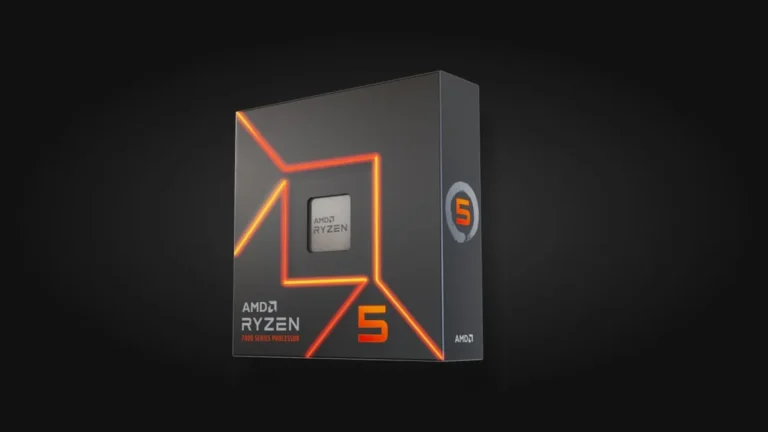
- CPU Choice: For pure gaming value, the Ryzen 5 7600/7600X offers an excellent performance-per-dollar. Consider the 65W Ryzen 7000 Series for their included Wraith coolers, saving on an aftermarket solution.
- RAM Priority: DDR5-6000 CL30 is non-negotiable for optimal AMD EXPO performance. Prioritize this spec, even if it means slightly compromising on CPU tier, to avoid leaving performance on the table.
- Cooler Compatibility: Leverage AM5’s backward compatibility with AM4 CPU coolers. If upgrading from an older AMD system, your existing cooler might save you significant cost.
- Storage Solutions: While PCIe 5.0 M.2 is appealing, a fast PCIe 4.0 NVMe SSD still offers incredible performance for gaming and is often more cost-effective. Use the PCIe 5.0 slot for a future upgrade.
Illustrative Gaming Performance: DDR5 Speed Impact
DDR5-6000 CL30 consistently represents AMD’s ‘sweet spot’ for gaming, offering an optimal balance of speed and latency for the Zen 4 architecture. (Hypothetical Data for Game X on Ryzen 7600X).
Microcenter Bundles: The RAM-Saving Loophole
For many, the most effective way to circumvent the current DDR5 RAM price crisis for an AM5 build is through retailer bundles. Microcenter, in particular, has been renowned for its CPU+Motherboard+RAM deals, often making the RAM ‘effectively free’. These deals, like the frequently cited Ryzen 7600X bundle, can drastically reduce the barrier to entry for the AM5 platform. Keep an eye on these offers if you have a store nearby – they are often your best bet for true value.
The Road Ahead: When Will DDR5 Prices Stabilize?
The million-dollar question for many PC enthusiasts is: when will DDR5 RAM prices finally return to sanity? Unfortunately, industry predictions paint a varied and often uncertain picture. While a Sapphire representative offered a glimmer of hope, suggesting stabilization might begin within 6-8 months, they cautioned that “it may not be the prices we want.” On the more pessimistic end, memory maker Team Group has warned that the RAM pricing crisis has only just begun, hinting at a “Product Winter” that could extend for several years. This unpredictable outlook has significant implications for builders. If you’re not in urgent need of an upgrade, exercising patience and waiting for prices to potentially soften is a viable strategy. However, if a new build is a necessity, focusing on the value-oriented strategies outlined in this guide, such as B650 motherboards and bundle hunting, becomes even more critical to mitigate the current “RAM tax.”
Navigating the AM5 Landscape: Smart Choices Win the Value Game
The journey to building a value-driven AM5 gaming PC in today’s market is undoubtedly challenging, defined by the “RAMpocalypse” and unpredictable component costs. However, it’s far from impossible. The optimal strategy hinges on a few key principles: prioritize DDR5-6000 CL30 memory, embrace the B650 chipset for its unbeatable balance of features and affordability, and remain vigilant for those elusive retailer bundle deals. Patience, coupled with smart decision-making, will ultimately yield the most satisfying results.
Frequently Asked Questions
Is an AM5 build still worth it with current DDR5 RAM prices?
Absolutely. Despite the current ‘RAMpocalypse,’ AM5 offers superior performance, PCIe 5.0 capabilities, and AMD’s commitment to long-term platform longevity. Strategic component choices can make AM5 highly competitive.
Can I use my existing DDR4 RAM with an AM5 motherboard?
No. The AM5 platform exclusively supports DDR5 memory. This is a fundamental architectural change and a primary reason for the higher entry cost.
What’s the ideal DDR5 RAM configuration for an AM5 gaming PC?
The sweet spot is DDR5-6000 with a CAS Latency (CL) of 30. This configuration provides the best balance of speed and latency through AMD’s EXPO technology.
When are DDR5 RAM prices expected to drop?
Predictions vary from 6-8 months to several years. Factors like supply chain issues are impacting the market. Bundle deals remain your best strategy for immediate value.