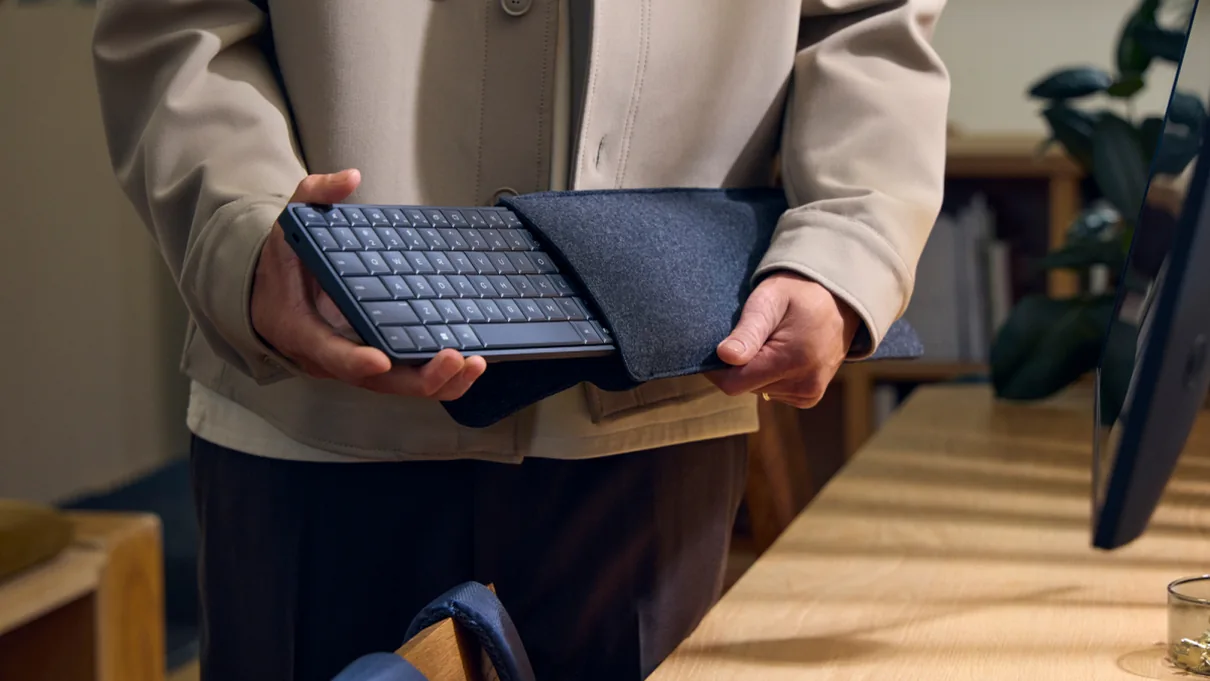

At CES 2026, HP unveiled the EliteBoard G1a, a device that, at first glance, appears to be a sleek, AI-infused keyboard designed for the modern business world. However, beneath its professional exterior lies a full Windows 11 PC powered by AMD’s latest Ryzen AI 300 series. This unique form factor, reminiscent of classic home computers, sparks a critical question for LoadSyn readers: Can this ‘Keyputer’ transcend its enterprise origins and carve out a niche for light gaming and robust retro emulation? Our comprehensive guide delves deep into the EliteBoard G1a’s architecture, performance, and community reception to uncover its true potential, providing the information gain you expect from the LoadSyn Technical Lab.
Key Takeaways
- The HP EliteBoard G1a is a compact, keyboard-integrated AI PC primarily targeting business and hybrid work environments.
- Powered by AMD Ryzen AI 300 series processors and Radeon 800M graphics, it meets Microsoft’s Copilot+ PC standards with over 50 TOPS NPU performance.
- Despite its business focus, its integrated graphics offer surprising potential for light gaming and robust retro emulation, drawing comparisons to the Steam Deck and Raspberry Pi 500.
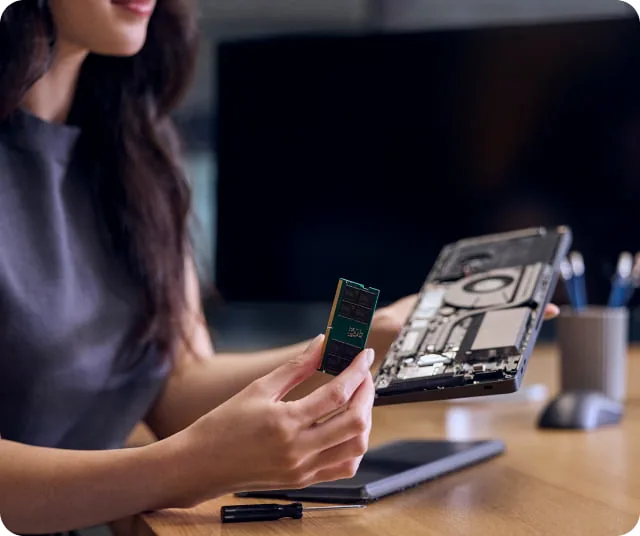
- Features user-upgradable DDR5 RAM and M.2 NVMe SSD, along with excellent serviceability, extending its lifecycle and appealing to enthusiasts.
- Community sentiment is a mix of skepticism regarding serious gaming, tempered by curiosity about its niche appeal and nostalgia for classic ‘keyboard computers’.
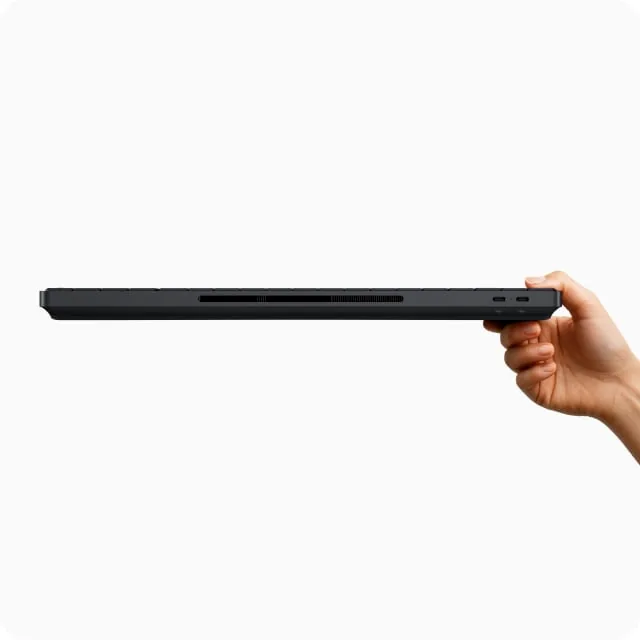
- Connectivity is modern (USB4, USB-C) but limited, and the battery is an optional extra, impacting true portability for some use cases.
1. The Keyboard PC Renaissance: A Blast from the Past, Powered by AI
The concept of a computer integrated directly into a keyboard is far from novel. From the iconic Commodore 64 and Apple II that cemented early home computing, to the more contemporary Raspberry Pi 400, this compact form factor boasts a rich, nostalgic history. HP’s EliteBoard G1a re-enters this arena, but with a crucial 21st-century upgrade: powerful AMD Ryzen AI processors and enterprise-grade features. This isn’t merely a nostalgic revival; it’s a profound reinterpretation designed for the hybrid work era. Yet, in its very design, it inadvertently taps into a deep vein of enthusiast desire for minimalist, all-in-one computing solutions that offer unexpected capabilities. The mere existence of this ‘Keyputer’ challenges traditional notions of desktop PCs, prompting us to reconsider what a truly functional computer needs to be in today’s landscape.
2. Under the Hood: AMD’s Ryzen AI Powering the EliteBoard G1a
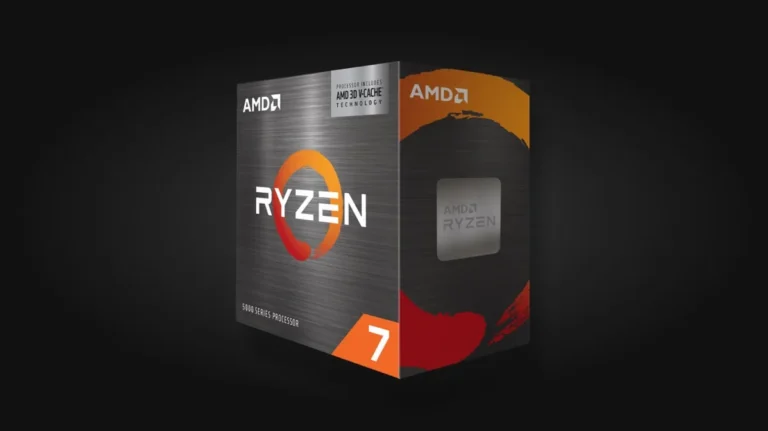
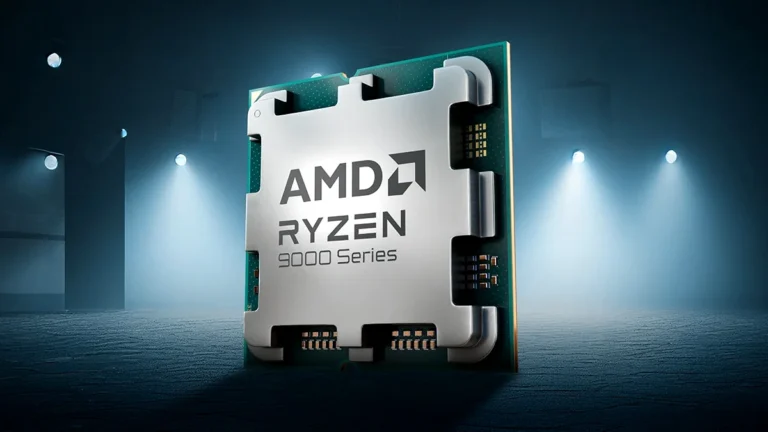
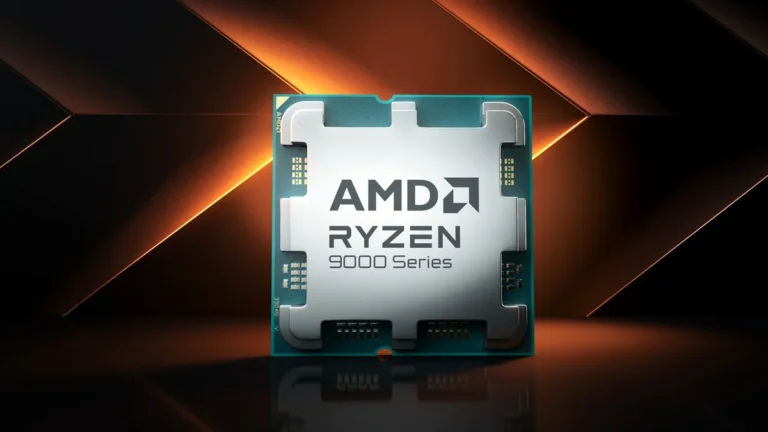
The beating heart of the HP EliteBoard G1a is its AMD Ryzen AI 300 Series processor, codenamed ‘Kracken Point.’ These advanced chips integrate a sophisticated mix of Zen 5 and Zen 5C CPU cores, meticulously engineered for both raw performance and power efficiency. Crucially for the modern computing landscape, they also house an integrated Neural Processing Unit (NPU) capable of delivering over 50 TOPS (Trillions of Operations Per Second). This formidable NPU power immediately classifies the EliteBoard as a Microsoft Copilot+ PC, unlocking a suite of local AI workloads such as real-time language translation, advanced noise cancellation for clear communication, and on-device image generation. For our gaming-focused analysis, the critical component is the integrated Radeon 800M series graphics, particularly the Radeon 860M found in higher-end configurations. While it doesn’t boast a discrete GPU, this RDNA 3-based iGPU is surprisingly capable for its class, pushing the boundaries of what integrated solutions can achieve within such a confined, keyboard-integrated space.
HP EliteBoard G1a Next Gen AI PC Key Specifications
| Processor | Up to AMD Ryzen AI 7 PRO 350 (8 cores/16 threads, up to 5GHz, 24MB cache, 50 TOPS NPU) |
|---|---|
| Graphics | Integrated AMD Radeon 800M Series (e.g., Radeon 860M) |
| RAM | Up to 64GB DDR5-5600 SODIMM (user-upgradable, 2 slots) |
| Storage | Up to 2TB PCIe 4.0 NVMe M.2 SSD (user-upgradable), optional 32GB eMMC for entry models |
| Connectivity | Wi-Fi 7, Bluetooth 6.0 (or Wi-Fi 6E, BT 5.3) |
| Ports | 1x USB4 Type-C (65W PD, DP 2.1), 1x USB 3.2 Gen 2 Type-C (65W PD, DP 1.4) |
| Battery | Optional 32Wh internal battery (up to 3.5 hours active use) |
| Dimensions | 357.95 x 118.5 x 12.5-17.5mm |
| Weight | Approx. 1.49 – 1.69 lbs (750g – 768g) |
3. Gaming and Emulation: Can This Business PC Play?
The question burning in every LoadSyn reader’s mind isn’t whether the EliteBoard G1a can flawlessly run Microsoft Office, but rather, can it run Crysis? While HP unequivocally positions this device for the enterprise, the integrated Radeon 860M graphics, a key component of the Ryzen AI 300 series, offers a tangible glimmer of hope for gamers. Early reports indicate its performance is ‘comparable to the Steam Deck for light gaming,’ a rather significant statement for a business-focused integrated GPU. This certainly doesn’t imply maxed-out AAA titles, but it decisively opens the door for a compelling light gaming experience, especially when augmented by AMD’s FSR technology. More excitingly for retro enthusiasts, this ‘Keyputer’ could prove to be an emulation powerhouse. Its compact form factor combined with modern processing power makes it an ideal candidate for reliving classic console and PC games, potentially offering a more streamlined and powerful alternative to the Raspberry Pi 500 for those seeking a dedicated, discreet emulation station.
Integrated Graphics Performance: EliteBoard G1a vs. Portable Gaming Icons
| Feature | HP EliteBoard G1a (Radeon 860M) | Steam Deck (Custom RDNA 2 iGPU) | Raspberry Pi 500 (Broadcom VideoCore VI) |
|---|---|---|---|
| Primary Use Case | Business AI PC, Hybrid Work | Handheld Gaming PC | Education, Hobbyist, Retro Emulation |
| GPU Architecture | AMD RDNA 3 | AMD RDNA 2 | Broadcom VideoCore VI |
| Gaming Potential | Light PC Gaming, Strong Emulation | Medium to High PC Gaming (Handheld) | Basic Emulation, Indie Games |
| AI NPU (TOPS) | Up to 50 TOPS | N/A | N/A |
| Operating System | Windows 11 Pro | SteamOS (Linux) | Raspberry Pi OS (Linux) |
4. The Modularity Advantage: Upgradeable, Serviceable, and Sustainable
In an era where many compact devices sacrifice upgradability for the sake of thinness, the HP EliteBoard G1a stands as a refreshing anomaly. HP has meticulously engineered this keyboard PC with a surprising degree of modularity, proudly declaring it ‘the world’s most serviceable Keyboard PC.’ Users gain direct access to standard DDR5 SODIMM memory slots, supporting up to a generous 64GB, and a readily accessible M.2 NVMe SSD slot for storage, expandable up to 2TB. This thoughtful design choice is a genuine game-changer, allowing for cost-effective upgrades and significantly extending the device’s lifecycle compared to the soldered-on components prevalent in many modern ultrabooks. Beyond raw performance, HP places a strong emphasis on sustainability, utilizing up to 75% recycled plastic and designing components for easy replacement by either IT departments or end-users.
5. Connectivity, Ergonomics, and Portability: The Everyday Experience
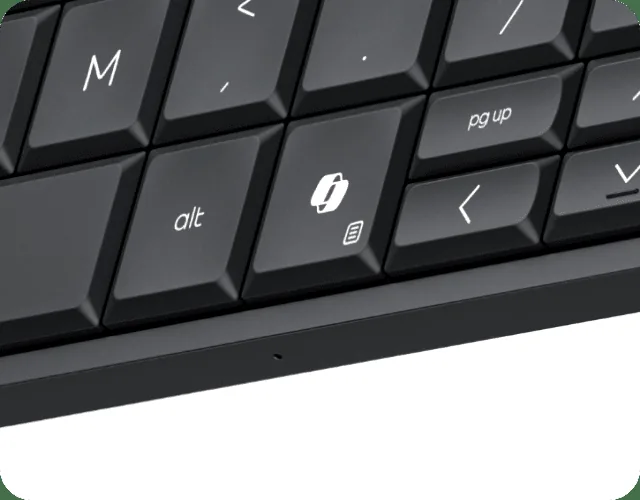
The EliteBoard G1a streamlines connectivity around modern standards, primarily relying on robust USB4 Type-C and versatile USB 3.2 Gen 2 ports. These connections are engineered to support power delivery, video output – enabling up to two daisy-chained 4K displays, or even four 4K monitors at 60Hz with the appropriate configuration – and high-speed data transfer. While undeniably efficient, this minimalist port selection may necessitate a USB-C hub for users with legacy peripherals. Ergonomically, the keyboard itself features a full numpad, crisp backlighting, and a lattice-free, spill-resistant design with a comfortable 2mm key travel, meticulously crafted for extended office use. The optional 32Wh internal battery, while offering approximately 3.5 hours of active use, is crucial to its ‘hot-desking’ appeal, allowing users to seamlessly transition between workspaces without the need for a full system reboot.
6. Community Pulse: Fandom’s Take on the ‘Keyputer’
The announcement of the HP EliteBoard G1a has undeniably stirred a mixed bag of emotions within the broader tech and gaming communities. There’s a palpable sense of nostalgia, an almost immediate recall of the ‘keyboard PC’ form factor from the days of iconic Commodore 64s and ZX Spectrums. However, this nostalgia is swiftly tempered by a pragmatic skepticism, particularly concerning its gaming prowess. The integrated Radeon 860M sparks curiosity, undoubtedly, but many legitimately question whether a device designed first and foremost for business can truly deliver a satisfying gaming experience beyond the most casual titles or dedicated retro emulation. Limitations in base RAM and storage configurations for anything beyond core business tasks are also a common point of discussion, though this is often balanced by an acceptance that these are inherent trade-offs for such a compact, business-focused design.
“I know it’s not for games but how would it do with games?”
— Gaming Community Forum
HP EliteBoard G1a: The Good, The Bad, and The Gaming Potential
Pros
- Innovative Form Factor: A unique keyboard-integrated PC, ideal for minimalist setups.
- AI-Powered Performance: AMD Ryzen AI 300 series with 50 TOPS NPU for local AI workloads.
- Surprising Gaming Potential: Radeon 860M iGPU capable of light gaming and strong emulation.
- User-Upgradable & Serviceable: DDR5 RAM and M.2 NVMe SSD are easily replaceable.
- High Display Flexibility: Supports up to two 4K daisy-chained displays.
Cons
- Limited Ports: Relies heavily on USB-C, requires dongles for legacy peripherals.
- Optional Battery: Base models lack an internal battery.
- Business-First Focus: Integrated graphics won’t replace a discrete GPU.
- Price Uncertainty: Pricing details remain unconfirmed.
Final Verdict
The HP EliteBoard G1a is far more than a mere novelty; it’s a meticulously engineered piece of hardware that cleverly marries a nostalgic form factor with cutting-edge AI processing. While unequivocally designed for the enterprise, its potent AMD Ryzen AI platform and surprisingly capable Radeon 860M iGPU open an intriguing, unofficial chapter for LoadSyn readers: a powerful, compact hub for light PC gaming and a standout contender for robust retro emulation. For the right user—the hybrid worker who appreciates a clean desk, the retro gamer seeking a powerful, discreet emulation box, or the tech minimalist craving a full Windows PC in a keyboard—the EliteBoard G1a stands as a compelling, cornerstone device for 2026.
Frequently Asked Questions: HP EliteBoard G1a
While its integrated Radeon 860M graphics can handle light PC gaming and excellent retro emulation, it is not designed for serious, demanding AAA gaming. It lacks a dedicated GPU and is primarily optimized for business applications and AI workloads.
Yes, a significant advantage of the EliteBoard G1a is its user-upgradable components. It features standard DDR5 SODIMM slots for RAM (up to 64GB) and an M.2 NVMe SSD slot for storage (up to 2TB).
The battery is an optional component. Base models require constant power, but a configurable 32Wh battery provides approximately 3.5 hours of active use.
While both share a keyboard form factor, the EliteBoard G1a is a full x86 Windows PC with significantly more powerful AMD Ryzen AI processing and RDNA 3 integrated graphics, offering superior performance for more demanding emulation.