
The 1440p Sweet Spot: AMD’s RX 9070 XT & Ryzen 7800X3D Define Upper-Midrange Gaming in 2026 (And Why Pre-Builts Are Back)
The quest for the perfect 1440p gaming PC has never been more exciting, yet more challenging. As AMD’s new Radeon RX 9000 series, spearheaded by the formidable RX 9070 XT, and the gaming-optimized Ryzen 7 7800X3D take center stage, builders are facing a dynamic market. Skyrocketing RAM and SSD prices, coupled with component availability fluctuations, are forcing a candid conversation: is the golden age of DIY over, or is it simply evolving? This guide dives deep into building a ~$1900 upper-midrange beast, exploring the AMD advantage, navigating market complexities, and even re-evaluating the role of pre-built systems. Our aim is to provide practical, repeatable results for a truly bulletproof gaming rig, even amidst today’s volatility.
Key Takeaways for Your 1440p Dream Build
- AMD’s Ryzen 7 7800X3D and Radeon RX 9070 XT offer an exceptional 1440p gaming experience for the upper-midrange budget.
- The RDNA 4 architecture in the RX 9070 XT brings significant AI and Raytracing enhancements, alongside FSR 4 for superior upscaling.
- Current RAM and SSD pricing makes component selection critical, pushing some builders to consider pre-built systems more seriously.
- Optimal cooling, robust power delivery, and smart case choices are vital for maximizing performance and longevity.
- Despite market volatility, a well-researched DIY build still offers superior value and customization, but pre-builts are a viable alternative for some.
The AMD Power Couple: Ryzen 7800X3D & Radeon RX 9070 XT
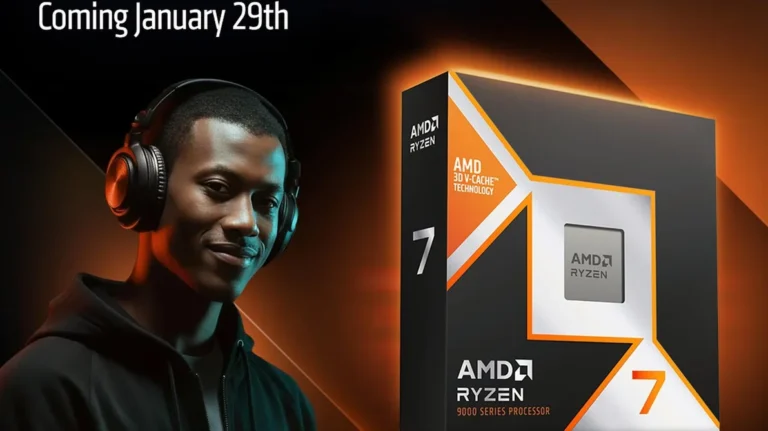
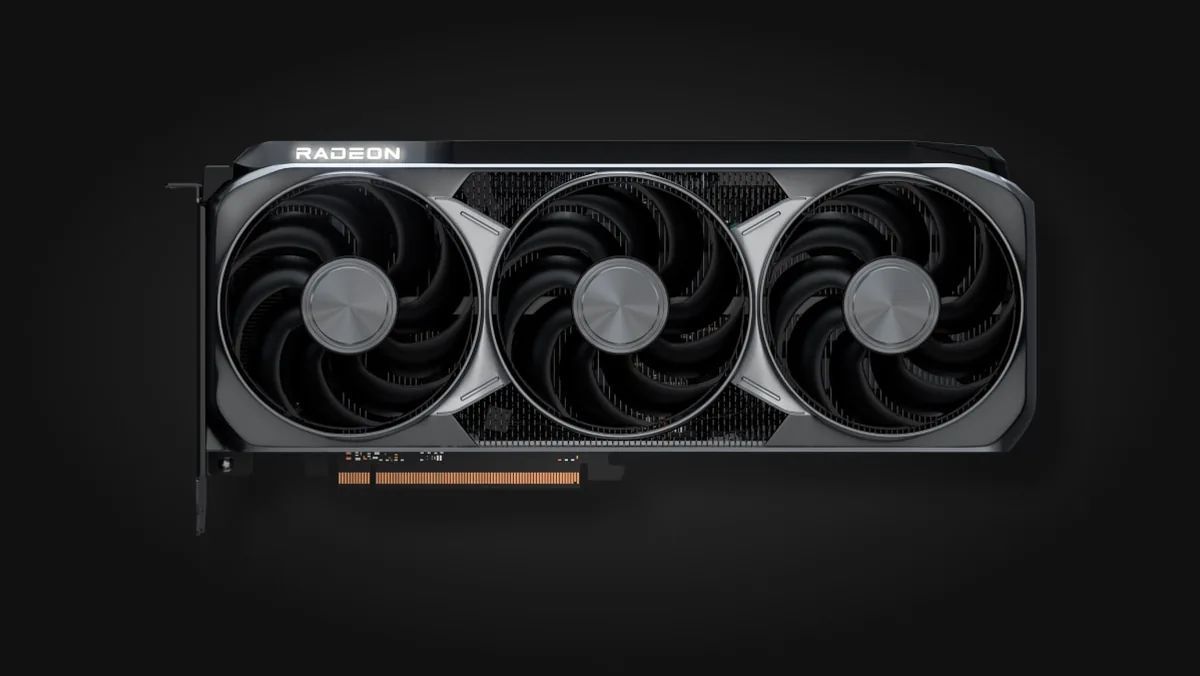
At the heart of our 1440p powerhouse lies a dynamic duo: the AMD Ryzen 7 7800X3D CPU and the Radeon RX 9070 XT GPU. This combination is specifically chosen for its exceptional gaming performance, especially at high resolutions, and its remarkable value proposition in today’s market. The 7800X3D, a successor to the highly praised 5800X3D, leverages AMD’s innovative 3D V-Cache technology, delivering an unparalleled L3 cache that translates directly into higher frame rates and smoother gameplay, particularly in CPU-intensive titles. Paired with the newly launched RX 9070 XT, based on the RDNA 4 architecture, this build promises to chew through modern AAA titles with ease, offering the kind of stable, optimized experience our readers demand.
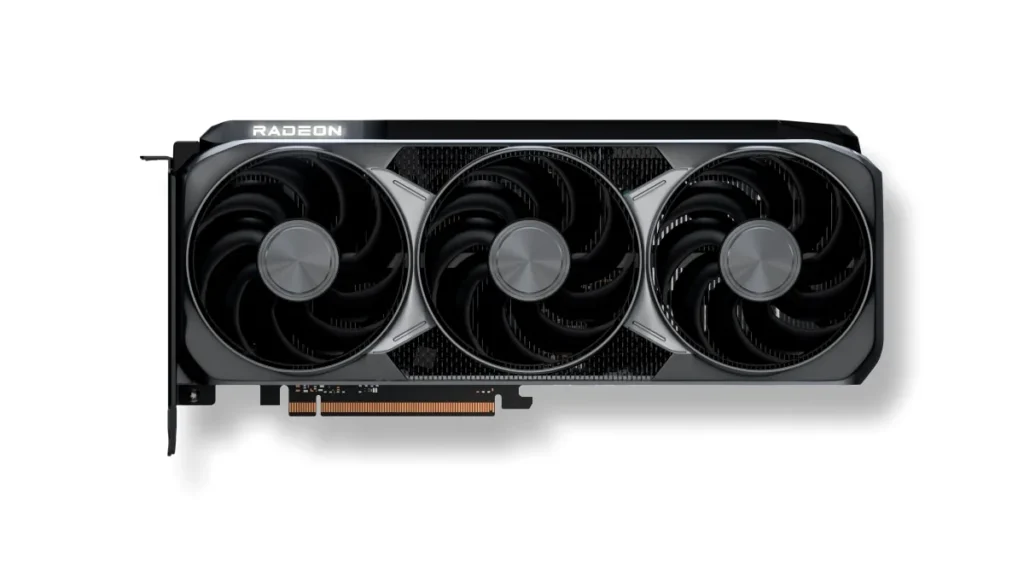
AMD Radeon RX 9070 XT Key Specifications
AMD Ryzen 7 7800X3D Key Specifications
“Today, we’re thrilled to unveil the AMD Radeon™ RX 9000 Series, a significant leap forward in graphics performance powered by our next-generation AMD RDNA™ 4 architecture… These GPUs are designed to meet the demands of today’s games, delivering enthusiast-class gaming experiences to gamers everywhere, while ready to support tomorrow’s innovations.”
David McAfee, CVP and GM, Ryzen CPU and Radeon Graphics AMD
The Radeon RX 9070 XT has been lauded for its performance gains, with AMD reporting over 40% more performance on average at 1440p compared to the previous generation RX 7900 GRE. This impressive leap is attributed to its 3rd generation Raytracing Accelerators and 2nd generation AI Accelerators, which significantly boost raytracing throughput and enable advanced ML-powered upscaling with FidelityFX Super Resolution 4 (FSR 4). FSR 4, an ML-powered algorithm trained on high-quality game data, promises substantial image quality improvements and performance boosts. For a truly future-ready GPU that handles both rasterization and demanding ray-traced workloads with aplomb, the 9070 XT stands out.
Navigating the Volatile Market: RAM, Storage & Motherboards
While the CPU and GPU are the stars, the supporting cast can make or break your build, especially with current market dynamics. DDR5 RAM prices have been volatile, and savvy builders know that selecting modules optimized for AMD’s EXPO profiles (ideally DDR5-5600 or DDR5-6000) is crucial for squeezing every frame out of the 7800X3D. Similarly, NVMe M.2 SSDs, while essential for fast loading, have seen price fluctuations. We recommend a 2TB PCIe 4.0 NVMe drive as the sweet spot for capacity and speed without breaking the bank, ensuring your system remains responsive and your game library ample.
Pro-Tip: Don’t Skimp on RAM Latency!
For your Ryzen 7 7800X3D, aim for DDR5-6000 CL30 or CL32 kits with AMD EXPO profiles. The 3D V-Cache benefits immensely from faster, lower-latency RAM, providing a tangible boost to 1% Lows and overall gaming fluidity. This is a critical low-level tuning point for maximum performance stability.
Core Component Recommendations:
- Motherboard: ASRock B850M Pro RS WiFi White – Offers solid VRM performance, AM5 compatibility, and essential connectivity for a balanced upper-midrange build.
- RAM: Crucial Pro OC DDR5-6000 CL30 (32GB) – Excellent performance with EXPO profile support, balancing speed and cost.
- Storage: Silicon Power 2TB UD90 NVMe M.2 SSD – Reliable PCIe 4.0 performance, ample storage for games, and good value.
Power, Airflow, and Aesthetics: The Supporting Cast
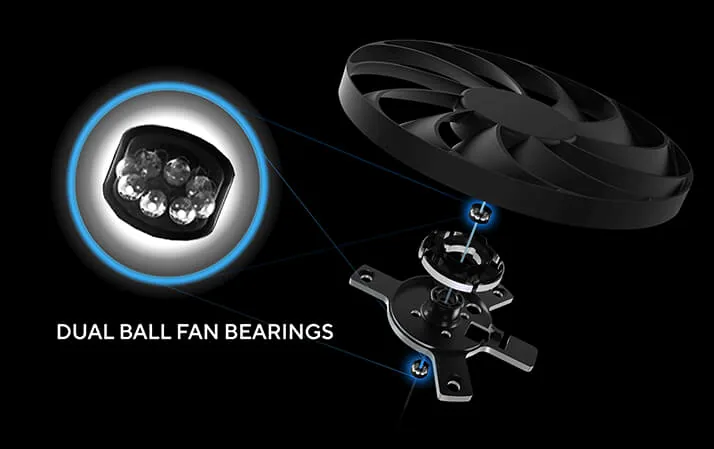
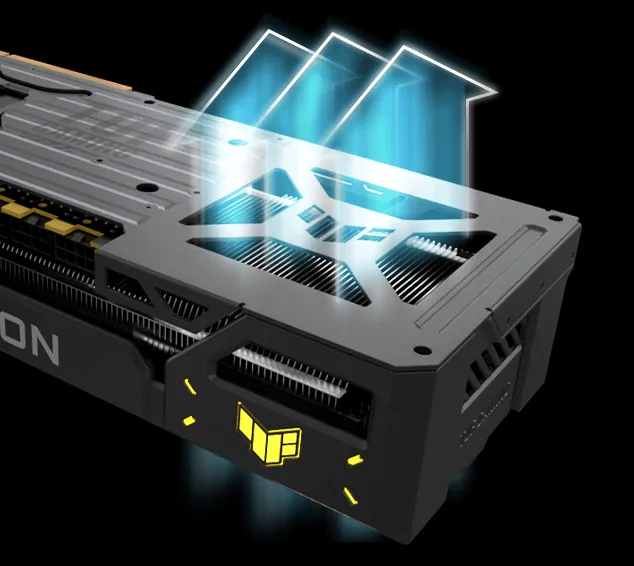
A powerful CPU and GPU demand adequate cooling and a stable power supply. For the Ryzen 7 7800X3D, an efficient air cooler like the SK700 AM5 is sufficient, offering excellent thermal performance without the complexity or cost of AIO liquid coolers. This ensures consistent performance and longevity, a cornerstone of any truly stable system. The case, such as the Fractal Meshify 3 RGB, is chosen for its superior airflow, build quality, and aesthetic appeal, ensuring your components run cool and look great. Finally, a robust Power Supply Unit (PSU) like the ASRock Steel Legend SL-850GW, meeting the RX 9070 XT’s 750W minimum recommendation, provides reliable power delivery and peace of mind. Skimping on the PSU can lead to instability and premature component failure, an outcome we rigorously avoid.
Recommended PSU Wattage for Radeon RX 9000 Series
| GPU Model | Minimum PSU Recommendation |
|---|---|
| AMD Radeon RX 9070 XT | 750W |
| AMD Radeon RX 9070 | 650W |
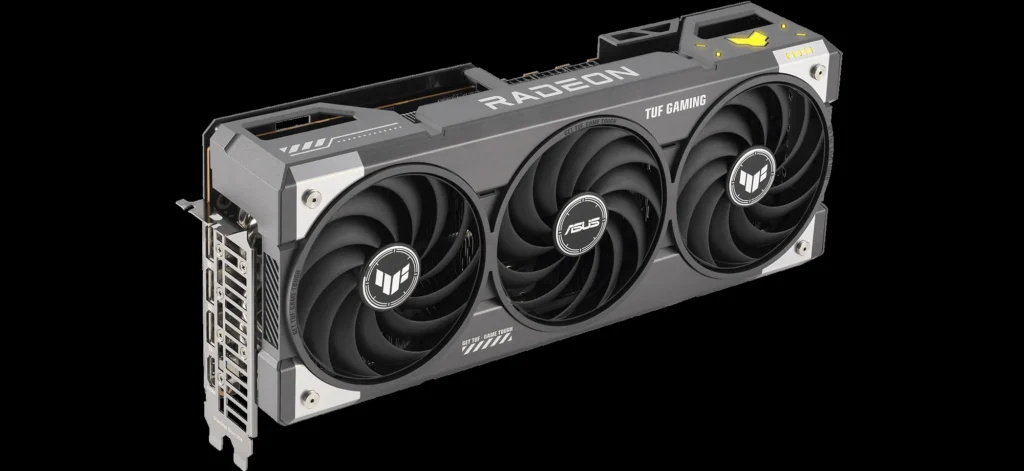
| ASUS TUF Gaming RX 9070 XT OC Edition | 750W |
Market Dynamics Analysis: Why Pre-Builts Are Gaining Traction
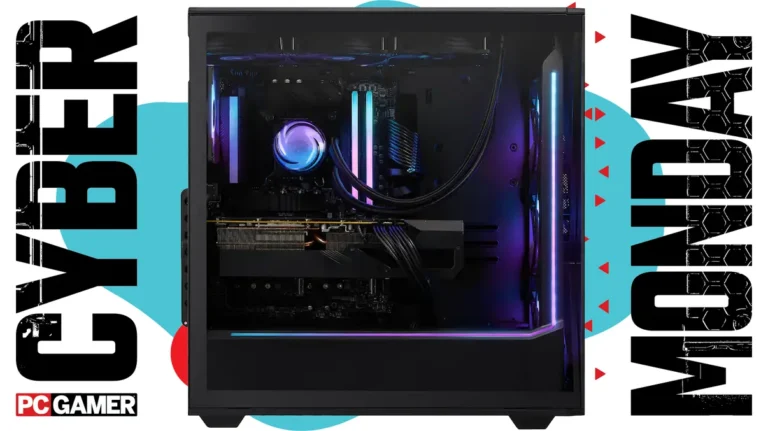
The enthusiasm for new hardware is often tempered by the reality of component pricing. The last few years have seen unprecedented volatility in the PC hardware market, particularly with memory (DDR5) and storage (NVMe SSDs). This unpredictability, coupled with occasional GPU shortages, has fundamentally shifted how many gamers approach their next upgrade. Where DIY was once the undisputed king of value, the current landscape has seen a resurgence in the viability of pre-built PCs, especially those from reputable System Integrators (SIs). This pragmatic shift reflects a community grappling with the desire for cutting-edge tech and the frustration of fluctuating costs.
“I’m stuck between the 5070ti and the 9070XT, do I just spend the money on the 5070ti or use the money I save getting a 9070XT and invest in other things, would love some advice I’m like a month shy of hitting my savings goal on getting my first PC!”
LoadSyn Community Member
DIY vs. Pre-Built: A Modern Dilemma
The traditional wisdom has always favored DIY for cost savings and customization. However, in a market where individual component prices, especially for RAM and SSDs, can fluctuate wildly and supply chains face occasional disruptions, pre-built systems sometimes offer surprising value. System Integrators (SIs) often secure components in bulk at prices unavailable to individual consumers, allowing them to offer competitive full-system pricing. The trade-off often lies in component quality (e.g., lower-tier PSUs or less optimized cooling) and upgradeability. As an expert in system stability, I stress that while convenience is appealing, understanding these compromises is crucial for long-term satisfaction.
DIY vs. Pre-Built in Today’s Market
Pros
- DIY: Maximum customization, better component choice, typically superior value (when prices are stable), learning experience, easier upgrades.
- Pre-Built: Convenience, often better immediate availability, warranty for the whole system, potentially competitive pricing due to bulk purchasing.
Cons
- DIY: Time-consuming research, potential for troubleshooting issues, current RAM/SSD price volatility can negate value, component warranty handled individually.
- Pre-Built: Limited customization, often cheaper components (PSU, motherboard, cooling), potential for bloatware, harder to upgrade, less control over specific part choices.
Completing Your Setup: Displays and Peripherals
A powerful PC is only as good as the display it’s connected to and the peripherals you interact with. For 1440p gaming, a high refresh rate (144Hz+) IPS panel monitor is recommended, such as the Acer Nitro XV272U, which offers excellent color accuracy and response times. For input, a reliable gaming mouse like the Razer DeathAdder V3 HyperSpeed and a comfortable mechanical keyboard are essential to complete your immersive gaming experience, ensuring precision and responsiveness in every action.
The 1440p Powerhouse: A Calculated Investment
Building an upper-midrange 1440p gaming PC in 2026 is a nuanced task. While market volatility for RAM and SSDs presents challenges, the raw power and value offered by AMD’s Ryzen 7 7800X3D and Radeon RX 9070 XT make them an irresistible combination. This meticulously chosen build delivers exceptional frame rates, advanced raytracing, and AI-upscaling capabilities, all within a ~$1900 budget that represents a smart investment for years of high-fidelity gaming. Whether you choose the satisfaction of a DIY build or the convenience of a carefully selected pre-built, this AMD-centric approach, prioritizing robust components and smart optimization, ensures you’re hitting the 1440p sweet spot with a truly bulletproof system.
Your Burning Questions Answered
For pure gaming performance, especially at 1440p and higher, the Ryzen 7 7800X3D remains exceptionally competitive due to its large 3D V-Cache, often outperforming even higher-core-count CPUs in games. Its efficiency is also a major plus, contributing to overall system stability and lower thermal output.
The RX 9070 XT, with its RDNA 4 architecture, offers strong performance at its price point, particularly excelling in rasterization. With FSR 4 and enhanced raytracing, it aims to compete directly with NVIDIA’s RTX 5070 series, offering compelling value. Performance benchmarks show significant gains over previous AMD generations, making it a strong contender for the upper-midrange market.
While RAM prices are always subject to change, the current market has seen some stabilization. If you’re building now, focusing on a good value DDR5-6000 CL30/CL32 kit with EXPO is a solid choice rather than indefinitely waiting for potentially marginal drops. Prioritizing optimal latency for your Ryzen 7800X3D is more critical than waiting for a small price dip.
Yes, 16GB of GDDR6 VRAM is ample for 1440p gaming, even with high textures and ray tracing enabled, and provides good future-proofing for upcoming titles. It’s also suitable for entry-level 4K gaming, ensuring that your investment remains relevant for years to come.