
SmartPower HDR: The Game-Changer for OLED Laptops
- Up to 22% Power Savings: SmartPower HDR dramatically reduces OLED power consumption in laptops, translating to 30-40 minutes of extra battery life.
- Dynamic Voltage Control: Unlike traditional HDR, SmartPower HDR adjusts panel voltage in real-time based on content, optimizing efficiency without sacrificing brightness.
- Intel Panther Lake Integration: Powered by Intel’s new Core Ultra Series 3 (Panther Lake) processors and its Xe3 iGPU, enabling precise, frame-by-frame power management.
- Addressing Windows HDR Issues: Aims to fix Windows’ historically poor HDR handling, paving the way for a practical ‘always-on HDR’ experience.
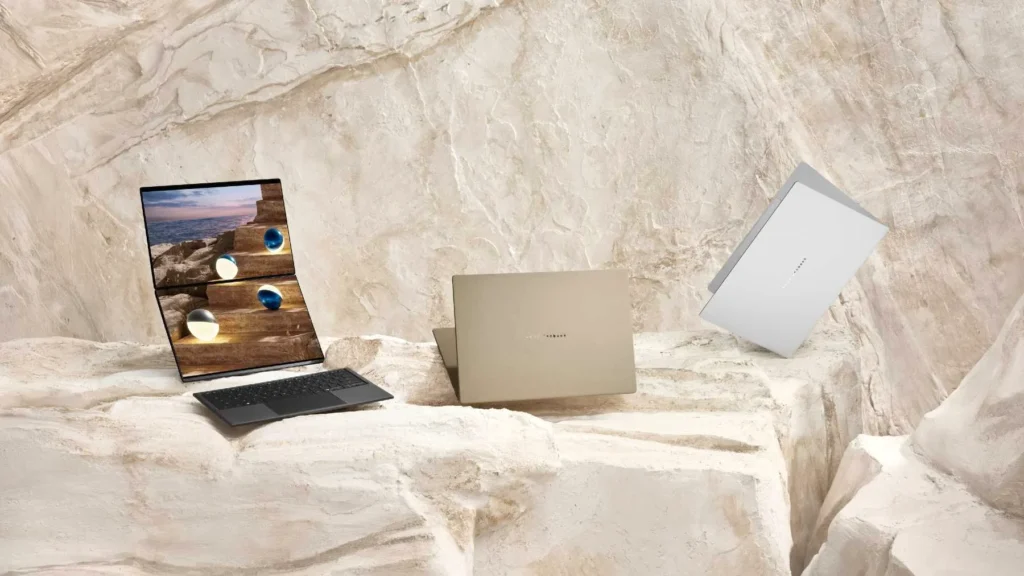
- Debuting Soon: Expected to appear in upcoming Core Ultra 3 Series laptops, including Samsung’s Galaxy Book6 lineup.
For years, the promise of stunning OLED displays on laptops has been tempered by a significant trade-off: battery life. While OLEDs deliver unparalleled contrast and vibrant colors, their power demands, especially when rendering High Dynamic Range (HDR) content, often left users tethered to power outlets. Compounding this, Windows’ own HDR implementation has been a source of frustration, making ‘always-on HDR’ an impractical dream for many gamers and power users. But a new collaboration between two industry titans, Samsung Display and Intel, is poised to change this narrative. Enter SmartPower HDR, a revolutionary technology designed to bring OLED’s visual brilliance and true HDR functionality into perfect harmony with all-day battery endurance, powered by Intel’s next-generation Panther Lake processors. This isn’t just an incremental update; it’s a fundamental rethinking of display efficiency for the AI PC era, directly addressing the core tension between performance and portability.
The OLED Paradox: Visual Brilliance vs. Battery Burn
OLED panels achieve their breathtaking visuals by individually lighting each pixel, delivering perfect blacks and infinite contrast. However, this emissive nature means that brighter scenes or content with high average picture levels (APL) can draw substantial power. Traditional HDR modes on laptops often exacerbate this by operating at a fixed, high voltage, anticipating peak brightness demands even when the on-screen content is predominantly dark or static. This ‘always-on high power’ approach leads to unnecessary battery drain, pushing users to switch back to SDR (Standard Dynamic Range) despite owning an HDR-capable display. Windows’ ecosystem hasn’t helped matters, with inconsistent color management and washed-out blacks in non-HDR applications making the ‘always-on HDR’ experience less than ideal. This created a dilemma: enjoy stunning visuals for a short period, or settle for lesser quality for longer battery life, a compromise no enthusiast should have to make.
SmartPower HDR™: The Intelligence Behind OLED Efficiency
Developed through a deep collaboration between Samsung Display and Intel, SmartPower HDR™ is a sophisticated technology designed to dynamically optimize power consumption on OLED laptop panels. Its fundamental innovation lies in breaking away from the fixed-voltage approach of conventional HDR. Instead, SmartPower HDR intelligently analyzes the characteristics of the displayed content in real-time. For instance, mundane tasks like web browsing or document editing, which feature lower average brightness, can operate at significantly reduced voltage levels. When high-definition content such as games or HDR video demands higher brightness peaks, the system intelligently ramps up the voltage only where and when needed. This precise, content-aware power management is key to unlocking significant battery life improvements, ensuring that the stunning visuals of OLED don’t come at the cost of mobility.
“SmartPower HDR™ delivers real-world benefits that consumers can feel beyond just specs. We will continue to advance SmartPower HDR™ while further developing a range of low-power OLED technologies, enabling more consumers to enjoy vivid, high-quality HDR content on laptops.”
— Brad Jung, Vice President and Head of the Large Display Sales and Marketing & Product Planning Team at Samsung Display

SmartPower HDR™ Key Specifications & Benefits
| Feature | Description | Impact |
|---|---|---|
| Power Savings (General Use) | Up to 22% reduction in OLED emissive power consumption in standard usage scenarios. | Translates to significant battery life extension (e.g., 30-40 minutes), crucial for mobile productivity and gaming sessions. |
| Power Savings (HDR Content) | Up to 17% reduction in OLED emissive power consumption during HDR content playback. | Enables longer enjoyment of high-fidelity media and immersive gaming without constant charging anxiety. |
| Dynamic Voltage Control | Adjusts panel driving voltage based on real-time content analysis (peak brightness, On Pixel Ratio). | Optimizes power for current content, eliminating wasted energy from fixed high voltage and improving thermal characteristics. |
| Integration | Implemented via the laptop’s SoC (Intel Core Ultra Series 3) and the panel’s Timing Controller (TCON). | Seamless, hardware-level optimization for superior efficiency and a more responsive system. |
| User Experience | Power consumption in HDR mode becomes comparable to SDR mode for general usage. | Facilitates ‘always-on HDR’ without significant battery anxiety, delivering consistent visual excellence. |
The Intel Advantage: Panther Lake and the Xe3 iGPU
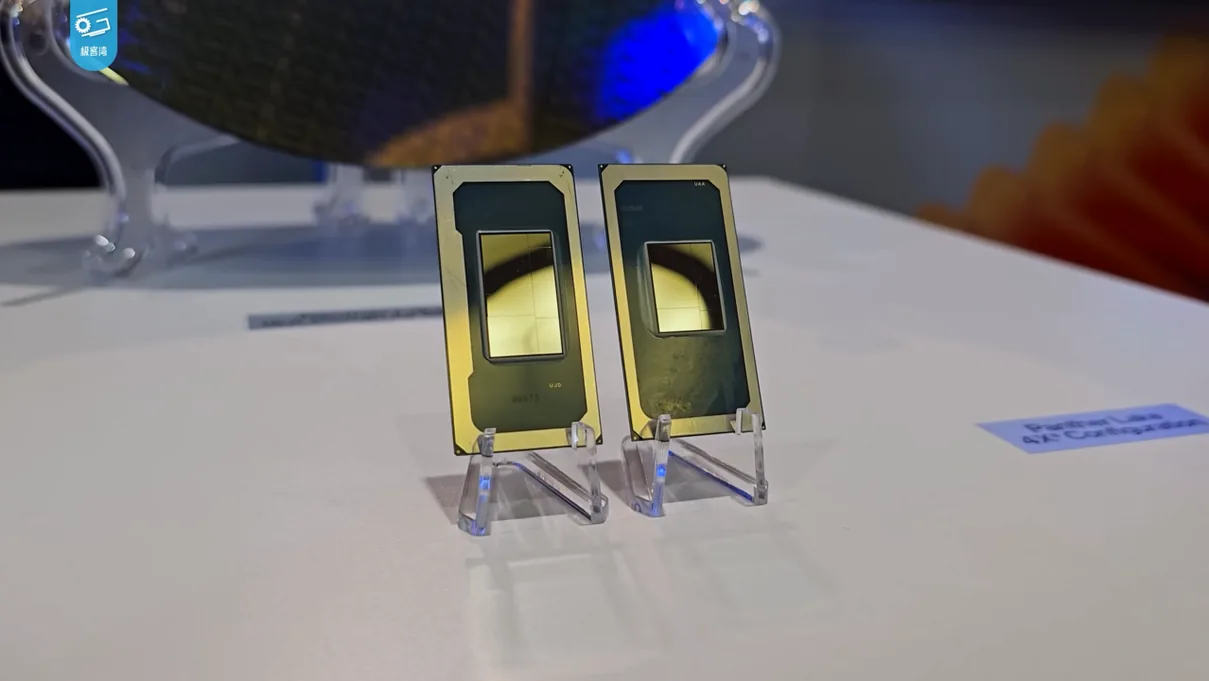
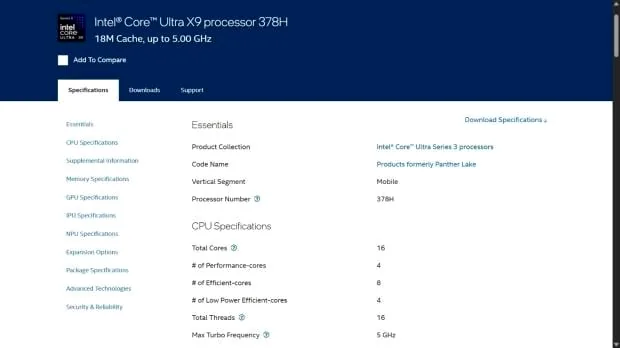
The true intelligence behind SmartPower HDR comes from its deep integration with Intel’s latest Core Ultra Series 3 processors, codenamed Panther Lake. Built on Intel’s cutting-edge 18A (Angstrom) process, Panther Lake features a refined hybrid core architecture (Cougar Cove P-cores and Darkmont E-cores) and, crucially for SmartPower HDR, a significantly upgraded integrated GPU: the Xe3 iGPU. This powerful iGPU isn’t just for gaming; it’s the real-time processing engine that analyzes the peak luminance of each frame. This data is then sent to the OLED panel’s Timing Controller (TCON), which, in conjunction with the On Pixel Ratio (OPR), calculates and applies the optimal driving voltage. This tight hardware-software co-design allows for granular, frame-by-frame power management that was previously impossible, making Panther Lake the indispensable brain of the SmartPower HDR system. This synergy ensures that every pixel’s power draw is precisely managed, translating directly into tangible gains for battery life and sustained performance.
Display Technologies: SmartPower HDR vs. Traditional HDR vs. Apple EDR
| Feature | SmartPower HDR (OLED) | Traditional HDR (OLED) | Apple EDR (Mini-LED) |
|---|---|---|---|
| Power Management | Dynamic voltage adjustment based on content (frame-by-frame), leveraging Intel SoC and Samsung TCON. | Fixed high voltage for entire panel, regardless of content, leading to inefficiencies. | Sophisticated local dimming zones, content-aware power for Mini-LED backlight, managed by Apple M-series SoC. |
| HDR Experience | ‘Always-on HDR’ with minimal power penalty; seamless SDR/HDR transition, enhancing visual consistency. | High power consumption, often forces users to revert to SDR, disrupting the visual experience. | Excellent ‘always-on HDR’ with great SDR/HDR handling; inherent Mini-LED advantages like precise backlight control. |
| Battery Life Impact | Up to 22% power savings, translating to 30-40 minutes extra battery, a critical boost for mobile users. | Significant battery drain; a major limitation for mobile use, reducing unplugged runtime. | Enhanced battery life due to efficient backlight control and M-series power optimization. |
| Underlying Tech | Intel Panther Lake SoC + Samsung Display TCON + dynamic voltage algorithms, a tight hardware-software co-design. | Basic HDR controller with a fixed power profile, lacking granular control. | Apple M-series SoC + Mini-LED backlight with thousands of dimming zones, vertically integrated optimization. |
| Primary Benefit | OLED visuals with Mini-LED-like power efficiency for HDR, removing a long-standing compromise. | Vibrant HDR but at a high cost to battery life, making it a niche feature. | Exceptional HDR with great power efficiency and deep contrast (for LCD tech), setting a high industry standard. |
The Real-World Impact: More Than Just Numbers
The implications of SmartPower HDR are profound, especially for gamers and creative professionals who demand both visual fidelity and mobility. The projected 30-40 minutes of extra battery life isn’t just a number; it’s the difference between finishing a critical work session on the go or needing to find an outlet mid-game. More importantly, this technology paves the way for a truly practical ‘always-on HDR’ experience in Windows. Gamers can finally enjoy the rich contrast and vibrant colors of HDR in their favorite titles without constantly toggling settings or worrying about their battery rapidly depleting. Media consumption, from streaming movies to editing photos, will also benefit immensely, offering a consistently superior visual experience that was once reserved for desktop setups or specialized devices. This marks a significant step towards closing the efficiency gap between Windows laptops and Apple’s celebrated M-series MacBooks, offering a compelling blend of power and endurance.
- Dramatic Battery Life Improvement: Up to 22% power savings for OLED panels, enabling longer unplugged use, directly addressing a major user pain point.
- True ‘Always-On HDR’ for Windows: Addresses a major pain point, allowing consistent HDR visuals without penalty, transforming the Windows display experience.
- Enhanced Visual Experience: Maximizes OLED’s potential for gaming and media with optimized power, delivering richer, more immersive content.
- Next-Gen Intel Platform: Leverages the power and AI capabilities of Panther Lake’s Xe3 iGPU, showcasing advanced hardware-software synergy.
- Seamless & Automatic: Dynamic voltage adjustments are managed automatically by the system, providing a worry-free user experience.
- Initial Availability: Limited to new Intel Core Ultra 3 Series (Panther Lake) laptops, like the Samsung Galaxy Book6 lineup, restricting immediate access.
- OEM Implementation Varies: Real-world performance may differ based on specific laptop manufacturer tuning and cooling solutions, leading to potential inconsistencies.
- Cost: Likely to be featured in premium devices, potentially keeping it out of reach for budget-conscious users, raising concerns about accessibility.
- Software Maturity: Requires robust software support (e.g., OpenVINO 2025) for full AI and efficiency benefits, implying a reliance on ongoing development.
The Fandom Pulse: Cautious Optimism and Lingering Questions
The gaming and tech enthusiast community is watching these developments with a mix of hope and skepticism. There’s undeniable anticipation for the new wave of ARM-based Windows laptops and innovations like SmartPower HDR, driven by a strong desire for improved battery life and performance. Gamers are particularly curious about the potential for Windows ARM handhelds and better graphics performance to truly challenge existing platforms, expressing enthusiasm for a future where Steam ARM is a reality. However, skepticism remains high regarding past compatibility issues with Windows on ARM and the perceived ‘immaturity’ of the ecosystem, with many citing previous false starts. Many express frustration with Windows’ bloatware and aggressive advertising, leading some to consider Linux or macOS for a cleaner experience, highlighting a desire for fundamental OS improvement. The concern about pricing is also prevalent, with many wondering if the advanced technology will push devices out of their budget, making comparisons to Apple’s M-series MacBooks inevitable, as users seek value alongside innovation.
While Intel and Samsung push innovation, a significant portion of the PC gaming community echoes sentiments like: ‘The compatibility issues for windows on arm are NOT GONE’ and ‘Windows is the problem, not the laptop.’ This highlights the critical need for software optimization and a refined Windows experience to truly capitalize on hardware advancements like SmartPower HDR, ensuring that the OS doesn’t become the bottleneck for groundbreaking tech.
The Competitive Landscape: A Battle for Efficiency
Intel and Samsung’s SmartPower HDR arrives in a fiercely competitive market. Qualcomm’s Snapdragon X2 Elite (and X2 Elite Extreme) is making significant strides in ARM-based Windows PCs, promising impressive multi-threaded performance and exceptional battery life, while Apple’s M5 chips continue to set high benchmarks for performance-per-watt. This intense competition is a net positive for consumers, driving innovation across the board. SmartPower HDR positions Intel and Samsung to offer a compelling alternative, marrying the established x86 ecosystem with groundbreaking display efficiency. The success of this technology will not only depend on its inherent technical prowess but also on consistent OEM implementation and robust software support, ensuring a uniform and superior user experience across different laptop models. This battle for efficiency ultimately benefits the end-user, promising a future of more capable and enduring mobile devices.
The collaboration between Intel’s Panther Lake and Samsung’s SmartPower HDR represents a pivotal moment for OLED laptops. By intelligently tackling the power consumption challenges of emissive displays and Windows HDR, this technology promises to deliver a genuinely ‘always-on HDR’ experience without compromising battery life. For the discerning gamer and professional, this means unparalleled visual fidelity, extended mobility, and a more seamless computing experience, finally removing the frustrating trade-offs of the past. While the success of this revolution hinges on robust software support and consistent OEM implementation across the diverse Windows ecosystem, the underlying technical innovation is undeniable. LoadSyn believes that SmartPower HDR, powered by Panther Lake, has the potential to redefine expectations for high-end laptops, making the trade-off between stunning visuals and all-day power a relic of the past. This convergence of hardware and display intelligence is precisely what the modern power user demands.