
🔑 Key Takeaways: The Storage Mandate
- The Nintendo Switch 2 requires MicroSD Express (PCIe/NVMe) cards for running games and DLC; standard MicroSD cards are insufficient.
- MicroSD Express cards offer speeds up to 8x faster than standard cards (up to 985 MB/s vs. 100 MB/s), justifying the performance mandate.
- The market is facing a severe scarcity of compatible cards, especially 512GB and 1TB capacities, driving prices up significantly.
- Top performers include Lexar Play Pro (up to 1TB) and SanDisk licensed options, but real-world transfer speeds show variance between brands (PNY, Samsung, SanDisk).
The Switch 2 Storage Mandate: Why Express is Non-Negotiable
The Nintendo Switch 2 features a significant internal storage upgrade, moving from the original Switch’s slow eMMC to modern UFS flash storage (similar to high-end smartphones). With 256GB internal capacity, the console’s architecture demands external memory expansion that can keep pace. Older, standard MicroSD cards (UHS-I) are capped around 100MB/s—a speed insufficient to run modern AAA titles, forcing Nintendo to mandate the use of the high-speed MicroSD Express standard for all game data and DLC. This is a critical technological shift: if it doesn’t say ‘Express,’ it won’t run your games.
CRITICAL INCOMPATIBILITY WARNING
Do not purchase high-capacity, non-Express cards (like the SanDisk Extreme 2TB) for the Switch 2. They will be rendered unusable for game data, resulting in a costly ‘brick’ that can only store media (screenshots/videos). Always look for the ‘EX’ logo or ‘MicroSD Express’ label.
Deconstructed: PCIe and NVMe — The Technology Behind MicroSD Express
MicroSD Express vs. Standard MicroSD (UHS-I)
| Feature | MicroSD Express (SD 7.1/8.0) | Standard MicroSD (UHS-I) |
|---|---|---|
| Interface | PCIe Gen 3 x1 | UHS Bus |
| Protocol | NVMe (Non-Volatile Memory Express) | Proprietary/Legacy |
| Max Theoretical Speed | 985 MB/s | 104 MB/s |
| Pin Configuration | Two rows (Backward compatible) | One row |
| Primary Use Case on Switch 2 | Running Games, DLC, and Media | Media Only (Screenshots/Videos) |
The secret to MicroSD Express’s speed is the adoption of the PCIe Gen 3 x1 interface and the NVMe protocol. This is the same high-speed technology used in modern PC SSDs. Unlike older cards that rely on slow, proprietary bus communication, NVMe allows the card to communicate directly with the host device’s CPU, drastically reducing latency and enabling sustained read speeds up to 900MB/s. This performance is crucial for streaming large game assets and minimizing load times for titles designed for the Switch 2’s faster internal UFS storage. Without this massive throughput, the console would experience severe asset pop-in and unacceptable load screens, which is why the legacy standard was completely abandoned for game execution.
The Current Market: Comparing Performance and Scarcity
Key MicroSD Express Cards for Nintendo Switch 2
| Manufacturer/Model | Max Capacity Available | Advertised Read Speed | Advertised Write Speed | Warranty (Endurance) | Launch Price Point (256GB) |
|---|---|---|---|---|---|
| PNY MicroSD Express | 256GB | 890 MB/s | 750 MB/s | Lifetime Limited | $55.99 |
| SanDisk Licensed (Nintendo OEM) | 512GB (Retail) / 256GB (OEM) | 880 MB/s | Undisclosed | 3-Year Warranty (OEM) | $60.00 – $72.00 |
| Lexar Play Pro | 1TB (Scarce) | 900 MB/s | 600 MB/s | Undisclosed | ~$172.63 (1TB Sale Price) |
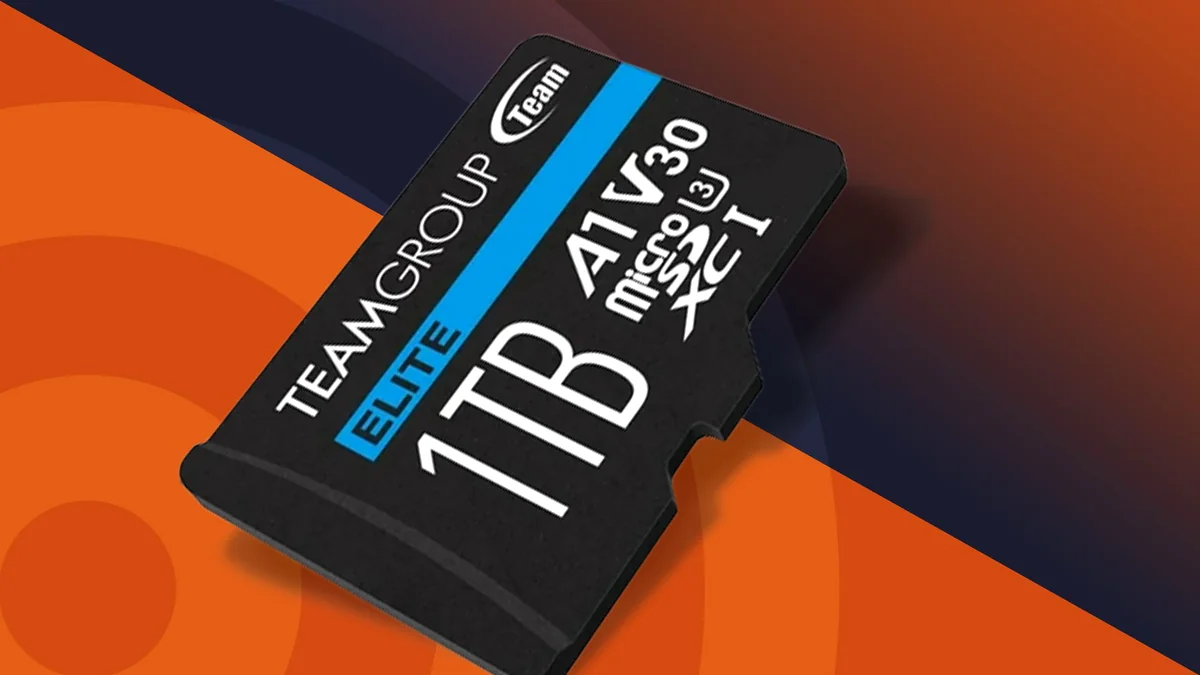
| TeamGroup APEX SD7.1 | 1TB | 800 MB/s | 700 MB/s | Limited Lifetime | N/A (Launch Price) |
Real-World Performance Variance: Rocket League Transfer Test
Hands-on testing revealed that advertised sequential speeds don’t always translate directly to real-world game transfer times. When moving the 20.3 GB Switch 2 version of Rocket League from the console’s internal UFS storage to the card, significant variance was observed, suggesting differing controller optimization or thermal management across brands.
- SanDisk:4 minutes, 12 seconds(Fastest)
- Nintendo-Samsung:5 minutes, 23 seconds
- PNY:6 minutes, 46 seconds(Slowest, despite high sequential write claims)
Endurance and Longevity: The TLC Factor
Most MicroSD Express cards, including those from Nextorage and others, utilize 3D TLC (Triple-Level Cell) NAND Flash. TLC offers a balance of high storage density and reasonable performance, but it has a defined lifespan based on Program/Erase (P/E) cycles. While cards like SanDisk’s Max Endurance series are designed for extreme longevity in surveillance, the high-throughput, high-write demands of modern gaming mean that wear leveling and thermal management (like SanDisk’s ThermAdapt™) are critical. Always prioritize cards with robust warranties (Lifetime Limited from PNY/TeamGroup) or those with proven thermal control to ensure longevity under heavy use, as the constant data streaming required by next-gen titles will rapidly consume P/E cycles.

Critical Buying Strategy: Finding Scarce High-Capacity Cards
Tips for Securing MicroSD Express Cards
- Capacity Reality Check: While 2TB is theoretically possible, 1TB cards (Lexar, TeamGroup) are extremely rare and expensive (often selling for £200+). Focus on securing a 256GB or 512GB model first.
- Check Official Retailers: Avoid secondary markets like eBay where 1TB cards are listed for exorbitant prices ($1000). Compatible 1TB cards have occasionally appeared at GameStop, Walmart (ONN brand), and Lexar’s direct site, but sell out instantly.
- Identify the ‘EX’ Logo: Ensure the card features the official ‘EX’ logo, which denotes the MicroSD Express standard. Do not trust generic high-speed claims without this certification.
- Scarcity is Driven by AI: Be aware that the broader memory shortage, driven by AI data centers buying up large-capacity NAND stock, is contributing to the high cost and scarcity of these specific gaming components.
MicroSD Express and Switch 2: Frequently Asked Questions
Can I use my old standard MicroSD card at all?
Yes, but only for storing media like screenshots and videos. They cannot be used to install or run games, DLC, or save files required by the Switch 2 due to insufficient transfer speeds.
Does MicroSD Express work on my Steam Deck or ROG Ally?
Yes. MicroSD Express cards are broadly backward compatible. They will operate at their full PCIe/NVMe speeds on devices like the Steam Deck and ROG Ally that support the standard, offering a major performance upgrade over standard cards.
How does data migration work from my original Switch?
The Switch 2 only transfers accounts, save data, and game licenses. It does NOT transfer the actual game data. The system attempts to download the game data fresh, meaning you will immediately need compatible external storage if your internal 256GB is insufficient.
Final Verdict: The Mandatory Upgrade
The MicroSD Express standard is not a luxury upgrade for the Nintendo Switch 2—it is a mandatory requirement for serious gamers. While the technology delivers a massive, necessary performance leap by adopting PCIe/NVMe, the current market is a minefield of high prices and extreme scarcity. Our final verdict is to prioritize purchasing a certified 256GB or 512GB card from a reputable brand (SanDisk, Lexar, PNY) immediately upon finding stock. Do not hold out for a 1TB model unless you are willing to pay a massive premium. The performance is essential, but the hunt requires patience and vigilance.