
Key Insights
- Hard drive prices have surged by an average of 46% due to unprecedented AI demand and reduced manufacturing capacity.
- Enterprise-grade HDDs and SSDs are prioritizing AI infrastructure, leading to scarcity and higher costs for consumers.
- Major manufacturers (Seagate, WD, Toshiba) are focusing on high-capacity drives (30TB+) with new technologies like HAMR and UltraSMR.
- Value-conscious consumers should explore options like recertified drives, price-per-terabyte monitoring, and strategic SSD/HDD tiering.
- The long-term outlook predicts continued high demand and capacity growth, making smart purchasing strategies essential for the foreseeable future.
The digital world is expanding at an unprecedented rate, and with it, our need for storage. But if you’ve tried to upgrade your gaming rig or NAS recently, you’ve likely hit a wall: hard drive prices are skyrocketing. What’s driving this sudden surge, and how can PC enthusiasts and data hoarders navigate this challenging landscape? Welcome to the Hard Drive Crisis of 2026, a perfect storm of artificial intelligence demand, shifting manufacturing priorities, and lingering supply chain ripples. This comprehensive guide will dissect the problem, explore manufacturer strategies, and arm you with the knowledge to find the best value in a market turned upside down. Prepare to master the economics of digital storage once more.
The Problem: Skyrocketing HDD Prices & Shrinking Options
Recent market analyses reveal a stark reality: hard drive prices have seen an average increase of 46% across various capacities. This isn’t just a minor fluctuation; it’s a significant financial hurdle for anyone looking to expand their digital library, store high-resolution game files, or build a robust home server. The days of sub-$10/TB consumer drives seem like a distant memory, replaced by a landscape of scarcity and elevated costs. Consumers are left struggling to find affordable large-capacity storage options, with many reporting ‘out of stock’ notifications and canceled orders even after purchase. The ripple effect is palpable, touching everyone from casual gamers to dedicated data enthusiasts, who are now desperately seeking ways to expand their digital footprint without breaking the bank.
- Average 46% Price Increase: High-capacity HDDs have seen substantial price surges, making upgrades costly and fueling widespread frustration among consumers.
- Reduced Production: Hard drive manufacturers, caught off guard by the sudden explosion in demand, cut production by as much as 20% during the pandemic due to falling orders, leaving them unprepared for the current surge.
- Supply Chain Challenges: Ongoing global inflationary pressures and persistent supply chain disruptions continue to impact manufacturing costs, directly contributing to higher retail prices.
- Longer Lead Times: Customers, particularly high-volume enterprise clients, are experiencing lead times exceeding 50 weeks for new orders, reflecting severe supply constraints that further limit consumer availability.
I caught the AI doom bug too late (sort of). Been meaning to upgrade my very very old PC and backup drives for a while. After all the doom and gloom I jumped on a decent pre-build and just bought 2x 8TB HDDs (one for backup). Amazon was low stock and they now show out of stock and have NOT shipped my order yet so I’m super worried they over-sold and will cancel my order after weeks of stalling, when drive prices are increasing day by day…..
The AI Paradox: How Machine Learning Fuels Storage Scarcity
At the heart of the current storage crisis lies the insatiable appetite of Artificial Intelligence. AI training, particularly for large language models (LLMs) and complex machine learning algorithms, requires astronomical volumes of data. OpenAI’s GPT-3, for instance, was trained on 45TB of data, a figure that newer models have likely surpassed. While flash-based SSDs are crucial for high-speed, low-latency AI inference, the sheer scale of ‘dark data’—unused but stored enterprise information—and AI training data means that cost-effective, high-capacity hard drives remain indispensable. This unprecedented demand from hyperscalers and data centers is shifting production focus away from consumer-grade drives to enterprise solutions, creating a bottleneck in the consumer market and driving up prices for everyone else.
The ‘Dark Data’ Goldmine
Enterprises are realizing the immense value of ‘dark data’—vast amounts of stored, unused information. AI and machine learning are transforming this inert data into actionable business intelligence. HDDs, with their superior cost-per-terabyte ratio, are the optimal storage medium for these petabyte-scale AI data lakes, ensuring their continued dominance in mass storage despite SSD advancements. Approximately 80% of installed worldwide data center storage capacity is still HDD, a testament to their enduring economic advantage for bulk data.
Industry Giants React: Seagate, Western Digital & Toshiba’s Strategies
The three major hard drive manufacturers—Seagate, Western Digital, and Toshiba—are adapting to this new demand landscape, primarily by accelerating the development and production of ultra-high-capacity drives for enterprise customers. Their strategies, while competitive, reflect a shared understanding of the AI-driven market shift, solidifying the focus on high-margin, high-capacity solutions.
Seagate: HAMR and the Push Beyond 30TB
Seagate has been at the forefront of introducing Heat-Assisted Magnetic Recording (HAMR) technology, a crucial innovation for increasing areal density. They’ve recently made 30TB and 28TB HAMR-based drives (IronWolf Pro and Exos M) available to end-users, priced around $600 and $570 respectively. Their roadmap is ambitious, targeting 40TB drives in less than two years and 50TB HAMR-based products by 2026, with a long-term vision for 100TB. Seagate’s CEO has confirmed ‘aggressively ramping’ HAMR-based drives, indicating a strong commitment to this technology to meet growing data center demands. However, this intense focus on the high-end enterprise market means fewer resources and less supply for traditional consumer drives, directly contributing to the current scarcity and price hikes that frustrate everyday users.

Western Digital: Pure-Play HDD Focus & UltraSMR
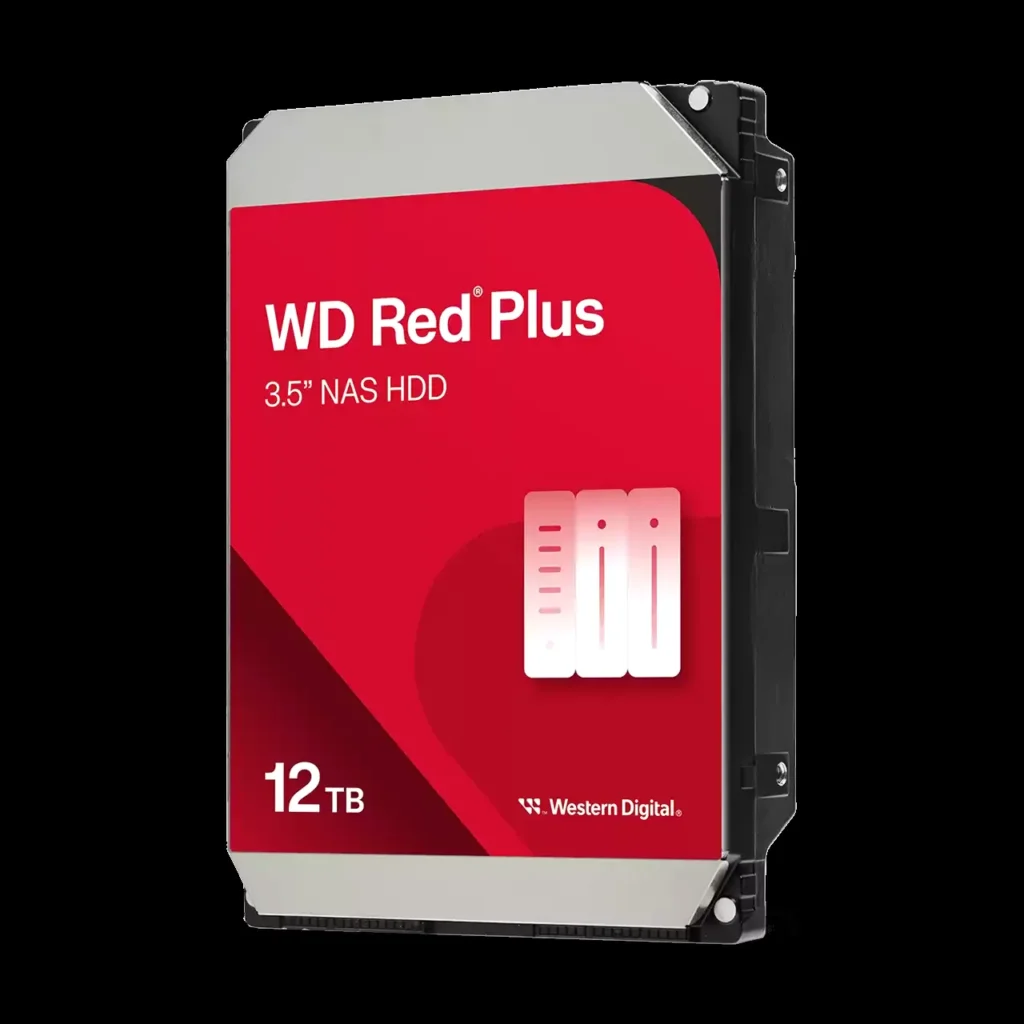
Western Digital has undergone a significant transformation, spinning off its flash memory business to become a pure-play hard disk drive company. This strategic shift allows them to intensely focus on high-capacity storage for the AI era. WD’s production capacity is reportedly sold out through 2028 under long-term agreements (LTAs) with major cloud providers, providing unprecedented revenue visibility. Their technology roadmap includes 40TB UltraSMR drives (using Shingled Magnetic Recording for increased density) already in volume shipment, with HAMR qualifications underway for 36-44TB drives. WD prioritizes ‘margin over market share,’ focusing on high-margin nearline drives. This strategy, while beneficial for their enterprise business, reinforces the scarcity of affordable consumer drives, leaving many longing for the days of readily available, cheaper storage.
Toshiba: Expanding Enterprise Capacity
Toshiba, the third major player, has also been steadily increasing its enterprise HDD capacities. They recently announced a 28TB Mx11 enterprise drive, leveraging Flux Control Microwave-Assisted Magnetic Recording (FC-MAMR) and SMR technologies. Toshiba’s roadmap aims for 40TB models by 2027 and an impressive 55TB by 2030. While their market share is smaller than Seagate and WD, their commitment to high-density drives contributes to the overall trend of enterprise prioritization. For consumers, this means fewer new high-capacity options entering the retail market and continued reliance on older, smaller drives or refurbished units, exacerbating the current anxieties about storage availability.
Navigating the Market: Your Survival Guide to Economical Storage Solutions
In this challenging market, simply buying new, high-capacity drives at retail might not be the most economical option for many. The era of easy, cheap storage is behind us, but that doesn’t mean you’re out of options. Smart strategies and careful consideration of alternatives are key to expanding your digital footprint without breaking the bank. Here’s how to navigate the current landscape and find optimal value:
- Consider Recertified or Refurbished Drives: Manufacturers like SanDisk (Western Digital’s former flash unit) offer ‘recertified’ products, rigorously tested and backed by a 1-year warranty, often at significant savings (up to 40%). While ‘refurbished’ from third-party sellers can be riskier due to varying quality standards, manufacturer-recertified units offer a legitimate, cost-effective alternative. Always check the warranty details and purchase from reputable sources. Interestingly, some users have reported receiving upgrades (e.g., a Seagate IronWolf Pro instead of a non-Pro) through RMA processes, indicating potential unexpected value in this market.
- Master the Price-Per-Terabyte (P/TB) Metric: In a volatile market, constantly calculate the cost-per-terabyte ($/TB) to identify true value. This metric provides a clear, quantitative basis for comparison. Tools like ‘diskprices.com’ can help you track real-time pricing across various retailers and spot genuine deals. Aim for prices significantly below the current average of ~$40+/TB for HDDs to ensure you’re getting a worthwhile investment.
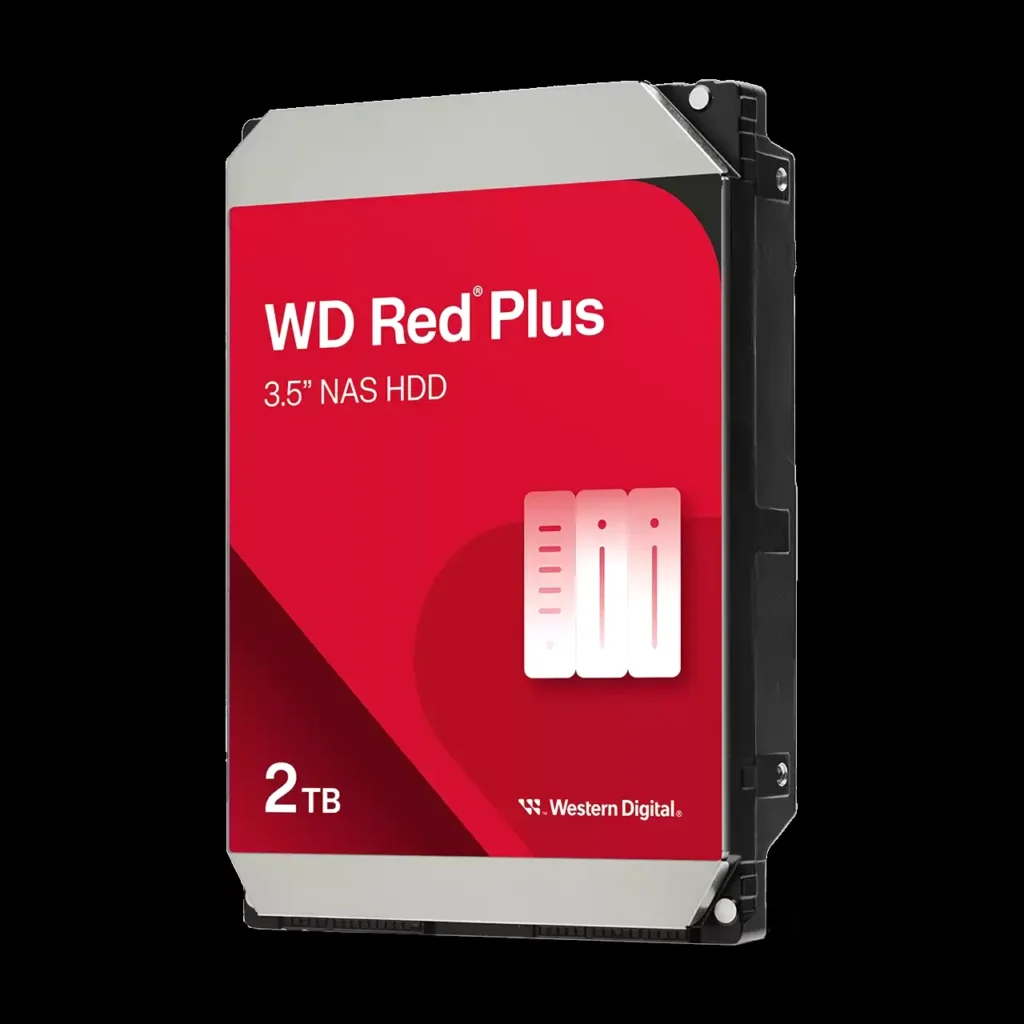
- Leverage NAS-Optimized Drives for Reliability & Longevity: For bulk storage in home servers or gaming archives, purpose-built NAS drives like Seagate IronWolf and Western Digital WD Red Plus offer enhanced reliability. Designed for 24/7 operation, they include features like vibration protection (Rotation Vibration sensors) and RAID error recovery, which are absent in standard desktop drives. While slightly more expensive upfront, their durability can offer better long-term value and peace of mind, reducing the worry of premature drive failure.
- Implement a Strategic SSD/HDD Tiering System: For optimal performance and cost-efficiency, use a tiered storage approach. Install your operating system, frequently played games, and critical applications on a high-speed NVMe SSD to benefit from rapid load times and responsiveness. Relegate larger game libraries, media files, and backups to more economical, high-capacity HDDs. This balances speed where it matters most with affordability for bulk storage, maximizing your budget.
- Explore Cloud Storage for Cold Archives: For truly cold data (infrequently accessed backups, old game footage, long-term media archives), cloud storage services can be a viable option. While not suitable for active gaming due to latency, they offer immense scalability and off-site redundancy, potentially reducing the need for massive local storage investments. Always factor in recurring subscription costs versus a one-time drive purchase to determine the true long-term cost.
- Look for Older, Still Reliable Models: Don’t dismiss slightly older generation drives. While not the absolute latest, many 10TB-16TB drives from previous years still offer excellent performance and reliability (as seen in Backblaze’s extensive drive data, showing low failure rates for many models over several years). These might be found at more competitive prices as stock clears or through reputable refurbished options, offering a nostalgic nod to better value.
Recertified / Refurbished Drives: A Double-Edged Sword
Pros
- Significant Cost Savings: Up to 40% cheaper than new drives, offering a budget-friendly path to high capacity.
- Manufacturer-Backed Quality: Reputable brands like SanDisk/WD rigorously test and certify these drives to meet original specifications.
- Warranty Coverage: Typically come with a manufacturer’s warranty, providing some peace of mind.
- Potential Upgrades: Some users report receiving a higher-spec model as a replacement during RMA.
Cons
- Skepticism & Trust Issues: The terms ‘recertified’ and ‘refurbished’ are often misused by unscrupulous sellers.
- Shorter Warranties: Warranties are generally shorter than new products, increasing long-term risk.
- Unknown History: Drives may have been previously used or repaired, raising concerns about lifespan.
- Potential for Deception: Third-party ‘refurbished’ drives might simply be wiped without factory recertification.
The Horizon: What to Expect from Storage in the Coming Years
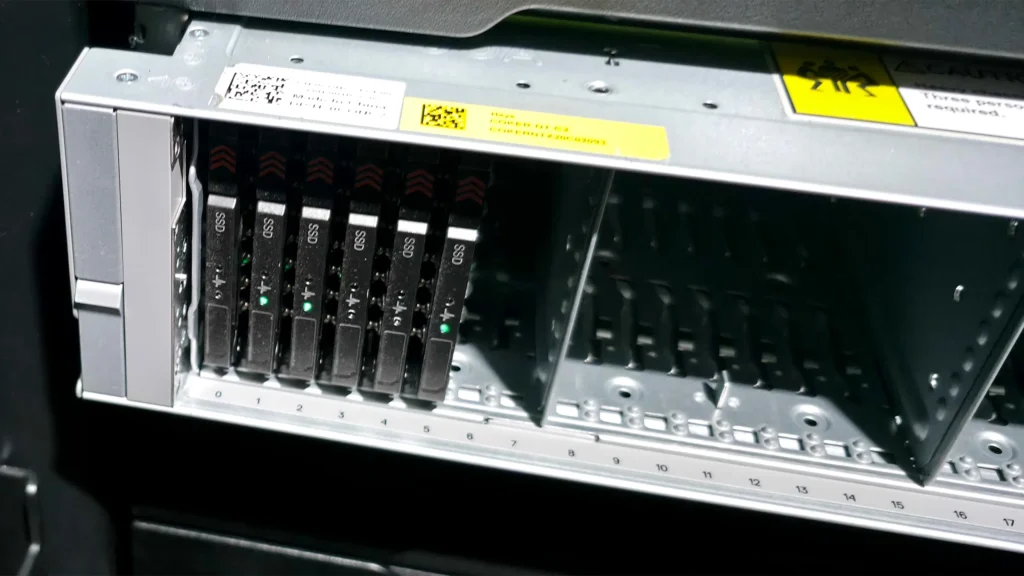
The current market turbulence is not a temporary blip but a reflection of deeper structural shifts. Analysts predict that the demand for high-capacity nearline HDDs will continue to surge, with total HDD capacity shipments projected to reach 7.3 ZB by 2029, a five-fold increase from 2024. This exponential growth is driven by the relentless expansion of cloud platforms, data centers, and, of course, the ever-increasing appetite of AI workloads. While SSDs will continue to dominate performance-critical applications and client devices, HDDs will maintain their crucial role as the most cost-effective medium for mass data storage. New technologies like advanced HAMR, bit-patterned media, and dual-actuator drives are expected to push capacities to 60TB by 2028 and even 100TB by 2029, ensuring HDDs remain the backbone of the zettabyte era and a vital component of any robust storage strategy.
Navigating the New Era of Storage
The Hard Drive Crisis of 2026, fueled by the explosive growth of AI, marks a significant turning point in the storage market. While consumers face higher prices and scarcity for new drives, it’s not a death knell for affordable storage. By understanding the underlying market dynamics, exploring options like manufacturer-recertified units, meticulously tracking price-per-terabyte, and strategically tiering storage solutions, savvy users can still find considerable value. The future of data storage is one of immense capacity growth, driven by both HDDs and SSDs, each playing their essential, complementary roles. Adaptability and informed decision-making will be your most valuable tools in this evolving landscape, allowing you to confidently navigate the economics of digital storage for years to come.
Frequently Asked Questions
Why are hard drive prices so high in 2026?
The primary drivers are unprecedented demand from AI and data centers for high-capacity storage, coupled with reduced HDD manufacturing capacity from previous years. Global inflationary pressures and supply chain challenges also contribute to increased costs, leading to an average 46% price hike across the market.
Is ‘recertified’ the same as ‘refurbished’ for hard drives?
Not necessarily. ‘Manufacturer recertified’ generally means the drive has been rigorously tested and certified by the original manufacturer to meet quality standards, often with a warranty (e.g., 1 year from SanDisk). ‘Refurbished’ from third-party sellers can be less reliable, potentially only involving basic checks or repairs, so exercise caution and always verify the seller’s reputation and warranty.
Will hard drive prices ever return to normal?
While temporary shortages are expected to subside, a return to the extremely low price-per-terabyte seen before the AI boom is unlikely in the near future. Manufacturers are prioritizing high-margin enterprise drives, and demand is structurally elevated. Expect prices to remain higher than historical lows, though minor fluctuations and occasional deals will occur.
Should I still buy HDDs, or switch entirely to SSDs?
HDDs remain the most cost-effective solution for mass storage, offering significantly lower price-per-terabyte than SSDs. For large game libraries, media, and backups, HDDs are still ideal. SSDs are best for operating systems, frequently accessed applications, and competitive games where speed is paramount. A tiered approach using both technologies is often the most balanced and economical solution.
What is HAMR technology?
HAMR (Heat-Assisted Magnetic Recording) is a cutting-edge technology that uses a tiny laser to momentarily heat a small spot on a hard drive platter. This allows data bits to be packed more densely, enabling significantly higher storage capacities (e.g., 30TB and beyond) than what conventional magnetic recording methods can achieve, pushing the boundaries of HDD storage.